
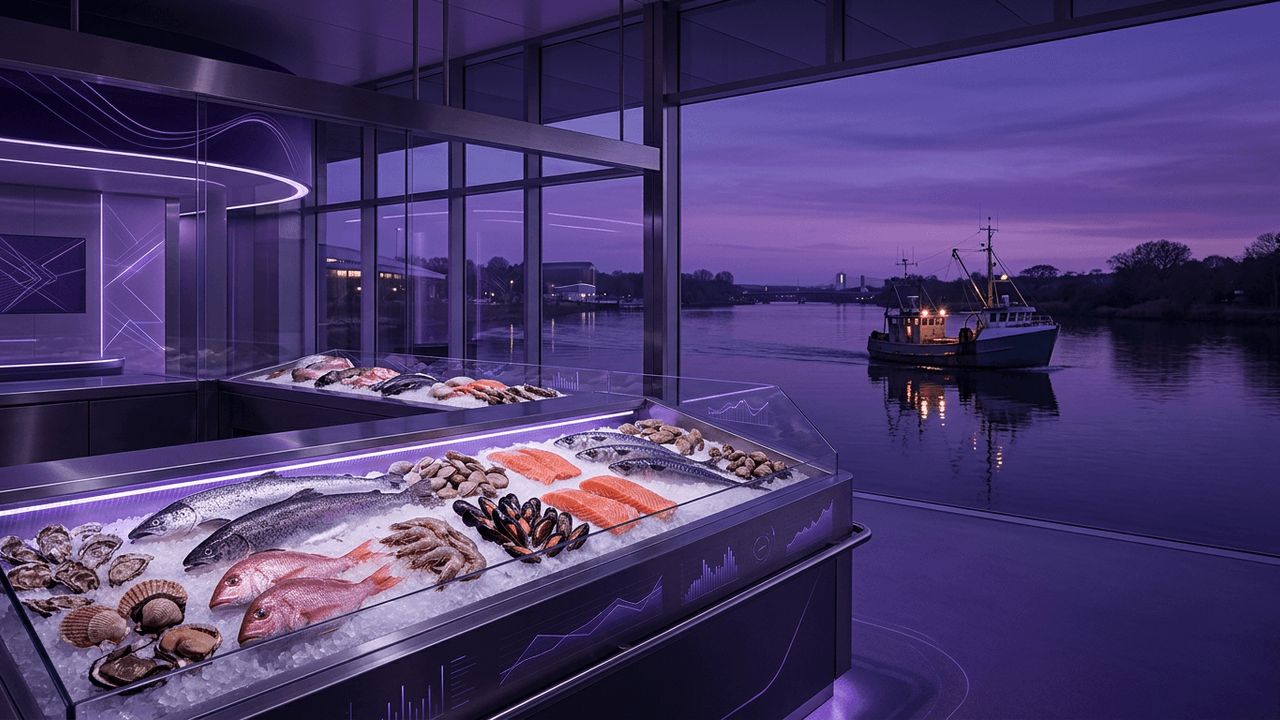
Edison and New Jersey's Seafood Heritage
Edison sits along the Raritan River, just a short distance from Raritan Bay and the Atlantic coast. New Jersey's commercial fishing industry ranks among the most important on the East Coast, landing scallops, clams, squid, flounder, tuna, and many other species. Restaurants along Route 1 and Oak Tree Road, seafood markets, and home cooks in Edison all benefit from access to this rich supply of fresh seafood.
Fishery companies include commercial fishing operations, seafood processors, aquaculture farms, wholesale markets, and research institutions that support sustainable fisheries. This guide highlights ten fishery companies and organizations that help bring high-quality seafood to Edison while supporting the health of regional waters.
1. Lund's Fisheries
Lund's Fisheries, based in Cape May, is one of the largest commercial fishing companies on the East Coast. It is known for squid, mackerel, herring, and scallops, and has been a leader in sustainable fishing practices and responsible fisheries management.
2. Atlantic Capes Fisheries
Atlantic Capes Fisheries operates in Cape May and is a major producer of sea scallops and surf clams. Its vertically integrated operations, from harvesting to processing, ensure quality and traceability for restaurants and retailers.
3. Viking Village
Viking Village in Barnegat Light is a historic commercial fishing dock on Long Beach Island. Its fleet lands scallops, tuna, swordfish, and other species, supplying fresh seafood to markets throughout New Jersey and beyond.
4. Belford Seafood Cooperative
The Belford Seafood Cooperative on Raritan Bay in Monmouth County is one of the closest commercial fishing operations to Edison. Its members harvest local fish and shellfish, maintaining a tradition of bay fishing that dates back generations.
5. The New Fulton Fish Market
Located in the Bronx, the New Fulton Fish Market is one of the largest wholesale seafood markets in the world. Edison restaurants and seafood retailers source a remarkable variety of fresh fish from its many wholesalers.
6. Samuels Seafood Company
Samuels Seafood, based in Philadelphia, is a respected seafood distributor serving restaurants, retailers, and institutions in the Mid-Atlantic. Its emphasis on freshness, sustainability, and processing expertise makes it a trusted supplier.
7. Cape May Salt Oyster Company
Cape May Salt Oyster Company grows oysters in the waters of Delaware Bay using sustainable aquaculture methods. Its oysters are prized by chefs for their clean, briny flavor and are served in restaurants across New Jersey.
8. Haskin Shellfish Research Laboratory
Operated by Rutgers University, the Haskin Shellfish Research Laboratory conducts research on oysters, clams, and shellfish diseases. Its work supports New Jersey's shellfish industry and helps develop disease-resistant oyster strains for aquaculture.
9. Hackettstown State Fish Hatchery
Managed by the New Jersey Division of Fish and Wildlife, the Hackettstown State Fish Hatchery raises warm water and cool water fish species for stocking lakes and rivers. Its work supports recreational fishing and healthy aquatic ecosystems across the state.
10. Garden State Seafood Association
The Garden State Seafood Association represents New Jersey's commercial fishing industry, including fishermen, processors, and dealers. It advocates for sustainable fisheries management and promotes the economic importance of the state's seafood sector.
Trends in the Fishery Industry
Sustainability is central to modern fisheries. Federal and state agencies manage fish stocks through catch limits, seasons, and habitat protection. Consumers increasingly ask about seafood origins, and restaurants in Edison often highlight local and sustainably harvested options.
Aquaculture is growing rapidly. Shellfish farming in New Jersey's bays produces oysters and clams while improving water quality, since shellfish filter water as they feed. Land-based fish farming technologies are also expanding, offering new sources of fresh seafood closer to consumers.
Traceability and technology are transforming seafood supply chains. Digital tracking systems allow buyers to know where and when seafood was harvested, improving food safety and reducing fraud. Cold chain innovations help seafood reach Edison markets fresher than ever.
Seafood and Edison's Diverse Cuisine
Edison's multicultural dining scene creates demand for a wide range of seafood. South Asian restaurants prepare fish curries and fried fish, Chinese and Korean restaurants serve whole fish and shellfish dishes, and Latin American restaurants feature ceviche and seafood stews. This diversity encourages suppliers to offer many species, from pomfret and tilapia to shrimp, crab, and scallops.
How to Choose a Seafood Supplier
Look for suppliers that provide clear information about species, origin, and harvest method. Evaluate freshness by checking appearance, smell, and texture, and ask about delivery frequency and cold chain practices. Consider sustainability certifications and local sourcing options. For restaurants, consistent supply and reliable communication are just as important as price.
Conclusion
Edison's connection to the Raritan River, Raritan Bay, and the Jersey Shore links it to one of the East Coast's most productive seafood regions. The ten fishery companies and organizations featured here support fresh, sustainable seafood from harvest to plate. By choosing responsible suppliers, Edison restaurants and residents can enjoy exceptional seafood while helping protect marine resources for future generations.