
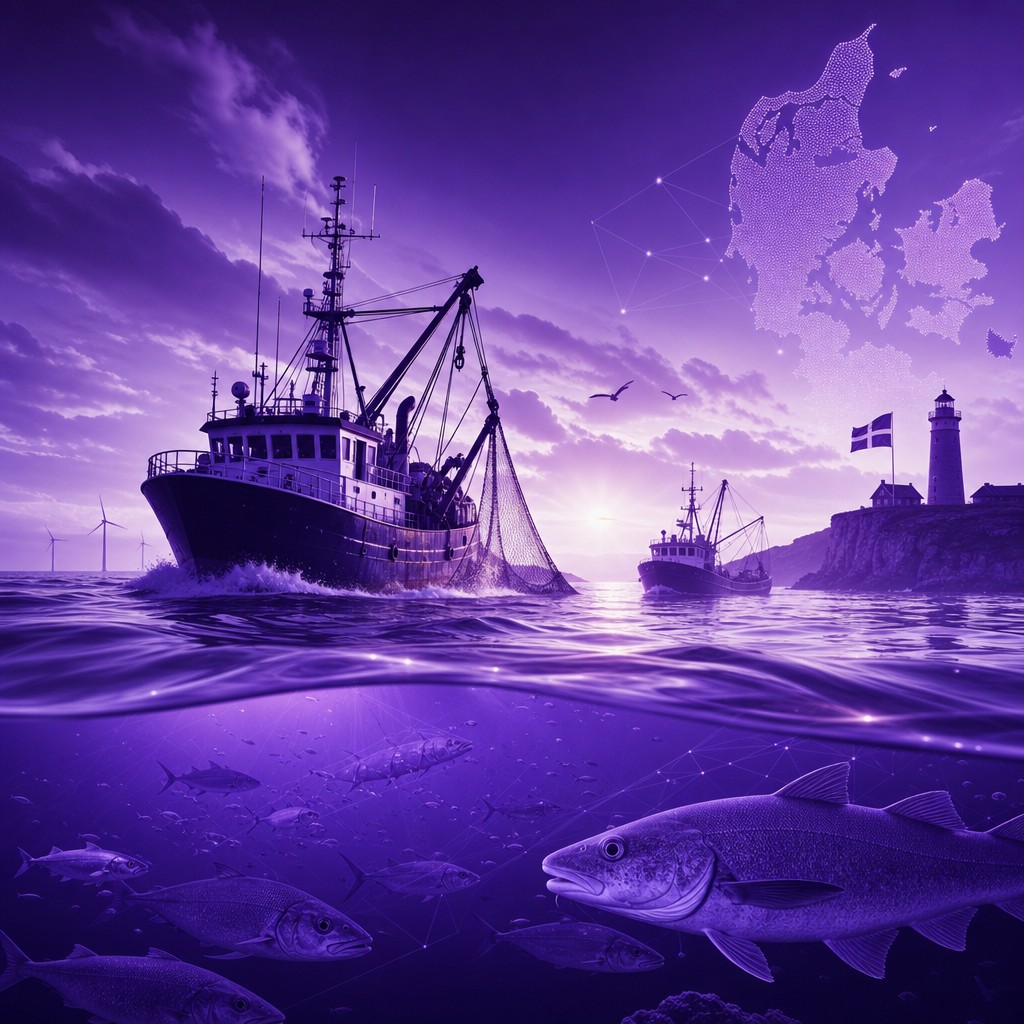
A Maritime Nation with Deep Fishing Roots
Denmark's relationship with the sea stretches back centuries, and fishing remains an important part of the country's economy and culture. With access to the North Sea, the Baltic, and the waters around its many islands, Denmark is among the largest fishing nations in the European Union. The country is particularly significant in both human-consumption seafood and the production of fishmeal and fish oil. Danish fishery companies are increasingly recognised for combining commercial success with a strong commitment to sustainable management of marine resources.
The fishery sector encompasses catching, aquaculture, processing, and export, supported by modern ports such as Skagen, Hanstholm, and Hirtshals. The companies profiled below are among the most influential names in Denmark's fishing and seafood industry.
What Defines a Leading Fishery Company
Several factors distinguish the best fishery companies. Sustainable sourcing and responsible quota management are essential, both for long-term resource health and for meeting the expectations of regulators and customers. Quality and food safety are paramount in seafood, where freshness and traceability directly affect value. Efficient processing and cold-chain logistics protect product quality from sea to market. Finally, strong export capabilities allow Danish seafood to reach international markets across Europe, Asia, and beyond.
Ten Notable Fishery Companies
1. Royal Greenland is a major seafood company with strong Danish ties, recognised globally for cold-water prawns, fish, and a focus on sustainable Arctic fisheries.
2. Espersen is a leading processor of whitefish products, supplying retailers and food-service customers across Europe with a reputation for quality and reliability.
3. TripleNine Group is a key producer of fishmeal and fish oil, playing an important role in Denmark's significant marine-ingredients industry.
4. FF Skagen is another major producer of fishmeal and fish oil, known for processing pelagic species and supporting aquaculture feed supply chains worldwide.
5. Vesterhavet and pelagic-fishing companies operate modern vessels harvesting herring, mackerel, and sprat, central to Denmark's pelagic fishing industry.
6. Hirtshals-based seafood processors handle landing, processing, and distribution at one of Denmark's key fishing ports, supporting strong export flows.
7. Aquaculture producers farm trout and other species in both freshwater and marine systems, contributing to the growing role of responsible fish farming.
8. Skagen-based fishing enterprises operate from Denmark's largest fishing port, combining traditional fishing expertise with modern, efficient operations.
9. Seafood export and trading companies connect Danish catches and processed products with international buyers, supporting the sector's strong export performance.
10. Sustainable seafood specialists round out the list, focusing on certified, traceable products and innovative practices that protect marine ecosystems.
Trends Shaping the Fishery Sector
The Danish fishery industry is being shaped by sustainability, technology, and shifting demand. Responsible quota management and certification schemes are increasingly central to maintaining healthy fish stocks and market access. Aquaculture is expanding as a complement to wild capture, with growing investment in land-based and recirculating systems that reduce environmental impact. Technology, including improved vessel efficiency and digital traceability, is enhancing both sustainability and product quality. Demand for marine ingredients used in aquaculture feed and nutrition also continues to grow.
The Role of Sustainability
Sustainability has become the defining challenge and opportunity for Danish fisheries. Careful management of quotas, reduction of bycatch, and investment in selective fishing gear help protect marine ecosystems for future generations. Certification and traceability give customers confidence in the origin and responsibility of their seafood. By embracing these practices, leading Danish fishery companies are positioning themselves for long-term success in markets that increasingly reward environmental stewardship.
Conclusion
Denmark's fishery companies blend a proud maritime heritage with modern efficiency and a serious commitment to sustainability. The companies featured here illustrate the breadth of the sector, from premium seafood and whitefish processing to marine ingredients and responsible aquaculture. As sustainable management becomes ever more important, Danish fisheries offer a strong example of how a vital industry can adapt to protect both its markets and the marine environment on which it depends.