
Fisheries and Aquaculture in the Brazos Valley
College Station might be inland, but fisheries and aquaculture play a meaningful role in the region. Thousands of private ponds and stock tanks dot the Brazos Valley, and landowners invest in fish stocking and pond management for recreation and conservation. Lakes and rivers in the area attract anglers year-round. Restaurants and grocers rely on seafood distributors to bring fresh Gulf seafood inland.
Texas A&M University is also a leader in aquaculture and marine research, contributing to sustainable fisheries practices across Texas and beyond. Together, these factors create a unique fishery ecosystem centered around College Station.
Why Fisheries Matter Locally
Recreational fishing supports outdoor tourism and local businesses. Pond management enhances property values and wildlife habitat. Aquaculture research supports food security and economic development. Seafood distribution ensures that diners in College Station can enjoy fresh, high-quality fish and shellfish.
The Top 10 Fishery Companies and Organizations Serving College Station
1. Texas A&M AgriLife Aquaculture Programs
Texas A&M AgriLife conducts aquaculture research and extension programs that help fish farmers improve production, water quality, and disease management. Its expertise benefits commercial and recreational fisheries statewide.
2. Texas Sea Grant
Based at Texas A&M, Texas Sea Grant supports research, education, and outreach related to coastal and marine resources. Its work helps fishermen, seafood businesses, and coastal communities thrive.
3. Texas Parks and Wildlife Department Inland Fisheries
Texas Parks and Wildlife manages public fisheries, operates fish hatcheries, and conducts stocking programs in lakes and reservoirs. Its efforts support recreational fishing opportunities throughout the Brazos Valley.
4. Danbury Fish Farms
Danbury Fish Farms in Texas supplies fingerlings and fish for pond stocking, including bass, catfish, and bluegill. Landowners across Central Texas rely on Danbury for healthy fish and stocking advice.
5. Overton Fisheries
Overton Fisheries is a Texas fish hatchery offering pond stocking, fish delivery, and pond management guidance. Its quality fish and knowledgeable staff make it a popular choice for private pond owners.
6. Lochow Ranch Pond & Lake Management
Lochow Ranch provides fish stocking, aeration, aquatic vegetation control, and pond construction consulting. Its comprehensive services help landowners maintain healthy, productive ponds.
7. Pond King
Pond King offers pond construction, fish stocking, and management services, along with docks and aeration systems. Its full-service approach appeals to landowners creating recreational fishing ponds.
8. Texas Aquaculture Association
The Texas Aquaculture Association represents fish and shrimp farmers across the state. It advocates for the industry, shares research, and connects producers with markets and resources.
9. Louisiana Foods
Houston-based Louisiana Foods, part of Sysco, specializes in fresh Gulf seafood distribution. College Station restaurants rely on its quality fish, shrimp, and oysters for their menus.
10. Sysco Seafood
Sysco's seafood division supplies restaurants with responsibly sourced fish and shellfish. Its broad distribution network ensures consistent availability for food service businesses throughout the region.
Fishery Industry Trends
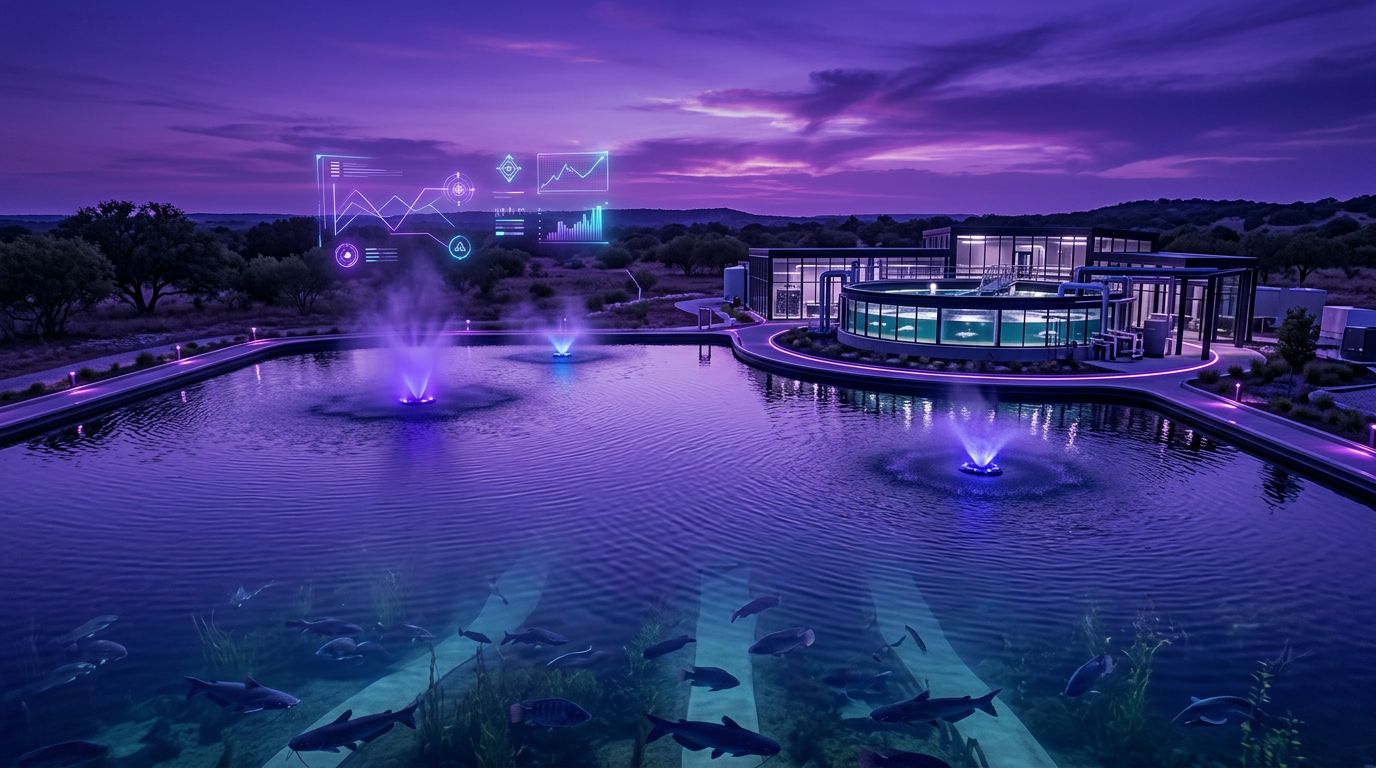
Sustainable aquaculture is growing as demand for seafood rises and wild stocks face pressure. Recirculating aquaculture systems allow fish to be raised inland with minimal water use. Pond owners are adopting aeration and water quality monitoring technology to improve fish health. Seafood traceability and responsible sourcing certifications are also increasingly important to consumers and restaurants.
How to Choose a Fishery Partner
Landowners should seek hatcheries with healthy, disease-free stock and expert management advice. Restaurants should evaluate seafood freshness, sourcing transparency, and delivery reliability. Aquaculture producers can benefit from research partnerships and industry associations that share knowledge and market opportunities.
Managing Private Ponds in Central Texas
Private ponds are a cherished feature of many Brazos Valley properties, providing recreation, livestock water, and wildlife habitat. A well-managed pond typically begins with a balanced stocking plan, often combining largemouth bass with forage species like bluegill and redear sunfish, and sometimes channel catfish. Water quality is critical during hot Texas summers, when warm temperatures reduce dissolved oxygen and increase the risk of fish kills. Aeration systems, proper depth, and controlled aquatic vegetation help keep ponds healthy. Regular harvest of fish according to a management plan maintains balanced populations. Professional pond managers and hatcheries can test water, recommend stocking rates, and design long-term plans tailored to each pond's size and goals.
Frequently Asked Questions
When is the best time to stock a pond in Texas? Forage fish are typically stocked in fall or early spring, with bass added later once the forage population is established.
Why do fish kills happen in summer? Hot weather lowers oxygen levels in the water, especially after cloudy days or algae die-offs, which can suffocate fish.
Can fish be farmed inland in Texas? Yes. Pond culture and recirculating systems allow catfish, tilapia, and other species to be raised far from the coast.
Final Thoughts
College Station's fishery sector combines research excellence, recreational opportunities, and seafood distribution. These ten organizations and companies support healthy waters, productive ponds, and delicious seafood across the Brazos Valley.