
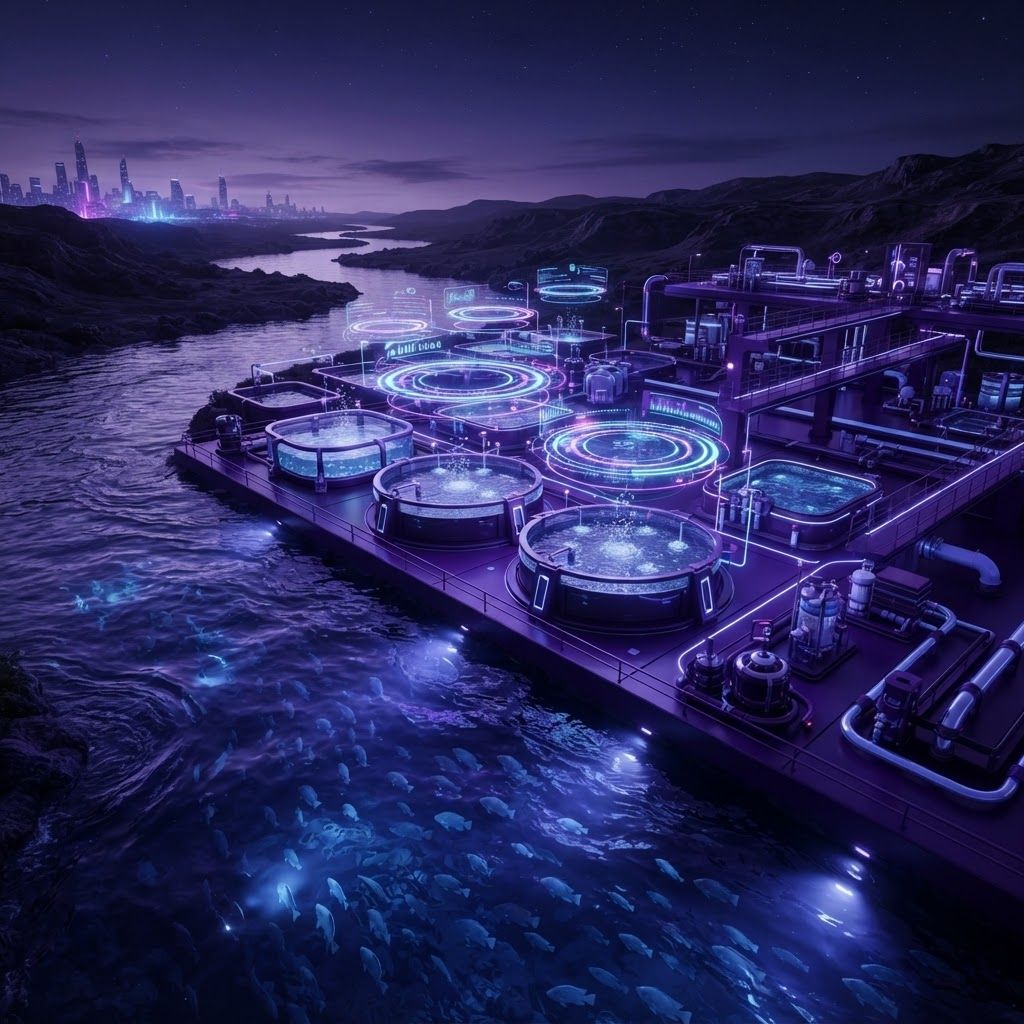
A River City With a Working Fishery Sector
Clarksville's identity is inseparable from its waterways. The Cumberland River curves through the heart of the city and joins the Red River just north of downtown, creating a corridor that has shaped commerce here for two centuries. While Tennessee is landlocked, the fishery sector in and around Clarksville is genuinely active, built around freshwater aquaculture, hatchery production, seafood distribution, and the processing and service businesses that connect them to restaurants and retailers.
The sector divides into three broad segments. Aquaculture producers raise catfish, tilapia, trout, and increasingly shrimp in controlled systems. Distribution companies bring both local and coastal product to regional restaurants and grocers. Hatchery and conservation operations support recreational fishing and river restoration, which in turn sustain a substantial outdoor recreation economy.
How to Evaluate a Fishery Supplier
Cold chain integrity is the single most important factor. Seafood quality degrades rapidly outside a narrow temperature band, and the difference between an excellent supplier and a mediocre one is usually measured in how rigorously temperature is controlled from harvest through delivery. Buyers should ask about monitoring practices and documented temperature logs.
Traceability is nearly as important. Species substitution and mislabeling remain persistent problems industry-wide. Suppliers who can identify the origin, harvest method, and handling history of a given lot protect their customers from both quality and reputational risk.
Sustainability credentials increasingly influence purchasing. Recirculating aquaculture systems, responsible feed sourcing, effluent management, and certified wild-capture supply chains matter to restaurant groups and retailers with published sourcing standards.
The Top 10 Fishery Companies Serving Clarksville
1. Cumberland River Aquaculture
A leading regional producer operating recirculating systems for catfish and tilapia. Cumberland River Aquaculture emphasizes water quality management and feed efficiency, and its controlled environment allows year-round harvest schedules that outdoor ponds cannot match.
2. Red River Fisheries Group
Combining production with processing, Red River Fisheries Group delivers filleted and portioned product to restaurants and institutional kitchens. Its processing capability lets chefs order to specification rather than buying whole fish and absorbing yield loss.
3. Montgomery Seafood Distribution
A distributor bringing coastal seafood into the Clarksville market alongside freshwater product. Montgomery Seafood Distribution runs refrigerated routes with tight delivery windows and is widely used by independent restaurants that need small, frequent deliveries.
4. Tennessee Valley Trout Farms
Operating spring-fed raceways suited to cold-water species, Tennessee Valley Trout Farms produces rainbow trout for both food markets and stocking programs. Consistent sizing and clean flavor profile are frequently noted by chefs who buy from the company.
5. Clarksville Hatchery & Stocking Services
Focused on fingerling production and pond stocking, Clarksville Hatchery & Stocking Services supplies landowners, fishing clubs, and conservation programs. The company also provides pond management consulting covering aeration, vegetation control, and species balance.
6. Northgate Shrimp Farms
An inland aquaculture operation raising freshwater prawns and marine shrimp in biofloc systems. Northgate Shrimp Farms represents one of the more technically demanding niches in the local sector and supplies a premium direct-to-consumer and restaurant market.
7. Riverside Bait & Tackle Supply
Supporting the recreational side of the industry, Riverside Bait & Tackle Supply produces and distributes live bait while supplying tackle to retailers. Its live-holding infrastructure and seasonal reliability make it a fixture for anglers across the region.
8. Heritage Fish Processing Co.
A contract processor providing filleting, portioning, freezing, and packaging services to producers who lack in-house capability. Heritage Fish Processing Co. operates under documented food safety protocols and supports both wholesale and private-label programs.
9. Sango Aquatic Feed & Supply
Supplying formulated feeds, aeration equipment, water testing kits, and system components to aquaculture operators. Sango Aquatic Feed & Supply also offers technical guidance on feed conversion optimization, which directly affects producer profitability.
10. Fort Defiance Conservation Fisheries
Working on native species restoration and river habitat improvement, Fort Defiance Conservation Fisheries partners with agencies and landowners on mussel and native fish recovery. Its work underpins the ecological health that the commercial and recreational sectors depend upon.
Trends Shaping Freshwater Aquaculture
Recirculating aquaculture systems have transformed what is possible inland. By filtering and reusing water, these systems dramatically reduce consumption and discharge while allowing precise control over temperature, oxygen, and stocking density. The capital cost is significant, but the predictability and year-round production make the economics increasingly attractive.
Local sourcing demand has also strengthened. Restaurants marketing regional menus want freshwater species harvested nearby, and consumers have grown more receptive to catfish, trout, and prawns prepared with contemporary technique. That cultural shift created margin opportunities for producers willing to invest in brand and relationship building.
Feed innovation is a quieter but consequential trend. Alternative protein sources are reducing reliance on wild-caught fishmeal, improving both cost structure and sustainability profile for producers who adopt them.
Choosing a Partner
Restaurants and retailers should visit facilities before committing. A short walkthrough reveals more about water clarity, handling discipline, and sanitation than any specification sheet. Ask about harvest scheduling, minimum orders, and how the supplier handles a quality complaint, because that last answer predicts the relationship's durability.
For landowners and recreational buyers, matching species to water conditions is the essential first step, and reputable hatcheries will advise honestly even when it means a smaller sale. In a sector this specialized, technical honesty is the most reliable signal of a company worth working with long term.