
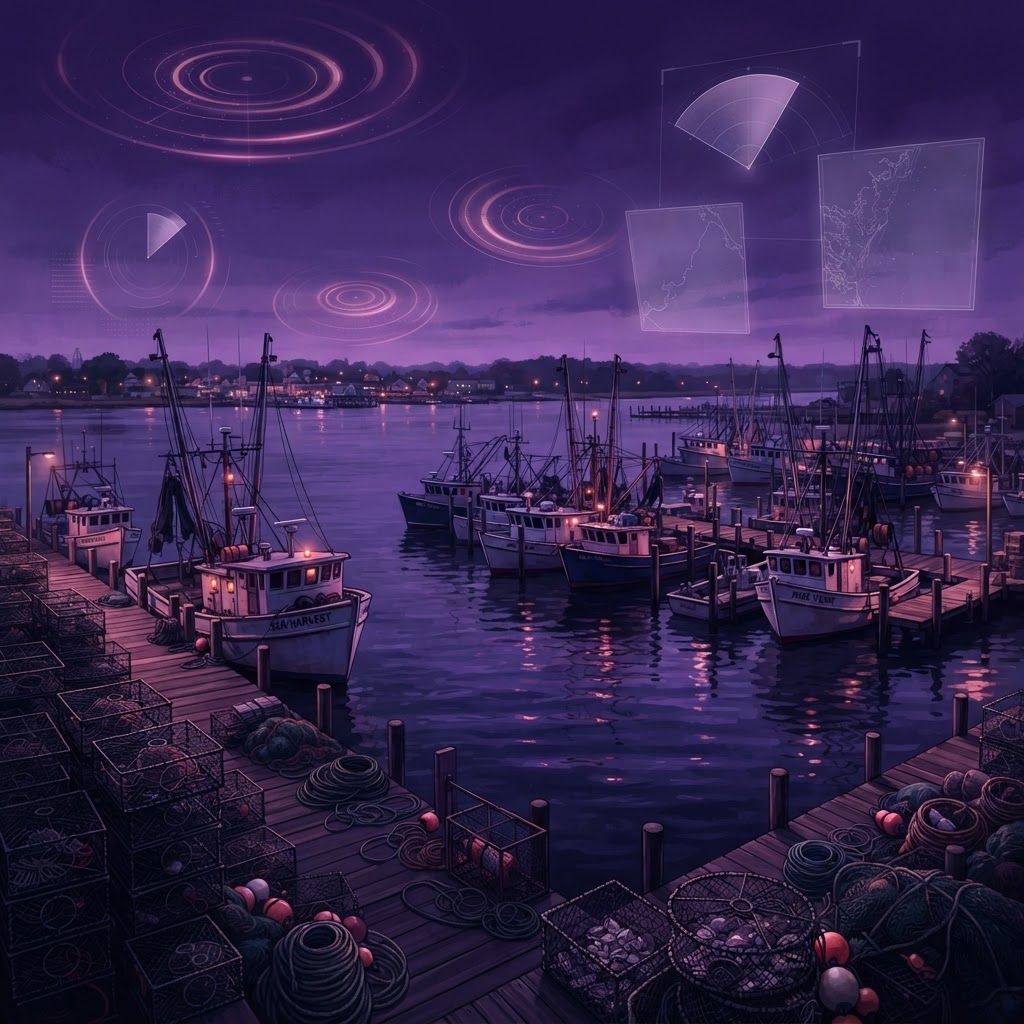
The Chesapeake Bay Seafood Industry
Few places in the United States are as closely identified with seafood as the Chesapeake Bay. Blue crab, oysters, striped bass, menhaden and clams have supported watermen, processors and distributors for generations, shaping the culture and cuisine of coastal Virginia. For the city of Chesapeake and the surrounding Hampton Roads region, the fishery sector remains economically meaningful and culturally central.
The industry today is more complex than the romantic image suggests. Wild harvests are governed by detailed regulation, seasonal closures and size limits. Aquaculture, particularly oyster farming, has grown into a major production channel. Processors must meet stringent food safety standards, and distributors compete on cold chain reliability as much as price. Companies that succeed pair traditional knowledge with modern operational discipline.
Ten Notable Fishery and Seafood Companies
1. Cowart Seafood Corporation
Cowart Seafood is a long-established Virginia oyster and crab company known for both wild harvest and aquaculture production. Its integration of growing, harvesting, shucking and distribution allows tight quality control, which is essential for premium half-shell markets.
2. Rappahannock Oyster Company
Rappahannock Oyster Company helped lead the modern revival of Virginia oyster aquaculture, building a recognizable brand around specific growing locations and flavor profiles. Its success demonstrated that farmed Chesapeake oysters could command national attention and premium pricing.
3. Bevans Oyster Company
Bevans is a heritage Virginia processor handling oysters and crab meat with substantial shucking and packing capacity. Companies of this scale provide critical infrastructure, giving independent harvesters a dependable outlet for their catch.
4. Omega Protein
Omega Protein operates one of the largest menhaden fisheries on the Atlantic coast, producing fish meal, fish oil and nutritional ingredients. Menhaden harvesting is both economically significant and ecologically debated, given the species' role as forage fish, and the company operates under closely watched quota management.
5. J.M. Clayton Seafood Company
As one of the oldest continuously operating crab processors in the Bay region, J.M. Clayton represents the traditional core of the industry. Hand-picked crab meat production remains labor intensive, and companies like this sustain skilled workforces and long-standing buyer relationships.
6. Chesapeake Bay Packing
Regional packing and processing firms supply crab meat, finfish and shellfish to wholesalers, retailers and restaurants. Their value lies in consistent grading, food safety compliance and the ability to aggregate supply from many small harvesters.
7. Ruark Boatworks and Working Waterfront Support Businesses
The fishery economy depends on a supporting network of boatbuilders, marine repair yards, gear suppliers and ice houses. Without these businesses, commercial harvesting on the Bay would not be viable, and their preservation is a genuine policy concern as waterfront property values rise.
8. Ballard Fish and Oyster Company
Ballard is a significant Virginia clam and oyster aquaculture producer. Hard clam farming on the Eastern Shore and adjacent waters has become a stable, high-volume industry with strong national distribution, less exposed to wild stock fluctuations than traditional fisheries.
9. Local Retail Seafood Markets
Independent seafood markets throughout Chesapeake and Hampton Roads connect the harvest to consumers, offering fresh catch, steamed crabs and prepared items. Their close relationships with watermen allow them to offer genuinely local product and to educate customers about seasonality.
10. Watermen Cooperatives and Independent Harvesters
Individual watermen and their cooperatives remain the foundation of the industry. Operating small vessels with crab pots, trotlines, dredges and nets, they hold detailed knowledge of local waters that no dataset fully replicates, and their participation in stock assessments and management discussions is essential.
Sustainability and Industry Trends
Oyster aquaculture is the most transformative development of the past two decades. Farmed oysters relieve pressure on wild reefs, filter water, provide habitat and deliver a consistent, traceable product. Restoration efforts to rebuild native reef structure complement this commercial growth.
Blue crab management remains a careful balancing act, with annual winter dredge surveys informing quotas and closures. Population swings driven by weather, habitat and predation require flexible business planning. Water quality across the watershed, influenced by agricultural and urban runoff, directly determines long-term productivity, which is why the fishery sector has a strong interest in upstream conservation.
Labor availability, particularly for crab picking, and climate-related pressures such as warming waters, shifting species distribution and sea level rise affecting working waterfronts are the other defining challenges. Traceability technology and direct-to-consumer shipping have opened new revenue channels for companies willing to invest in logistics.
Choosing a Seafood Supplier
Ask where and when the product was harvested, and whether it is wild or farmed. Reputable suppliers answer readily and can provide harvest tags for shellfish. Verify food safety credentials, cold chain handling and shellfish sanitation compliance. For restaurants, consistency of size grading and delivery reliability often matter as much as price, while for consumers, seasonality is the best guide to quality and value.
Final Thoughts
The fishery companies of the Chesapeake region blend centuries of tradition with genuine modern innovation. Aquaculture producers, heritage processors, working waterfront support businesses and independent watermen together sustain an industry that defines the area's identity. Supporting responsibly managed operations, respecting seasonal cycles and continuing to improve water quality are the surest ways to keep Chesapeake seafood on tables for generations to come.