
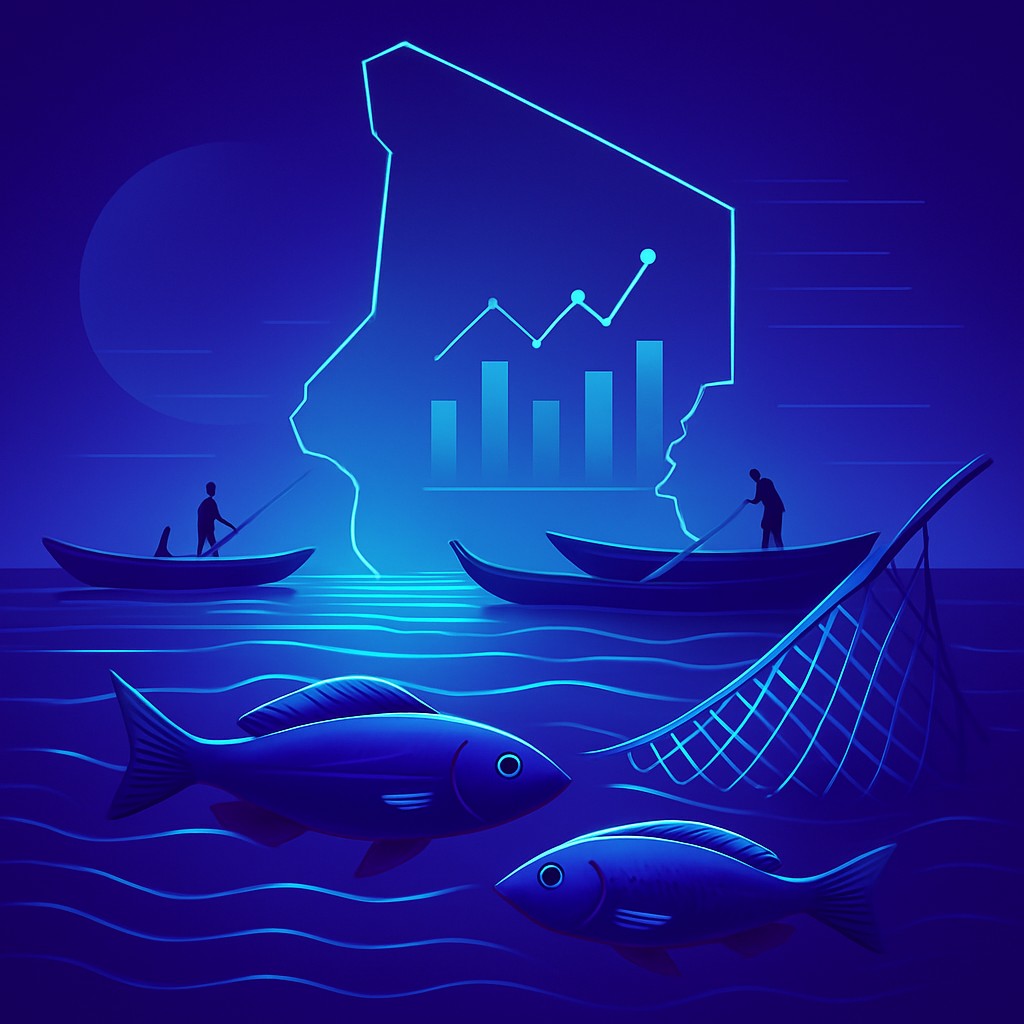
Fishing as a Vital Resource
Despite being a landlocked, largely arid country, Chad possesses significant freshwater fishing resources, most notably Lake Chad and the Chari and Logone rivers. Fisheries provide an essential source of protein, income, and employment for communities across the country. Fishery companies organize the harvesting, processing, and distribution of fish, transforming a traditional activity into a structured economic sector.
Fish such as tilapia, catfish, and Nile perch are dietary staples and important trade goods. As demand for affordable protein grows alongside the population, the role of well-managed fishery companies in ensuring sustainable supply becomes increasingly important.
The Role of Fishery Companies
Fishery companies add value to the sector by improving harvesting efficiency, ensuring proper handling and preservation, and connecting fishers to broader markets. They invest in cold storage, processing, and transport, reducing post-harvest losses that have long challenged the industry. By organizing production and distribution, they help stabilize supply and improve incomes for fishing communities.
The best companies balance commercial success with sustainability, recognizing that overfishing and environmental pressures threaten the very resource they depend on. Responsible practices, including respecting fishing seasons and supporting conservation, distinguish leading operators.
Notable Fishery Companies
Lac Tchad Fisheries is closely associated with harvesting and supplying fish from Lake Chad, serving local and regional markets with fresh and preserved products. Sahel Aqua Resources focuses on processing and preservation, reducing spoilage and extending the reach of fish products inland.
Chari River Fishing Company draws on the rich resources of the Chari river, supplying markets in N'Djamena and surrounding areas. Tchad Poisson Distribution specializes in the distribution and trade of fish across the country, linking producers with retailers and consumers. Aqua Sahel Group is recognized for exploring aquaculture and sustainable fishing practices aimed at securing long-term supply.
Trends and Challenges
Chad's fishery sector faces both opportunity and pressure. The shrinking of Lake Chad over recent decades has heightened the importance of sustainable management and the exploration of aquaculture as a complementary source of fish. There is growing interest in fish farming, improved preservation technologies, and better cold chains to reduce losses and expand market access.
Demand for affordable protein continues to rise, creating strong incentives for investment in the sector. Companies that adopt sustainable practices, invest in processing infrastructure, and support aquaculture are well positioned to thrive while protecting this vital resource for future generations.
Choosing a Reliable Fishery Partner
For buyers and partners, evaluating fishery companies involves considering product freshness, handling standards, supply reliability, and commitment to sustainability. Companies that invest in proper preservation and responsible harvesting offer the most dependable and ethical partnerships. The companies highlighted here have established meaningful roles in Chad's fishery sector.
Conclusion
Fishery companies provide essential nutrition, income, and employment in Chad, drawing on the country's valuable freshwater resources. Through responsible management, investment in processing, and the pursuit of aquaculture, they strengthen food security and protect a vital resource. Supporting reputable fishery companies is key to a sustainable and prosperous future for this important sector.