
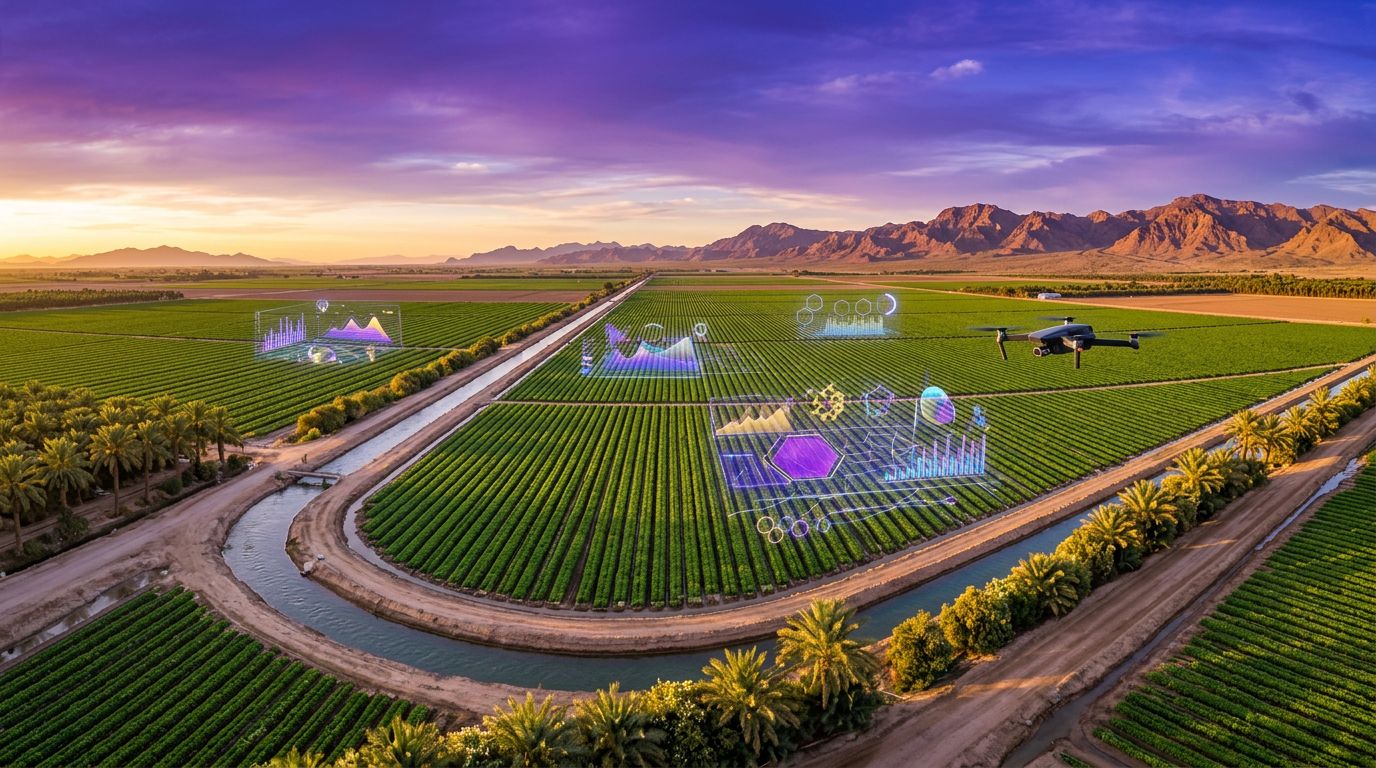
Yuma: The Winter Vegetable Capital
Few places in the world match Yuma's agricultural productivity. During the winter months, the Yuma region supplies a large share of the leafy greens consumed in the United States and Canada. Lettuce, spinach, broccoli, cauliflower, and specialty greens grow in fertile fields irrigated by the Colorado River, while abundant sunshine and mild winter temperatures create ideal growing conditions.
Yuma's agricultural success is the result of generations of farming knowledge, advanced irrigation systems, and investment in food safety and technology. The region is also known for melons, citrus, Medjool dates, wheat, and alfalfa. Agriculture is the backbone of the local economy, supporting thousands of jobs in farming, packing, cooling, trucking, and related industries.
Here are the top 10 farming companies with a major presence in Yuma.
Top 10 Farming Companies in Yuma
1. Taylor Farms
Taylor Farms is one of the largest producers of fresh-cut vegetables and salads in North America. Its Yuma operations process leafy greens grown during the winter season into packaged salads and fresh-cut products distributed nationwide.
2. Fresh Express
Fresh Express pioneered packaged salads and operates a significant processing facility in Yuma. The company sources leafy greens from regional growers during the winter months to supply grocery stores across the country.
3. Dole Fresh Vegetables
Dole Fresh Vegetables grows and ships lettuce, salads, and vegetables from Yuma during the winter season. Its commitment to food safety and quality has made it a trusted name in fresh produce.
4. Church Brothers Farms
Church Brothers Farms is a family-owned grower and shipper of leafy greens and vegetables. Its year-round supply model includes winter production in the Yuma region and a strong focus on food safety and customer service.
5. Duda Farm Fresh Foods
Duda Farm Fresh Foods is a family-owned company with a long history in agriculture. It grows celery, leafy greens, and other vegetables, with winter production in desert growing regions such as Yuma.
6. Tanimura and Antle
Tanimura and Antle is a family-owned grower known for lettuce, artisan greens, and vegetables. The company shifts production to the Yuma area in winter, maintaining a consistent supply for retailers and foodservice customers.
7. JV Smith Companies
JV Smith Companies is a Yuma-based farming operation that grows a wide range of vegetables and other crops. Its local roots and diversified production make it an important part of the regional agricultural community.
8. Amigo Farms
Amigo Farms is a family-operated Yuma grower producing vegetables, wheat, and other crops. The company is known for its commitment to the local community and sustainable farming practices.
9. Pasquinelli Produce
Pasquinelli Produce is a long-established Yuma grower and shipper of vegetables, including lettuce, broccoli, and cauliflower. Its experience and deep local knowledge make it a respected name in the region.
10. Datepac
Datepac is a Yuma-based date packer specializing in Medjool dates. The Yuma area has become one of the leading Medjool date producing regions in the United States, and Datepac helps bring these premium dates to markets nationwide.
What Makes Yuma Agriculture Unique
Yuma's agricultural advantage comes from a combination of climate, soil, and water. Mild winters allow crops to grow when most of the country is too cold for field production. The Colorado River provides irrigation water through an extensive canal system, and fertile soils support high yields. The region's growers have developed sophisticated planting schedules that deliver a steady supply of fresh vegetables throughout the winter season.
Many growers operate in both Yuma and California's Salinas Valley, shifting production between regions as seasons change. This seasonal transition ensures that consumers have access to fresh leafy greens year-round.
Innovation and Food Safety
Yuma growers are leaders in food safety practices, including field testing, water monitoring, worker hygiene programs, and traceability systems. Collaborative efforts involving growers, industry associations, researchers, and the University of Arizona Yuma Center of Excellence for Desert Agriculture have advanced research in food safety, pest management, and water efficiency.
Technology is also transforming Yuma farms. GPS-guided tractors, drone monitoring, automated weeding, and precision irrigation help growers increase efficiency and reduce resource use. Vacuum cooling and cold-chain logistics preserve freshness from field to store.
Challenges Facing Yuma Agriculture
Water availability is the most significant challenge facing Yuma agriculture. Ongoing drought and reduced Colorado River flows have prompted conservation efforts and negotiations over water allocations. Labor availability is another concern, as many farms rely on seasonal workers who cross the border daily. Rising costs for inputs, equipment, and compliance also put pressure on growers, encouraging further investment in automation and efficiency.
Industry Trends
Key trends include greater mechanization, sustainable water management, regenerative farming practices, and expanding organic production. Value-added products such as packaged salads and fresh-cut vegetables continue to grow. Agritourism and local food celebrations are also raising awareness of Yuma's agricultural heritage among residents and visitors.
Conclusion
Yuma's farming companies play a vital role in feeding North America during the winter months. The growers and processors on this list combine generations of experience with modern technology and strong food safety practices. Their work supports the local economy and ensures that families across the continent have access to fresh, high-quality vegetables all winter long.