
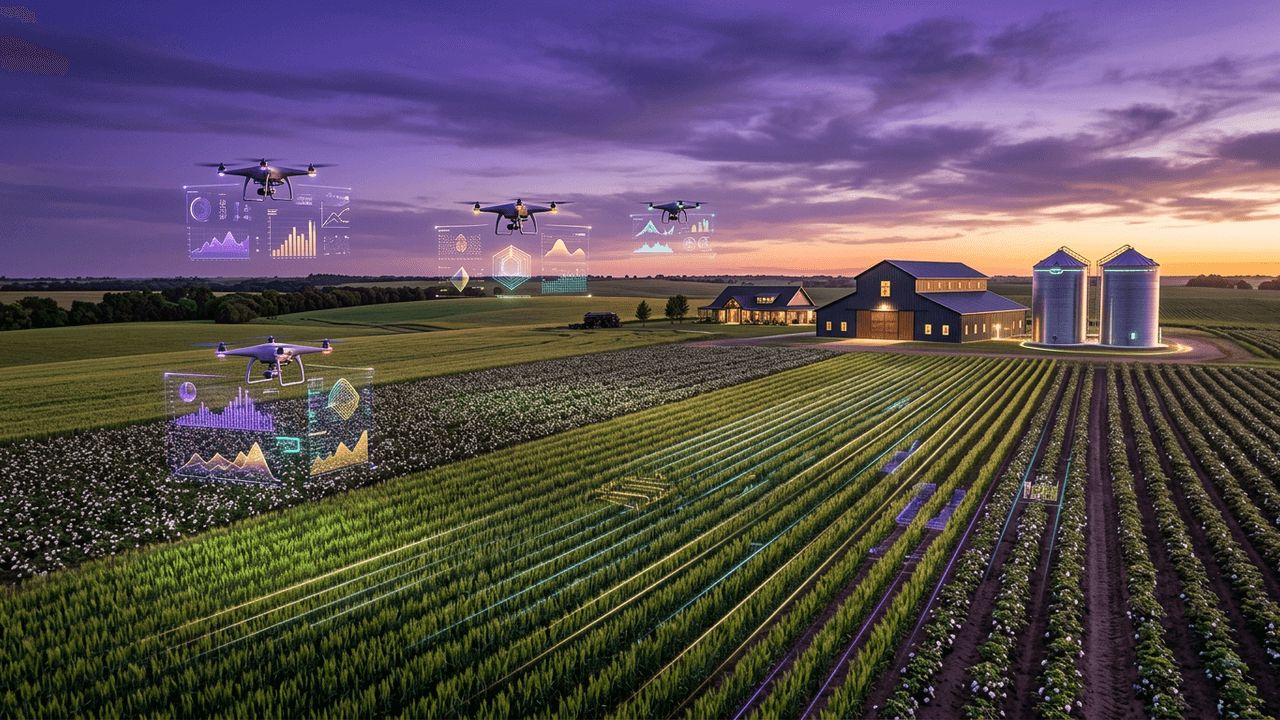
Farming in the Wichita Falls Region
The rolling plains around Wichita Falls are some of the most productive farming and ranching lands in North Texas. Wichita, Archer, Clay, and Wilbarger counties produce winter wheat, cotton, grain sorghum, hay, and significant numbers of beef cattle. Many operations run wheat as both a grain crop and winter pasture, a dual-purpose system that is a hallmark of the region.
Farming here also comes with real challenges, including drought cycles, extreme summer heat, volatile commodity prices, and rising input costs. The companies and organizations below help local producers manage those risks through agronomy, financing, research, and marketing.
The Top 10 Farming Companies and Organizations
1. Texas A&M AgriLife Research and Extension Center at Vernon
Located just northwest of Wichita Falls, this research center focuses on the exact conditions area farmers face, including wheat breeding, cotton production, and rangeland management. Its field days and extension programs give local growers science-backed recommendations that are tailored to Rolling Plains soils and rainfall.
2. Capital Farm Credit
Capital Farm Credit is a cooperative lender providing land loans, operating lines, and equipment financing to Texas farmers and ranchers. Because it is member-owned, borrowers can receive patronage returns. Its understanding of agricultural cash flows makes it a trusted partner during difficult seasons.
3. Texas Farm Bureau
Texas Farm Bureau advocates for agricultural producers at the state and federal level while offering insurance and member benefits. Its county-level organization in the Wichita Falls area keeps farmers informed about water policy, property rights, and regulations that shape day-to-day operations.
4. Nutrien Ag Solutions
Nutrien Ag Solutions supplies fertilizers, crop protection products, seed, and agronomic consulting. Its digital tools help farmers map fields, analyze soil, and apply inputs more precisely, which reduces waste and improves yields on wheat and cotton acres.
5. Helena Agri-Enterprises
Helena Agri-Enterprises is known for its crop protection, fertility, and specialty nutrition products, along with trained agronomists who work directly with growers. Wichita Falls area producers often rely on Helena for recommendations on weed resistance management and foliar nutrition programs.
6. Cargill
Cargill is a global agribusiness involved in grain handling, animal nutrition, and beef processing. For North Texas producers, Cargill offers grain marketing opportunities and feed solutions, while its beef operations represent an important link in the regional cattle supply chain.
7. ADM
ADM buys, stores, and processes grains and oilseeds, providing farmers with marketing contracts and risk management tools. Access to large-scale buyers helps Wichita Falls wheat growers secure fair pricing and plan sales strategies around harvest.
8. CHS Inc.
CHS is a farmer-owned cooperative offering agronomy, energy, grain marketing, and financial services. Its cooperative model and wide product range appeal to producers who want an integrated partner for fuel, inputs, and crop sales.
9. USDA Natural Resources Conservation Service
While a government agency rather than a private company, the NRCS is essential for area farmers. It provides technical and financial assistance for soil conservation, water management, and grazing improvements, helping operations become more resilient to drought.
10. Tyson Foods
Tyson Foods is one of the largest protein companies in the world and a major buyer within the livestock economy. Its presence in Texas supports demand for cattle and feed grains, offering ranchers around Wichita Falls stable market channels.
What Makes a Strong Farming Partner
Farmers in the region should look for partners with local knowledge. Agronomy advice that works in Iowa may fail in the Rolling Plains, where rainfall averages are lower and soil types vary sharply. Ask potential suppliers about trial data from nearby counties, support during critical windows like planting and harvest, and flexibility in payment terms. For lenders and marketers, transparency on fees and contract terms is essential.
Trends in North Texas Agriculture
Precision agriculture is spreading quickly, with GPS-guided equipment, variable-rate applications, and satellite imagery becoming standard on larger farms. Regenerative practices such as cover cropping and no-till farming are gaining attention as tools for conserving moisture. Water conservation remains central, as Lake Kemp and Lake Diversion supply both irrigation and municipal needs. Finally, direct-to-consumer beef and specialty products are creating new income streams for smaller family farms.
Benefits of Working With Established Agricultural Partners
Large, established agricultural companies bring purchasing power and research budgets that individual farms simply cannot match. That scale often translates into better product consistency, access to new seed traits and crop protection chemistries, and data platforms that compare performance across thousands of fields. Cooperatives and farm credit institutions add another layer of value by returning profits to members and understanding the seasonal nature of farm income.
Local relationships still matter, though. The most successful Wichita Falls producers combine the resources of national companies with the advice of nearby agronomists, county extension agents, and neighbors who have farmed the same ground for decades. That mix of global capability and local wisdom is what keeps operations profitable through wet years, dry years, and everything in between.
Questions to Ask Before Signing On
Before committing to a new input supplier, lender, or grain buyer, ask how they support customers during drought, what crop insurance coordination they offer, and whether they provide field-level data you can keep. Clear answers to these questions often reveal which partners are truly invested in your long-term success.
Final Thoughts
Farming around Wichita Falls is a blend of tradition and innovation. The companies and organizations above help producers navigate weather, markets, and technology so family operations can continue thriving for generations. Building relationships with the right research, financial, and input partners is one of the most important decisions any farmer in the region can make.