
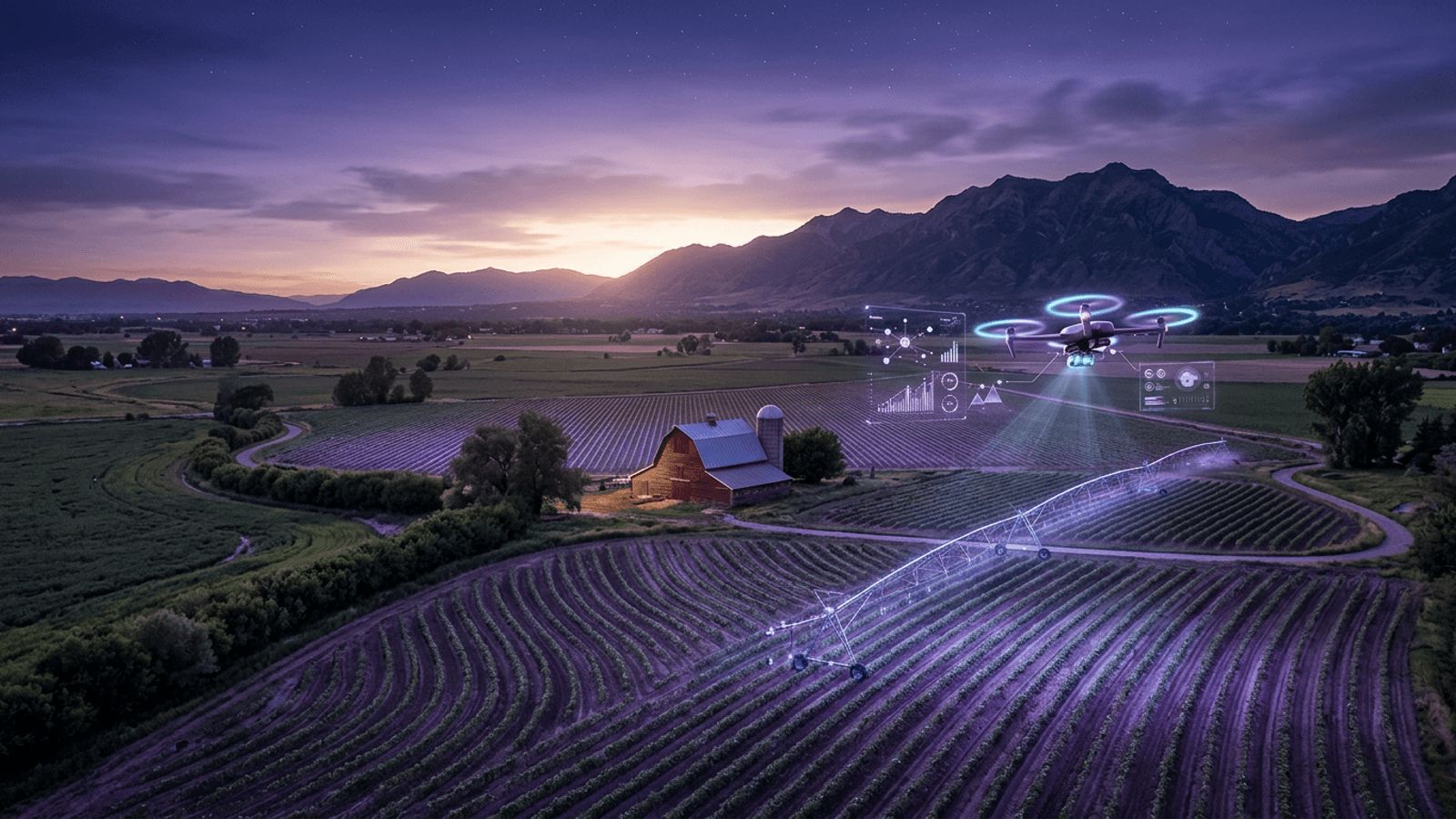
West Jordan's Agricultural Heritage
Long before it became a thriving suburb, West Jordan was a farming community. Pioneer settlers diverted water from the Jordan River to irrigate fields of wheat, sugar beets, and alfalfa, and the historic Gardner Mill, now part of Gardner Village, once processed grain for local families. While new neighborhoods now cover much of the former farmland, agriculture remains an important part of the city's identity and the broader Utah economy.
Today, residents enjoy access to family farms, dairies, orchards, and agricultural cooperatives throughout the Wasatch Front. Below are ten farming companies and organizations that serve West Jordan with fresh food and agricultural expertise.
1. Intermountain Farmers Association
Intermountain Farmers Association, commonly known as IFA, is a Utah-based agricultural cooperative with retail stores across the state. It supplies feed, seed, fertilizer, fencing, and lawn and garden products to farmers, ranchers, and homeowners. For West Jordan residents raising backyard chickens or maintaining gardens, IFA is an essential resource.
2. Utah Farm Bureau Federation
The Utah Farm Bureau Federation is the state's largest agricultural advocacy organization. It supports farmers and ranchers through education, policy advocacy, and community programs. Its efforts help preserve agriculture in rapidly urbanizing areas like Salt Lake County.
3. Winder Farms
Winder Farms has delivered fresh dairy and groceries to Utah homes for generations. Its home delivery model brings milk, produce, and local foods directly to West Jordan doorsteps, combining farm tradition with modern convenience.
4. Wheeler Historic Farm
Located in nearby Murray, Wheeler Historic Farm is a working farm and educational destination operated by Salt Lake County. Families from West Jordan visit to learn about traditional farming, see animals, and participate in seasonal events that celebrate the valley's agricultural past.
5. Bangerter Farms
Bangerter Farms is a family-owned farm known for fresh sweet corn, tomatoes, peaches, and seasonal produce. Its farm stands are popular with Salt Lake Valley residents who want to enjoy locally grown fruits and vegetables during the summer harvest.
6. Rowley's Red Barn
Rowley's Red Barn in Santaquin is a beloved farm market famous for fresh fruit, cider, and seasonal treats. Its orchards produce apples, cherries, and peaches, and it attracts families from across the Wasatch Front, especially during fall harvest season.
7. Clifford Family Farm
Clifford Family Farm in Provo is a working farm offering agritourism experiences, fresh produce, and farm-raised goods. It is a favorite destination for families seeking pumpkin patches, farm tours, and hands-on agricultural education.
8. Cox Honeyland
Cox Honeyland is a family beekeeping business that has produced Utah honey for generations. Its raw honey and bee products are sold throughout the state, and its pollination services support local orchards and farms.
9. Dairy Farmers of America
Dairy Farmers of America is a national dairy cooperative that includes many Utah dairy farms. Its members produce milk that supplies grocery stores, schools, and food processors across the region, helping keep local dairy agriculture viable.
10. Utah State University Extension
While not a farm itself, USU Extension provides research-based guidance to farmers and gardeners across Utah, including Salt Lake County. Its programs on water-wise gardening, soil health, pest management, and small-scale farming are invaluable for West Jordan residents and growers.
The Importance of Local Agriculture
Local farming provides fresher food, supports the regional economy, and preserves open space. Buying from Utah farms reduces transportation distances and helps keep farmland in production despite development pressures. Farmers markets, farm stands, and community supported agriculture programs allow West Jordan residents to build direct relationships with the people who grow their food.
Challenges Facing Utah Farmers
Water availability is the biggest challenge for agriculture in Utah. Drought conditions and growing urban demand require farmers to adopt efficient irrigation methods such as drip systems and soil moisture monitoring. Rising land values along the Wasatch Front also put pressure on farmland, making conservation easements and agricultural protection programs increasingly important.
Trends in Utah Farming
Technology is transforming farming. Precision agriculture tools, drones, and data-driven irrigation help farmers increase yields while conserving resources. Urban agriculture, including backyard gardens, community gardens, and small market farms, is growing in popularity in West Jordan. Agritourism, such as pumpkin patches, corn mazes, and orchard picking, provides additional income for farms and memorable experiences for families.
How Residents Can Support Local Farms
West Jordan residents can support agriculture in simple ways. Shopping at farmers markets and roadside stands during the summer and fall puts money directly into the hands of local growers. Choosing Utah-made dairy, honey, and produce at the grocery store helps regional farms stay competitive. Families can also visit agritourism destinations, take part in pick-your-own events, and enroll children in 4-H programs offered through USU Extension. Backyard gardening, composting, and raising small livestock where permitted continue the city's agricultural tradition and connect new generations with the land.
Final Thoughts
West Jordan's agricultural roots continue to influence the community, from historic landmarks to modern backyard gardens. The farming companies, cooperatives, and organizations on this list help keep local agriculture thriving, providing fresh food, expert guidance, and meaningful connections to the land. Supporting them helps preserve an important part of Utah's heritage for future generations.