
Washington Wholesale and Industry Overview
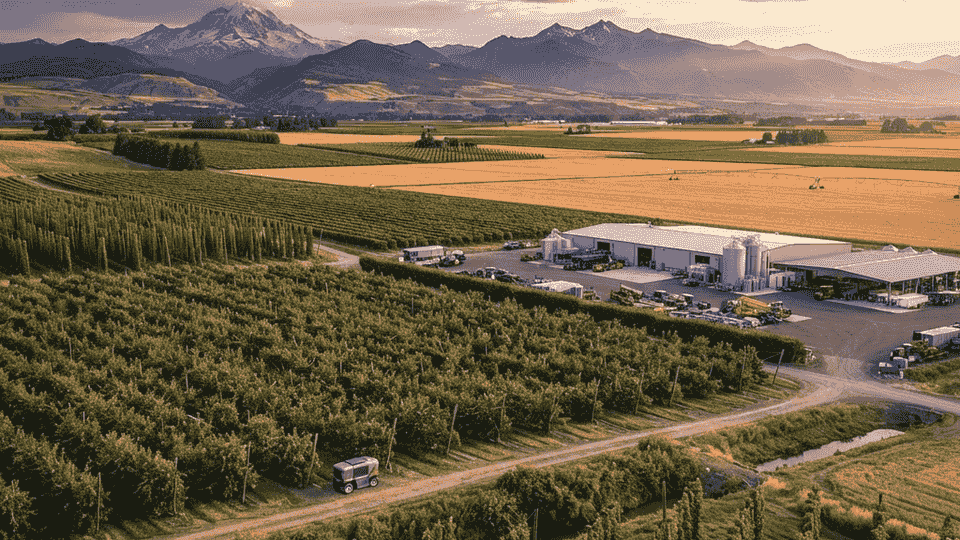
Washington agriculture ranges from apples, cherries, hops, wine grapes, potatoes, wheat, and pulses to dairy and specialty crops. Irrigated valleys east of the Cascades, maritime conditions in western Washington, and productive dryland regions create one of the nation's most varied farm economies. The companies on this list are notable for scale, category leadership, grower networks, innovation, or regional influence. Inclusion is informational and buyers should independently evaluate current practices and certifications.
Farm businesses are responding to water constraints, labor availability, climate variability, export conditions, and rising input costs. Precision irrigation, orchard automation, biological crop tools, renewable energy, and improved cold-chain visibility are gaining attention. Consumers and commercial buyers also expect stronger reporting on worker welfare, pesticide practices, soil health, and packaging.
1. Stemilt Growers
Stemilt Growers, based in Wenatchee, is a prominent tree-fruit company known for apples, cherries, pears, and organic programs. Its integrated packing, storage, marketing, and grower relationships support distribution at significant scale. Varietal development and disciplined cold-chain handling are key strengths in fresh fruit.
2. Gebbers Farms
Gebbers Farms operates in north-central Washington and is known for apple and cherry production. The region's elevation, temperature variation, and water resources support high-quality tree fruit. Large orchard and packing capabilities help serve domestic and export customers.
3. Zirkle Fruit Company
Zirkle Fruit Company is a longstanding Washington grower and packer of apples and cherries. Its operations in central Washington connect orchard production with storage and distribution. Buyers value consistency, seasonal planning, and specifications tailored to retail and foodservice channels.
4. Washington Fruit Growers
Washington Fruit Growers is a major Yakima-area grower, packer, and shipper of apples, pears, and cherries. Modern packing and controlled storage support quality over extended marketing windows. The company illustrates the scale and technical sophistication of the Yakima Valley fruit industry.
5. Auvil Fruit Company
Auvil Fruit Company is associated with premium tree-fruit production in central Washington. It has played a notable role in varietal innovation and intensive orchard practices. Specialty positioning and careful quality management appeal to buyers seeking differentiated apples and cherries.
6. Sage Fruit Company
Sage Fruit Company markets Washington-grown apples, pears, and cherries from a network of grower partners. Coordinated sales, packing, and marketing help farms reach broad retail channels. Category programs and consumer-facing merchandising are important parts of its value proposition.
7. CSS Farms
CSS Farms produces potatoes and seed potatoes in multiple regions, including operations connected to Washington's potato industry. Agronomic expertise, storage, and supply coordination support processing and fresh-market needs. Variety selection and contract specifications are critical in this category.
8. RDO Farms
RDO Farms operates diversified agricultural production, including potatoes and other crops in the Columbia Basin region. Large-scale management and technology help address irrigation, quality, and harvest timing. The company is relevant to Washington's strong processing-potato supply chain.
9. Sagemoor Vineyards
Sagemoor Vineyards is a respected wine-grape grower in the Columbia Valley. Its vineyard sites supply wineries with varieties shaped by Washington's warm days, cool nights, and controlled irrigation. Block-level farming and long-standing winery relationships support premium wine production.
10. Roy Farms
Roy Farms in the Yakima Valley is known for hops, apples, blueberries, and related agricultural operations. The farm's hop production connects directly to Washington's globally important brewing supply chain. Diversification and attention to crop quality help manage changing market conditions.
Industry Trends to Watch
Washington agriculture's future depends on using water and labor more efficiently while preserving quality. Sensors, aerial imaging, variable-rate inputs, automated sorting, and improved forecasting can reduce waste. At the same time, technology must be paired with experienced field teams and realistic economics. Export-oriented growers must also adapt to changing trade conditions and phytosanitary requirements.
How to Choose the Right Washington Partner
Commercial buyers should assess food-safety programs, certifications, traceability, labor standards, crop forecasts, packing formats, and contingency plans. Visit farms or packing facilities when the relationship is strategically important. Seasonal products require clear communication about size, grade, maturity, and substitutions. The strongest farming partners combine agronomic excellence with transparent records, consistent packing, and dependable post-harvest logistics.
Practical Evaluation Checklist
Before committing, ask two or three shortlisted providers to quote the same representative order so comparisons remain fair. Record product cost, freight, minimum quantities, estimated arrival, payment terms, warranty coverage, and return conditions in one worksheet. Check references from businesses of a similar size and confirm who will handle routine questions or urgent exceptions. Review samples, specification sheets, invoices, and packaging for consistency. Finally, establish measurable expectations for fill rate, quality, response time, and delivery, then review actual performance after the first several orders. This disciplined process turns an appealing catalog into an evidence-based sourcing decision.
Final Perspective
Washington buyers should treat this list as a research starting point rather than a universal ranking. Availability, account eligibility, territories, product lines, and service levels can change. Build a written scorecard, verify current terms directly with each business, and begin with a measured order or pilot program. The strongest long-term relationship will align dependable quality and responsive service with the specific needs of your customers, team, location, and growth plan.