
Introduction
Tyler earned its nickname, the Rose Capital of America, through generations of agricultural achievement. At one point, a large share of the nation's commercial rose bushes were grown in the Tyler area. Today, agriculture in Smith County and surrounding East Texas counties includes poultry production, beef cattle, hay, nurseries, vineyards, and fruit and vegetable farms.
Farming companies and agricultural organizations support the local economy, provide jobs, and help feed communities across Texas and beyond. Here are ten farming companies and agricultural leaders that stand out in and around Tyler.
The State of Agriculture Around Tyler
East Texas offers fertile sandy loam soils, abundant rainfall, and a long growing season. These conditions support pastures, forage crops, and horticulture. Poultry production has grown significantly in the region, while cattle ranching remains a way of life for many families.
Agritourism is also expanding. Wineries, pick-your-own farms, and nurseries attract visitors from Dallas, Houston, and Shreveport, adding new income streams for local farms and introducing more people to East Texas agriculture.
The 10 Best Farming Companies and Agricultural Leaders in the Tyler Area
1. Wayne-Sanderson Farms
Wayne-Sanderson Farms operates significant poultry operations in the Tyler area, working with contract growers throughout East Texas. Its processing facilities create hundreds of jobs and provide fresh chicken for grocery and foodservice customers.
2. Pilgrim's
Pilgrim's is one of the largest chicken producers in the world, with major operations in Northeast Texas. Its network of contract growers in the region benefits from steady demand and established supply chains.
3. Tyson Foods
Tyson Foods operates poultry facilities in East Texas and partners with local farmers who raise birds under contract. Its presence supports rural economies and provides stable income for many farm families.
4. Cal-Maine Foods
Cal-Maine Foods is the largest producer and distributor of fresh shell eggs in the United States, with operations in Texas. Its eggs supply grocery stores across the region, contributing to the state's strong egg production industry.
5. Cargill
Cargill is a global agricultural company involved in beef processing, animal nutrition, and grain trading. East Texas cattle producers benefit from its feed products and market access, which help ranchers improve herd performance.
6. Dairy Farmers of America
Dairy Farmers of America is a national dairy cooperative owned by family farmers. Dairy farms in Northeast Texas belong to the cooperative, which processes and markets milk for products found on store shelves.
7. Kiepersol
Kiepersol is a family-owned vineyard, winery, and estate located just south of Tyler. It is known for award-winning wines, a restaurant, and lodging, and it has helped put East Texas on the map as an emerging wine region.
8. Blue Moon Gardens
Blue Moon Gardens, located near Tyler, is a well-loved nursery specializing in herbs, perennials, and native plants. It offers gardening expertise and seasonal events that celebrate the horticultural traditions of East Texas.
9. Texas A&M AgriLife Research and Extension Center at Overton
Located near Tyler, this research and extension center conducts important studies on forage, beef cattle, horticulture, and soil management. Its findings and educational programs help local farmers adopt better practices and improve productivity.
10. Smith County Farm Bureau
The Smith County Farm Bureau supports local farmers and ranchers through advocacy, education, and community programs. It helps connect agricultural producers with resources and represents their interests on important policy issues.
How Farming Companies Support Tyler
Agriculture creates jobs not only on farms but also in processing, transportation, equipment sales, and retail. Contract farming programs give rural families stable income, while nurseries and wineries attract tourism dollars. Agricultural research helps farmers adapt to changing weather patterns and market demands.
Local farms also strengthen food security and community identity. Farmers markets in Tyler connect residents directly with growers, supporting small producers and providing fresh, seasonal food.
Agricultural Trends in East Texas
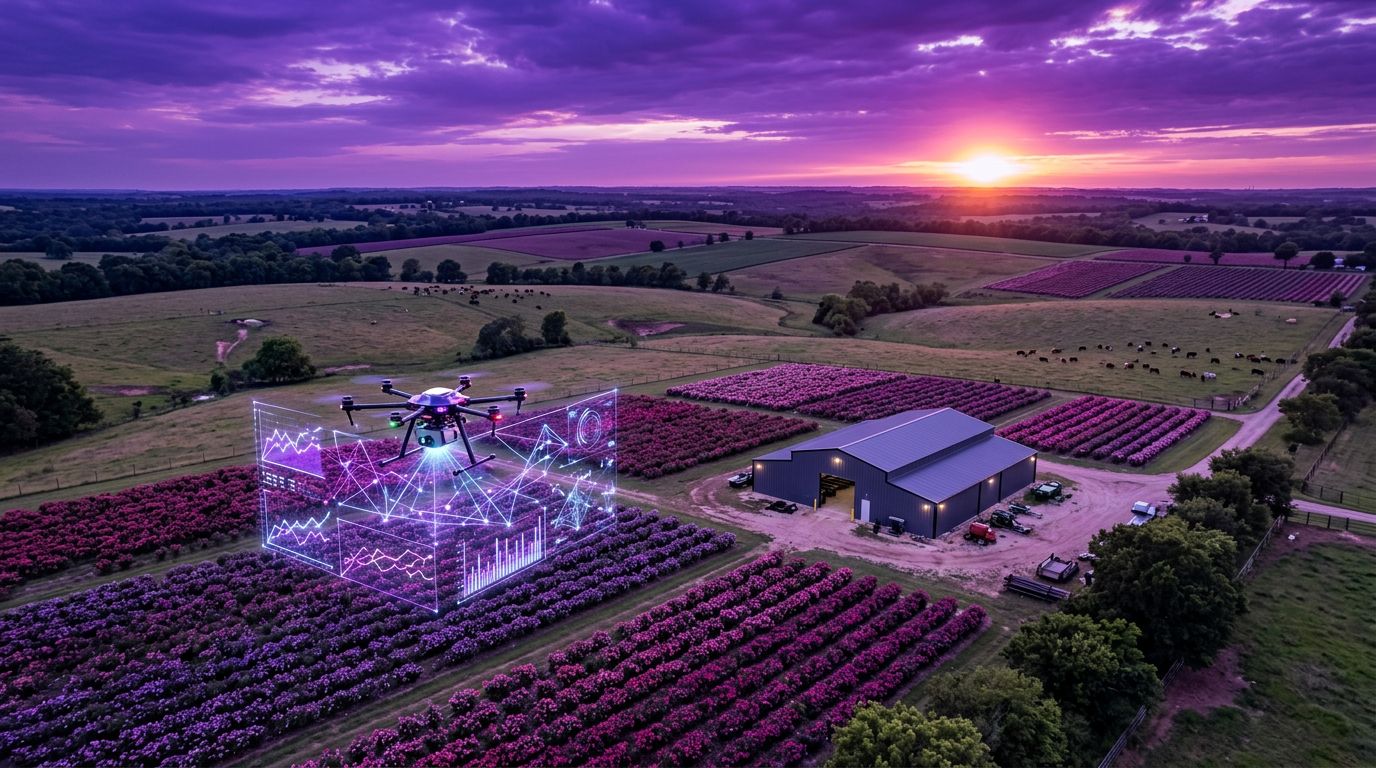
Precision agriculture, rotational grazing, and soil health practices are increasingly common. Farmers are using drones, soil sensors, and data analytics to improve yields and reduce costs. Agritourism, specialty crops, and direct-to-consumer sales are also growing as consumers seek local food experiences.
Frequently Asked Questions
Why is Tyler called the Rose Capital of America?
Tyler became famous for commercial rose production in the early twentieth century, when local nurseries grew a large portion of the nation's rose bushes. The city celebrates this heritage with the Tyler Municipal Rose Garden and the annual Texas Rose Festival.
What crops grow well around Tyler?
East Texas supports forage grasses, blueberries, peaches, tomatoes, peas, and a variety of vegetables. Nursery plants, roses, and grapes for wine are also well suited to the region's soils and climate.
How can new farmers get started in East Texas?
New farmers can take advantage of extension programs, soil testing services, and beginning farmer workshops. Connecting with local farm organizations and experienced growers is also an excellent way to learn region-specific practices.
Final Thoughts
From poultry houses and cattle pastures to vineyards and rose gardens, agriculture continues to define Tyler's identity. These ten farming companies and agricultural organizations play key roles in feeding communities, creating jobs, and preserving East Texas farming traditions. Supporting them helps ensure a strong agricultural future for the Rose City.