
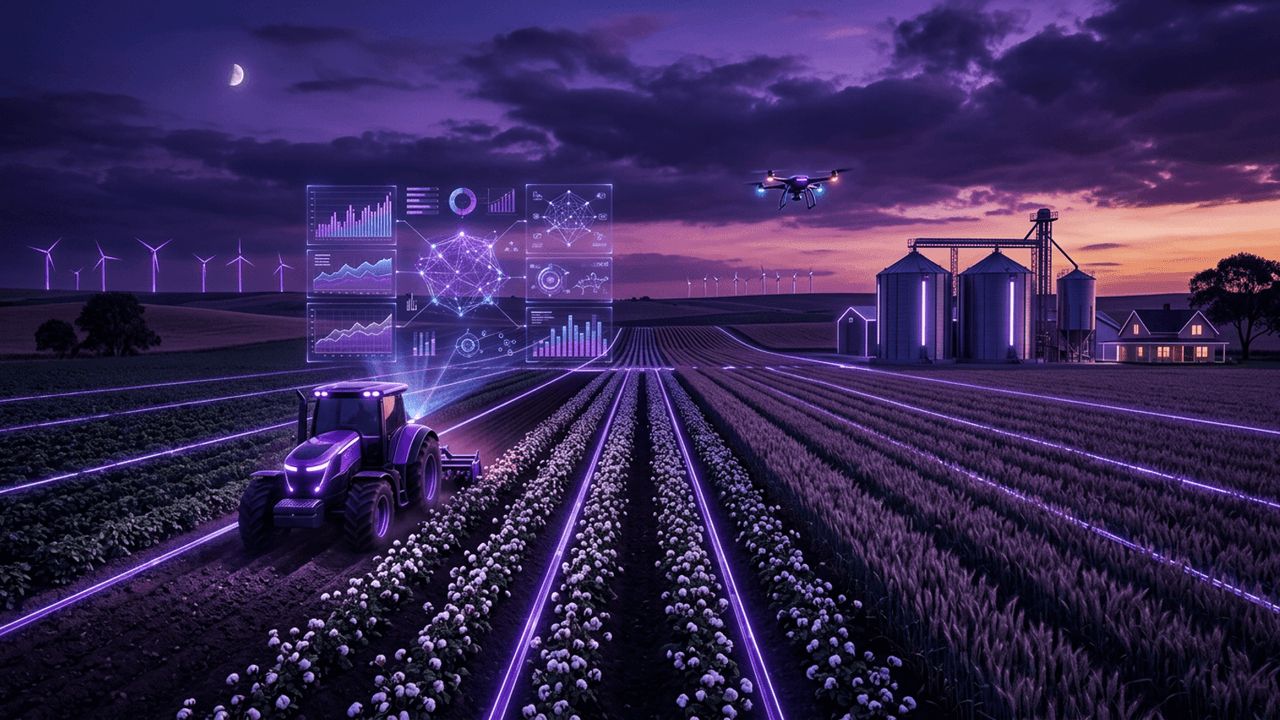
Agriculture in the Heart of the Blackland Prairie
Temple sits within the Texas Blackland Prairie, a region famous for deep, dark, fertile soils. For generations, farmers here have grown corn, wheat, sorghum, cotton, and hay, while ranchers raise cattle on improved pastures. Temple is also home to important agricultural research facilities that have contributed to soil and water science across the country. Today, local agriculture blends tradition with modern technology, supported by cooperatives, lenders, input suppliers, grain buyers, and research institutions.
The companies and organizations below were chosen for their impact on Temple-area agriculture, the services they provide to producers, and their reputation within the farming community.
The Top 10 Farming Companies and Organizations Serving Temple
1. Texas A&M AgriLife Blackland Research and Extension Center
Located in Temple, the Blackland Research and Extension Center conducts research on crop production, soil health, water quality, and natural resource modeling. Its scientists develop tools and practices that help farmers increase productivity while protecting soil and water resources.
2. USDA Agricultural Research Service Grassland, Soil and Water Research Laboratory
This federal laboratory in Temple has a long history of research on soil conservation, grassland management, and watershed hydrology. Its work has influenced agricultural conservation practices nationwide and benefits local producers through improved management recommendations.
3. Texas Farm Bureau
Texas Farm Bureau, headquartered in nearby Waco, advocates for farmers and ranchers and provides insurance, education, and member services. Its county organizations, including Bell County, connect local producers with resources, leadership programs, and policy information.
4. Capital Farm Credit
Capital Farm Credit is a cooperative lender that provides loans for land, equipment, livestock, and operating expenses. As a member-owned cooperative, it returns a portion of earnings to borrowers, making it a popular financing partner for Central Texas farmers and ranchers.
5. Nutrien Ag Solutions
Nutrien Ag Solutions supplies fertilizer, seed, crop protection products, and agronomic services. Its local agronomists help Temple-area producers develop nutrient plans, scout fields, and adopt precision agriculture technology.
6. Helena Agri-Enterprises
Helena provides crop inputs, application services, and agronomic advice. Its field representatives work closely with Bell County growers to manage weeds, insects, and diseases while improving efficiency and yields.
7. Cargill
Cargill is a global agricultural company that purchases grain, produces animal feed, and provides risk management tools. Central Texas producers benefit from its grain marketing options and feed products for livestock operations.
8. ADM
ADM buys and processes grains and oilseeds and offers marketing and risk management services to farmers. Its presence in Texas grain markets gives local growers additional outlets for corn, wheat, and sorghum.
9. CHS
CHS is a farmer-owned cooperative that provides agronomy inputs, grain marketing, and energy products. Its cooperative structure appeals to producers who want to share in the value created across the supply chain.
10. Tractor Supply Company
Tractor Supply serves small farms, ranches, and rural homeowners with feed, fencing, animal health products, tools, and equipment. Temple-area residents rely on its stores for everyday farm and ranch needs.
How Farmers Choose Agricultural Partners
Successful producers build a team of partners. Agronomists help with crop planning, lenders provide financing tailored to seasonal cash flow, and grain buyers offer marketing options. When choosing partners, farmers look for local knowledge, responsive service, competitive pricing, and a proven commitment to agriculture. Research organizations add value by providing unbiased data on new practices and technologies.
Benefits of Temple's Agricultural Ecosystem
Few communities have the combination of research institutions, cooperatives, and agribusinesses found around Temple. This concentration of expertise gives local farmers early access to new knowledge and practical support. It also strengthens the rural economy by keeping agricultural dollars circulating within Central Texas.
Farming Trends in Central Texas
Soil health practices such as cover cropping and reduced tillage are spreading as producers seek to build organic matter and reduce erosion. Precision agriculture tools, including GPS guidance, variable-rate application, and drone imaging, are improving efficiency. Water management is a growing priority due to periodic drought. Farmers are also exploring diversification through direct-to-consumer sales, agritourism, and specialty crops. Succession planning is important as many farms transition to the next generation.
The Role of Research in Local Farming
Temple's research facilities provide a distinct advantage. Field trials conducted on Blackland soils reflect real local conditions, so the findings translate directly to nearby farms. Field days, extension workshops, and published guides help producers apply these insights, from fertilizer timing to grazing management, creating measurable improvements in productivity and sustainability.
Resources for New and Small Farmers
Beginning farmers and small landowners around Temple can tap into a wealth of support. Extension offices offer workshops on soil testing, livestock care, and pasture management. Cooperative lenders provide programs designed for young and beginning producers. Local farmers markets and direct-to-consumer sales give small operations a way to reach customers, while the county Farm Bureau and agricultural associations provide networking and mentorship opportunities.
Final Thoughts
Temple's agricultural strength comes from fertile land, hardworking producers, and a network of research institutions and companies that support them. Whether you farm hundreds of acres or manage a small ranch, the organizations on this list provide the knowledge, financing, inputs, and markets needed to thrive on the Blackland Prairie.