
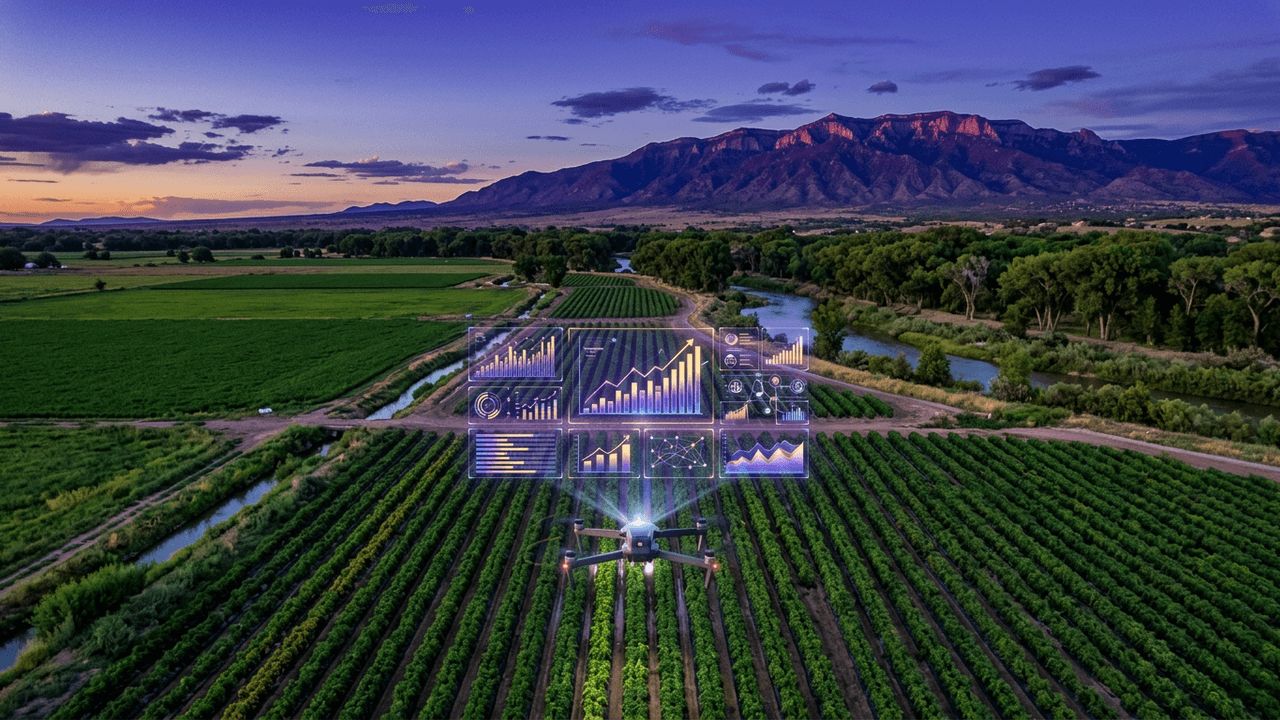
Agriculture in the Rio Rancho Area
While Rio Rancho is known for suburban growth, it sits beside some of the oldest farmland in North America. The Rio Grande valley, including neighboring Corrales, Bernalillo, and the North Valley of Albuquerque, has been farmed for centuries using acequia irrigation systems. Today, local farms grow green chile, sweet corn, pumpkins, berries, apples, lavender, and a wide variety of vegetables.
Farming in the high desert presents real challenges, including limited water, intense sun, short growing windows for some crops, and spring winds. Local farmers have responded with drip irrigation, season extension techniques, and a strong focus on direct-to-consumer sales through markets and community supported agriculture programs.
What Makes a Great Local Farm
The best farms combine quality produce with sustainable practices, community engagement, and reliable availability. Many offer U-pick experiences, farm stands, educational tours, and partnerships with local restaurants.
The Top 10 Farming Companies Serving Rio Rancho
1. Wagner Farms
Wagner Farms in Corrales is a beloved family farm known for its fresh produce, seasonal corn maze, and roasted green chile. It has been a fixture of local agriculture for generations and draws families from Rio Rancho every fall.
2. Heidi's Raspberry Farm
Heidi's in Corrales is famous for its organic raspberries and award-winning raspberry jams. It showcases how specialty crops can thrive in the valley with careful growing practices.
3. Los Poblanos Historic Inn and Organic Farm
Los Poblanos is renowned for its lavender fields, organic farming, and farm-to-table dining. It has become a model for agritourism and sustainable agriculture in the region.
4. Skarsgard Farms
Skarsgard Farms operates a popular organic produce delivery service that brings local and regional produce to homes across the metro, including Rio Rancho.
5. Rio Grande Community Farm
Rio Grande Community Farm in Albuquerque's Los Poblanos Open Space supports community agriculture, education, and wildlife habitat. It is a vital hub for sustainable farming knowledge.
6. Silver Leaf Farms
Silver Leaf Farms in Corrales grows certified organic vegetables for local markets and restaurants, emphasizing soil health and sustainable practices.
7. Corrales Growers' Market Vendors
The Corrales Growers' Market brings together many small farms selling fresh produce, eggs, honey, and plants. It is an excellent way for Rio Rancho residents to connect with growers directly.
8. Rio Rancho Farmers and Crafts Market Growers
Local growers who sell at Rio Rancho's own farmers market provide convenient access to seasonal produce, baked goods, and artisan products within the city.
9. Sichler Farms
Sichler Farms in Los Lunas is known for its chile, sweet corn, and fall produce stands, offering roasted chile that many metro residents stock up on each season.
10. Hatch Valley Chile Growers
Although located in southern New Mexico, Hatch Valley growers supply much of the green chile roasted in Rio Rancho each fall, making them an essential part of the local food culture.
Farming Trends in the Region
Water efficiency is the top priority. Farmers are adopting drip irrigation, mulching, soil moisture sensors, and drought-tolerant varieties. Some are experimenting with hoop houses and greenhouses to extend seasons and protect crops from wind and hail.
Agritourism is booming. Corn mazes, pumpkin patches, U-pick berries, lavender festivals, and farm dinners give farms additional revenue while connecting residents to agriculture. Local food demand from restaurants and families also supports small farms.
Technology is making inroads too, with drones, weather stations, and data-driven planning helping farmers optimize yields with fewer resources.
How Residents Can Support Local Farms
Shop at farmers markets, join a CSA, attend farm events, and choose restaurants that source locally. Buying roasted chile, berries, and produce directly from farmers keeps money in the local economy and preserves valuable farmland in the valley.
Local Insight: The Acequia Tradition
The acequia system, a network of community-managed irrigation ditches, has delivered water from the Rio Grande to valley fields for centuries. These ditches are governed by local associations whose members share water according to long-standing customs. Many farms near Rio Rancho, especially in Corrales, still rely on acequias, making them a living link to the region's agricultural history. Protecting these systems is vital for preserving farmland and the rural character of the valley.
Visiting a working valley farm during the growing season offers a firsthand look at how water, soil, and community combine to produce food in the desert. Many farms welcome school groups and families for tours and seasonal events.
Frequently Asked Questions
When is the best time to buy local produce?
Peak season runs from early summer through fall, with chile, corn, melons, apples, and pumpkins arriving from late summer into October.
Do local farms sell to restaurants?
Yes, many farms partner with local restaurants, providing fresh, seasonal ingredients for farm-to-table menus.
Conclusion
Rio Rancho residents enjoy access to a vibrant agricultural community that blends centuries-old traditions with modern sustainability. These farms provide fresh food, memorable experiences, and a connection to the land that defines New Mexico. Check each farm's seasonal schedule before visiting.