
Agriculture and the Quincy Economy
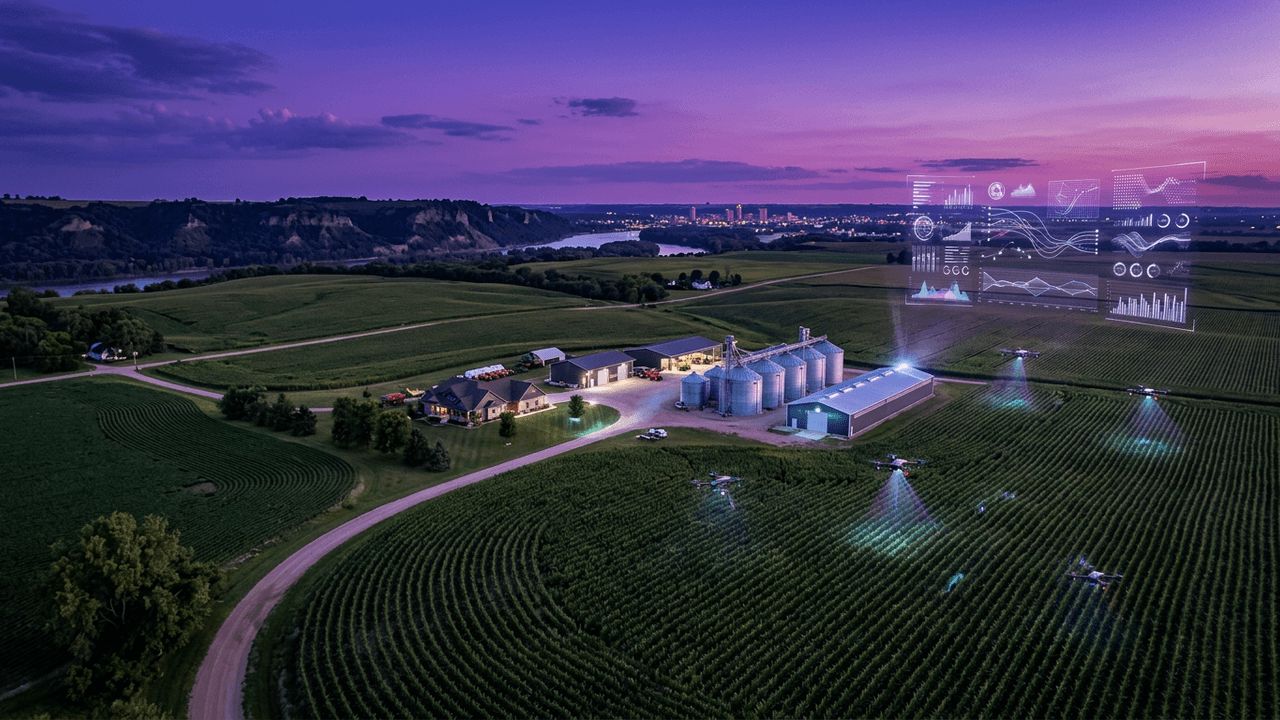
Surrounded by rich prairie soils and rolling river bluffs, Quincy, Illinois sits at the center of one of America's most productive farming regions. Adams County and the surrounding tri-state area grow vast acreages of corn and soybeans, along with wheat, hay, and specialty crops. Livestock operations raise hogs, cattle, and poultry, and dairy farms supply regional processors. The Mississippi River provides a vital export route, carrying grain to Gulf ports and world markets.
Behind every successful farm is a network of companies that provide inputs, marketing, financing, management, and advocacy. The following ten farming companies and organizations play leading roles in supporting agriculture in the Quincy region.
The Top 10 Farming Companies Serving Quincy
1. Ursa Farmers Cooperative
Based just north of Quincy, Ursa Farmers Cooperative is a farmer-owned cooperative offering grain marketing, agronomy services, fertilizer, crop protection, feed, and energy products. Its member ownership model keeps profits in the local farm community and ensures services are tailored to area growers.
2. GROWMARK and the FS System
GROWMARK, headquartered in Bloomington, Illinois, is a regional agricultural cooperative that supports local FS member cooperatives across the state. Farmers rely on FS for agronomy, seed, fuel, and grain services, along with precision agriculture expertise.
3. ADM
ADM purchases grain from regional farmers and processes it into food, feed, and industrial products. Its animal nutrition operations in Quincy, built on the legacy of Moorman's, provide livestock producers with feed and nutritional programs that improve herd health and productivity.
4. Cargill
Cargill operates grain handling and processing facilities along the Mississippi River, offering marketing opportunities and competitive bids for farmers. Its risk management tools help growers navigate volatile commodity markets.
5. Bunge
Bunge buys and processes soybeans and grains, turning them into meal and oils. Its river terminals and processing plants give Quincy-area farmers additional marketing outlets and help keep local basis levels competitive.
6. Prairie Farms Dairy
Prairie Farms is a farmer-owned dairy cooperative headquartered in Illinois. It provides member dairy farmers with a stable market for milk while producing well-known dairy products sold throughout the Midwest.
7. Farm Credit Illinois
Farm Credit Illinois is a member-owned lender offering land loans, operating credit, equipment financing, and crop insurance. Its understanding of agricultural cycles makes it a trusted partner for farmers expanding operations or transitioning farms to the next generation.
8. Hertz Farm Management
Hertz Farm Management provides farm management, real estate brokerage, appraisal, and auction services to landowners throughout the Midwest. Absentee landowners and families who inherit Adams County farmland rely on Hertz to manage leases, oversee production, and maximize returns.
9. Farmers National Company
Farmers National Company is one of the largest farm management and real estate firms in the United States. It offers professional farm management, land sales, appraisals, and conservation services that help landowners care for their property and achieve financial goals.
10. Adams County Farm Bureau
The Adams County Farm Bureau represents local farmers through advocacy, education, and member services. It organizes agricultural literacy programs in schools, leadership development for young farmers, and policy engagement on issues affecting rural communities.
How Farmers Can Choose the Right Partners
Farmers should evaluate partners based on service quality, agronomic expertise, pricing transparency, and long-term reliability. Cooperatives offer the advantage of member ownership and patronage dividends, while large commodity companies may provide additional marketing tools and global market access. When choosing lenders and farm managers, look for agricultural specialization, local knowledge, and a track record of supporting farms through good and challenging years.
Farming Trends in the Quincy Region
Precision agriculture is transforming local farms, with GPS-guided equipment, variable-rate seeding, drone imagery, and yield mapping helping farmers optimize inputs and boost profitability. Conservation practices such as cover crops, no-till farming, and nutrient management plans are expanding to protect soil health and water quality in the Mississippi River watershed. Farm succession planning is increasingly important as many farmers approach retirement. Meanwhile, renewable fuels and carbon markets are creating new opportunities for growers.
Frequently Asked Questions
What crops are most common around Quincy? Corn and soybeans dominate, followed by wheat and hay. Livestock, particularly hogs and cattle, also play a significant role in the local farm economy.
How can new farmers get started? Beginning farmer loan programs, mentorship through Farm Bureau, and resources from University of Illinois Extension can help new producers access land, capital, and knowledge.
Why is the river important to farmers? Barge transportation lowers the cost of shipping grain to export markets, which can improve local grain prices for farmers.
Building a Resilient Farm Business
Successful Quincy-area farms combine strong agronomy with sound business planning. Working with grain marketing advisors, maintaining relationships with multiple buyers, and using crop insurance helps protect against price swings and weather losses. Many farms also diversify through livestock, custom harvesting, or on-farm storage to capture additional value.
Conclusion
Farming is the foundation of Quincy's identity and economy. The cooperatives, processors, lenders, and service providers on this list support growers at every stage, from planting and harvest to marketing and succession. Together, they help ensure that the fertile fields surrounding the Gem City continue to feed families and fuel prosperity for generations.