
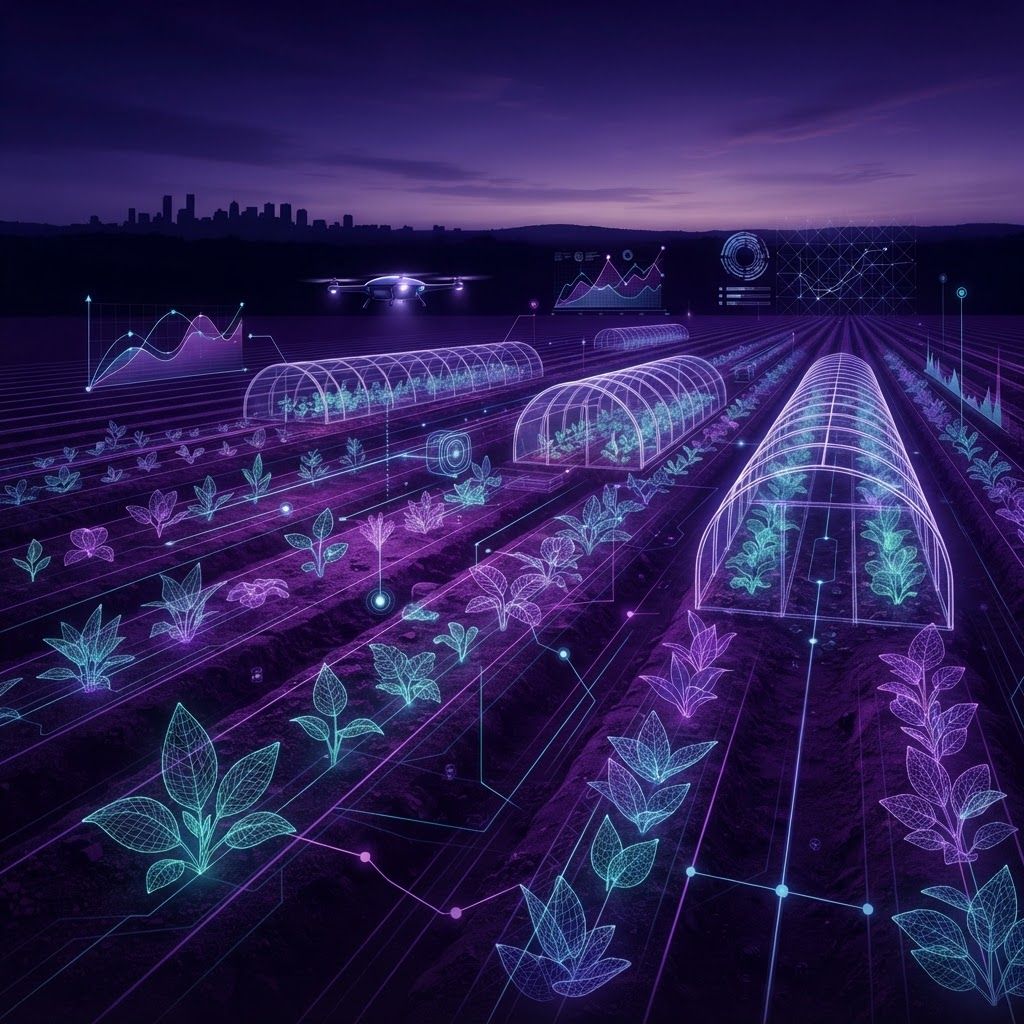
Agriculture in and Around Providence
Rhode Island is the smallest state in the country, and that fact shapes everything about its agriculture. There is no room for commodity scale row cropping, so farms here have adapted by pursuing high value per acre rather than volume. Vegetables, nursery stock, dairy, orchard fruit, aquaculture, and specialty crops dominate, sold largely through direct channels including farmers markets, community supported agriculture programs, farm stands, and restaurant accounts.
Providence sits at the center of this system as the primary market. The city's restaurant culture, driven in part by Johnson and Wales University and a strong independent dining scene, creates consistent demand for local produce. Farmers markets across neighborhoods connect growers directly to residents. And within the city itself, urban farming organizations have converted vacant lots into productive growing space while addressing food access in underserved neighborhoods.
What Defines Successful Farming in This Region
Land pressure is the fundamental constraint. Development competition keeps land prices high, which means farms must generate substantial revenue per acre to remain viable. Successful operations respond with intensive production methods, season extension using high tunnels and greenhouses, and crop selection favoring high value items.
Direct marketing is the second defining characteristic. Selling through wholesale channels at commodity prices rarely works at this scale, so farms build relationships with consumers and chefs, capturing retail margin themselves. That requires business skills as much as growing skills.
Climate adaptation is increasingly central. The growing season here is short, coastal weather is variable, and both drought and heavy rainfall events have become more common. Farms investing in irrigation, soil health, and protected growing structures manage that volatility better.
Leading Farming Companies Serving Providence
Southside Community Land Trust is among the most important agricultural organizations in the city itself, operating urban farms and community gardens across Providence. Their work combines food production with training programs for new farmers, many of them immigrants bringing agricultural knowledge from their home countries, and their sites have transformed vacant urban parcels into productive growing space.
Urban Edge Farm functions as an incubator for beginning farmers, providing land access, shared infrastructure, and support to growers establishing independent businesses. The model addresses the single largest barrier to entry in agriculture, which is affordable access to land.
Rhode Island Greenhouse Growers produces greenhouse vegetables, herbs, and transplants year round, supplying restaurants and markets during months when field production is impossible. Controlled environment agriculture has expanded significantly in the region for exactly this reason.
Narragansett Valley Vegetable Farms represents the diversified vegetable operations that supply the bulk of local produce, running community supported agriculture shares, farmers market stands, and wholesale accounts with restaurants and grocers.
Blackstone Orchard Company grows apples, peaches, and stone fruit with pick your own operations alongside wholesale and value added production including cider and preserves, which extends revenue beyond the harvest window.
Capital City Dairy Farms maintains dairy production in a region where the industry has contracted substantially, supplying fluid milk and supporting artisan cheese production with a focus on pasture based management.
Coastal Organic Growers operates certified organic vegetable production, serving buyers for whom certification is a purchasing requirement and supplying natural food retailers and restaurants across the region.
Foundry Microgreens and Specialty Crops produces microgreens, edible flowers, and specialty herbs for chefs, a category with very high value per square foot and short production cycles that suit constrained urban and peri urban space.
Elmwood Nursery and Horticultural Farms grows ornamental plants, trees, and landscape stock, an often overlooked but economically significant part of Rhode Island agriculture serving landscapers and garden centers.
Bay State Poultry and Egg Farms completes the list with pasture raised poultry and eggs sold through farm stands, markets, and restaurant accounts where provenance commands premium pricing.
Trends Shaping Local Agriculture
Consumer demand for local food has proven durable rather than faddish. Shoppers and chefs consistently pay premiums for regionally grown produce, and the transparency that direct relationships provide has become a genuine competitive advantage over distant sourcing.
Controlled environment agriculture continues expanding. High tunnels, greenhouses, and in some cases vertical growing systems extend seasons and stabilize yields against weather variability. Capital costs are significant, but the revenue reliability often justifies them.
Soil health practices including cover cropping, reduced tillage, and composting have moved into mainstream practice, driven by both agronomic benefits and growing interest in carbon sequestration.
Farmland access remains the defining structural challenge. Land trusts, agricultural easements, and incubator programs have become essential tools for keeping land in production and enabling new farmers to start.
Food access work has also become integrated with production. Programs matching nutrition benefits at farmers markets expand the customer base while addressing food insecurity, creating value on both sides.
How Buyers Can Support Local Agriculture
Restaurants should build relationships before the season starts, committing to volumes that let farmers plan plantings. Mid season requests for large quantities of a specific crop rarely work because the planting decision was made months earlier.
Retailers should be flexible on cosmetic standards, since rejecting produce for appearance drives waste and reduces farm viability. Consumers can support the sector most effectively through community supported agriculture subscriptions, which provide farms with capital before the growing season when cash flow is tightest.
Institutional buyers including schools and hospitals can make a substantial difference by adjusting procurement policies to accommodate smaller suppliers, since rigid volume and insurance requirements often exclude local farms unnecessarily.
Final Thoughts
Farming around Providence demonstrates that small scale agriculture can thrive when it is connected closely to an engaged urban market. Between urban farming organizations, incubator programs, greenhouse operations, and diversified family farms, the region has built an agricultural system that produces genuine food security value alongside economic activity. Supporting it requires buyers willing to plan ahead and value quality over lowest cost.