
Farming on the Suburban Edge
Plano occupies land that was, within living memory, primarily blackland prairie farmland. Rapid suburban development transformed the landscape, but agriculture did not disappear. It adapted. Today the farming operations connected to Plano tend to fall into three categories: larger row crop and forage operations on the outer edges of Collin County, specialty and market garden producers serving local demand directly, and controlled environment growers producing high value crops in greenhouses and indoor facilities.
This shift reflects economics rather than sentiment. When land values rise, low margin per acre production becomes untenable, and successful operators move toward crops and channels that generate more revenue per acre. Direct sales to consumers, restaurants, and specialty retailers support that transition because they capture margin that would otherwise go to intermediaries.
The Water Question
No factor shapes North Texas agriculture more than water. Rainfall is variable, summer heat is intense, and the blackland prairie soils that made the region agriculturally valuable also shrink and crack severely when dry. Successful operations invest heavily in water efficiency through drip irrigation, soil moisture monitoring, mulching, cover cropping, and crop selection matched to seasonal patterns.
Soil health practices have become central rather than optional. Reduced tillage, cover crop rotations, and compost application improve infiltration and water retention, which directly reduces irrigation demand. Operators who invested in these practices consistently report better resilience through dry periods than those relying on irrigation capacity alone.
Ten Farming Operations Serving the Plano Area
Blackland Prairie Farms operates row crop and forage production on the outer county with an emphasis on soil conservation practices. Rotational planning and reduced tillage have improved yield stability across variable rainfall years.
Plano Urban Growers Collective manages intensive market garden production on smaller parcels, supplying vegetables and herbs to local restaurants and farmers markets. High turnover succession planting maximizes output per square foot.
North Texas Greenhouse Produce runs controlled environment production for tomatoes, cucumbers, peppers, and leafy greens. Year round supply and consistent quality make it a dependable partner for food service buyers.
Collin County Cattle and Forage combines livestock production with hay and forage cropping. Rotational grazing management supports both herd health and pasture recovery in a demanding climate.
Legacy Pecan and Orchard Company maintains pecan groves and fruit production, a category well suited to the region given established tree adaptation to local conditions. Nut processing and direct retail extend margin beyond bulk sales.
Star Hydroponic Leaf Farms produces salad greens, microgreens, and culinary herbs in a soilless indoor system. Extremely short harvest to delivery windows appeal to chefs prioritizing freshness.
Heritage Heirloom Seed Farm focuses on open pollinated varieties and seed saving, supplying both produce and seed stock. Preservation of regionally adapted varieties is a distinctive contribution.
Preston Ridge Apiary and Pollination Services manages honey production alongside contract pollination for area growers. Pollinator health services support surrounding fruit and vegetable operations.
Texas Grain and Cover Crop Partners produces small grains and specializes in cover crop seed production and agronomic consulting for regional operators transitioning to conservation practices.
Green Acres Community Farm completes the list with a subscription based production model, educational programming, and volunteer engagement that connects suburban residents directly to food production.
Technology and Practice Trends
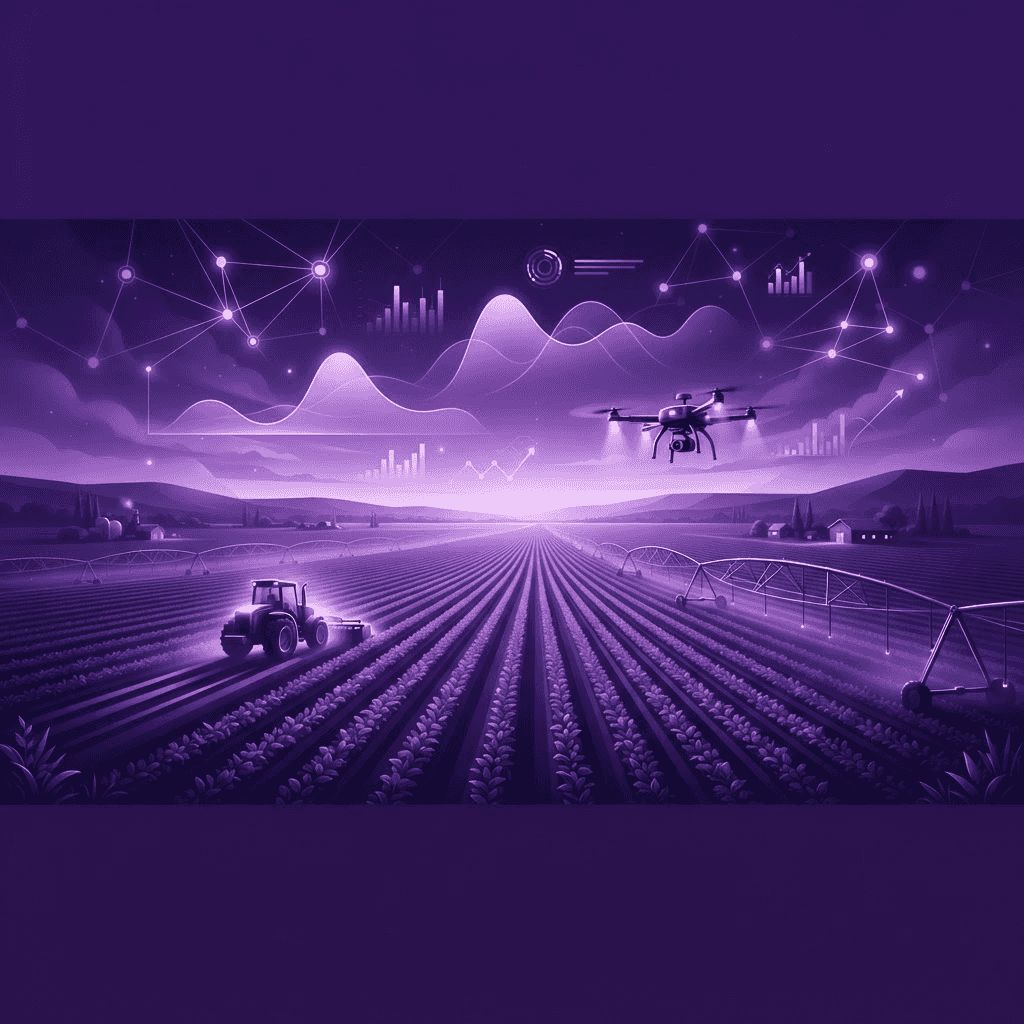
Precision agriculture has scaled down effectively. Soil moisture sensors, variable rate application, and satellite or drone imagery are no longer limited to large acreage operations, and small producers use them to reduce input waste. Water savings alone often justify the investment within a season or two.
Controlled environment agriculture continues expanding near population centers because proximity reduces transport time and spoilage. Energy cost remains the central constraint, and operations that pair growing facilities with efficient lighting and climate control economics are the ones that endure.
Direct to consumer channels have matured considerably. Subscription boxes, online ordering with pickup, and restaurant partnerships now represent a substantial share of revenue for specialty producers. These channels demand marketing and logistics capability that traditional farming did not, which is why many successful operations now employ staff dedicated to sales rather than production.
Working With Local Producers
Buyers sourcing from local farms should plan around seasonality honestly. A supplier who promises year round availability of every crop is either using greenhouse production, which should be stated, or supplementing from wholesale channels. Both are legitimate, but clarity matters for menu and marketing claims.
Discuss volume commitments early, since small farms plant according to expected demand and cannot easily scale mid season. Establish quality standards and delivery windows in writing, and be realistic about cosmetic variation, which is normal in field grown produce.
Visiting the operation is worthwhile. Growing practices, sanitation, and post harvest handling are far easier to assess in person than through documentation, and most producers welcome informed buyers.
Final Thoughts
Agriculture near Plano has become smaller in acreage and more sophisticated in practice. The operations profiled above span row crops, market gardens, greenhouse and hydroponic production, livestock, orchards, seed, and pollination services. Water efficiency, soil health, and direct sales relationships define which operations thrive. For buyers, engaging with local producers means accepting seasonality in exchange for freshness, traceability, and a supply chain measured in miles rather than continents.