
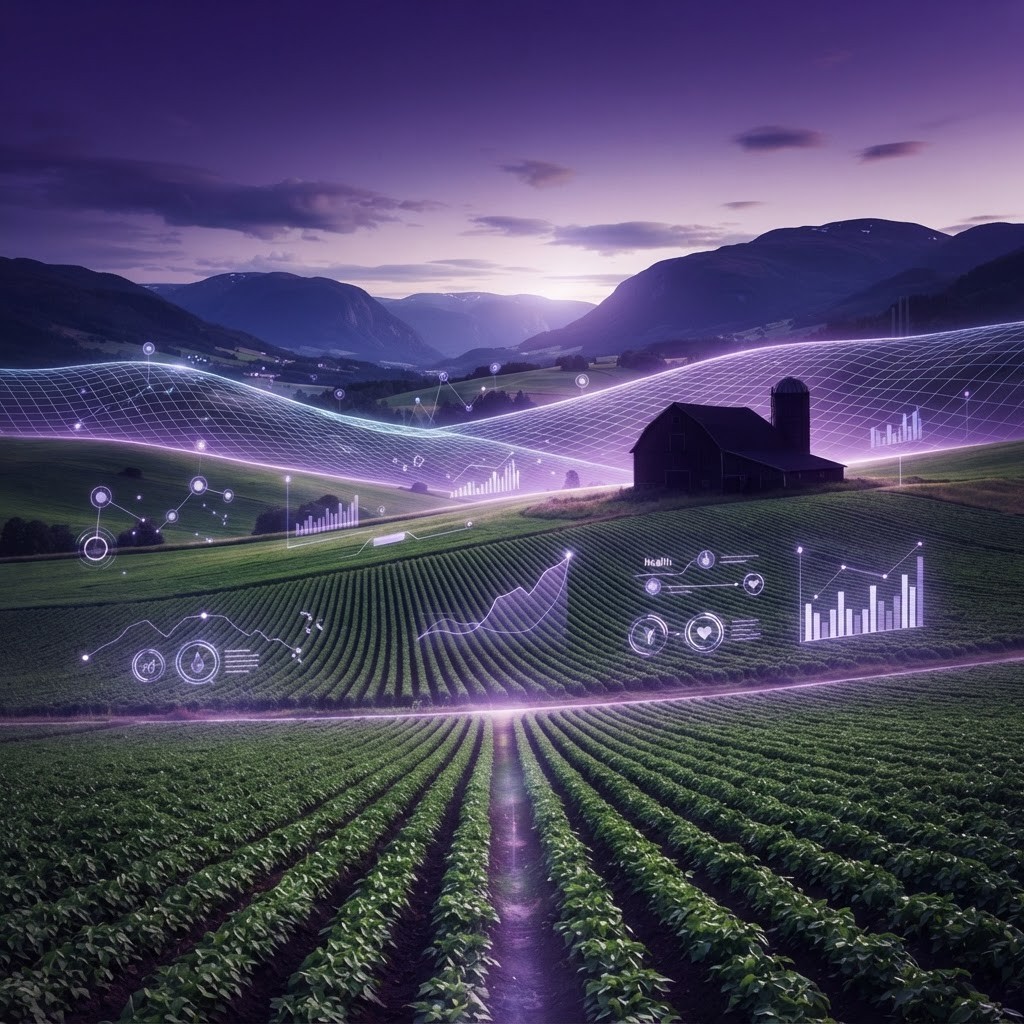
Agriculture in the Land of Fjords
Farming in Norway is defined by its challenging environment. With mountainous landscapes, long winters, and limited arable land, Norwegian agriculture has evolved to prioritize efficiency, cooperation, and resilience. Only a small percentage of the country's total land area is cultivable, yet the sector remains a cornerstone of rural life, food security, and national identity. Government support and a strong cooperative tradition have allowed farming to thrive even in conditions that would deter agriculture elsewhere.
Norwegian farming companies range from large cooperative federations that unite thousands of individual farmers to specialized producers focused on dairy, grain, meat, and horticulture. Together, they form an interconnected system designed to maintain domestic food production and support communities across the country's dispersed regions.
The Cooperative Backbone
One of the defining features of Norwegian agriculture is its reliance on cooperatives. These member-owned organizations pool resources, share knowledge, and provide processing and distribution infrastructure that individual farmers could not sustain alone. This model has proven remarkably effective at balancing the interests of small-scale producers with the demands of a modern food economy.
Leading Farming Companies and Cooperatives
TINE SA is Norway's largest dairy cooperative, owned by thousands of dairy farmers across the country. It processes milk into a wide range of products and plays a central role in the national food supply, combining scale with a strong commitment to quality and animal welfare.
Nortura is the leading meat and egg cooperative, uniting farmers to process and distribute poultry, beef, pork, and lamb. It is a major employer and a vital link between rural producers and urban consumers.
Felleskjøpet Agri supplies farmers with feed, seed, fertilizer, and machinery while also purchasing grain. As a farmer-owned cooperative, it supports the entire agricultural value chain and invests heavily in innovation.
Gartnerhallen is a producer cooperative specializing in fruits, vegetables, and potatoes, connecting horticultural growers with retailers and ensuring fresh domestic produce reaches markets nationwide.
HOFF SA focuses on potato processing, transforming Norwegian-grown potatoes into a variety of food products and starch, supporting growers in key farming regions.
Fjordland produces convenient, ready-made meals using Norwegian ingredients, bridging traditional farming output with modern consumer demand for quality prepared foods.
Norgesfôr is a network of feed mills serving livestock farmers with high-quality animal nutrition products tailored to Norwegian conditions.
Strand Unikorn operates in grain trading and animal feed production, supporting arable farmers and livestock producers alike.
Graminor leads in plant breeding, developing crop varieties adapted to Norway's northern climate and short growing seasons, which is essential for productive and resilient farming.
Findus Norge, while a food processor, works closely with Norwegian growers to source vegetables and other ingredients, forming an important part of the agricultural ecosystem.
Sustainability and Innovation
Norwegian farming companies are increasingly focused on sustainability. Precision agriculture, improved animal welfare standards, and reduced reliance on imported inputs are shaping the sector. Plant breeding efforts aim to develop hardier crops suited to a changing climate, while cooperatives invest in renewable energy and waste reduction across their processing facilities. These initiatives reflect a broader national commitment to environmental responsibility.
Challenges and Opportunities
The sector faces ongoing challenges, including climate variability, an aging farming population, and the economic pressures of operating in a high-cost country. However, opportunities abound in the growing demand for locally produced, traceable, and sustainable food. Consumers increasingly value Norwegian origin, animal welfare, and environmental stewardship, giving domestic producers a meaningful competitive edge.
Conclusion
Norway's farming companies demonstrate how cooperation, innovation, and adaptation can sustain a productive agricultural sector in a demanding environment. From dairy and meat cooperatives to plant breeders and horticultural producers, these organizations ensure food security and support rural communities. As sustainability becomes ever more central to consumer choices, Norwegian farming is well positioned to build on its strong foundation of quality and resilience.