
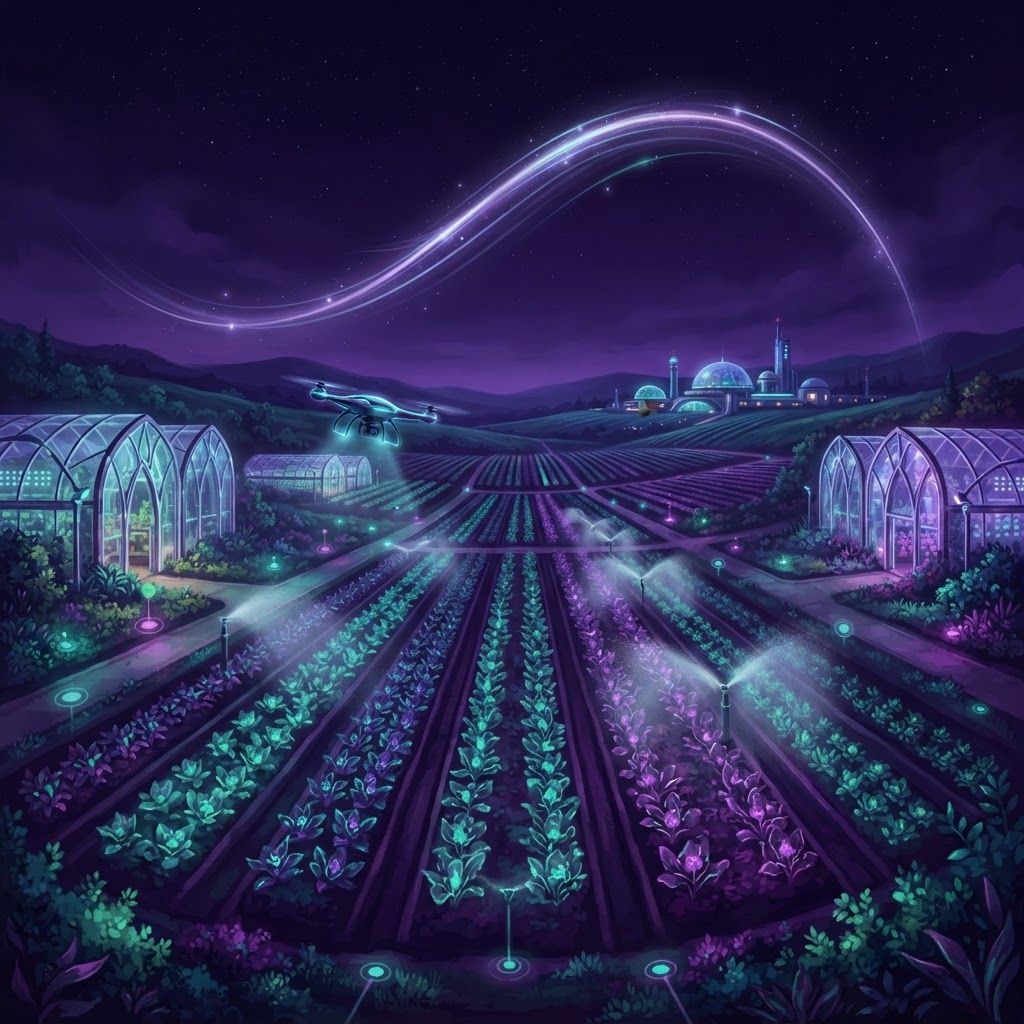
Agriculture in a Suburban Landscape
North Hempstead is densely developed, so farming here looks nothing like the open acreage of eastern Long Island. Instead, agriculture persists in intensive, high-value forms: greenhouse production, nurseries and sod operations, hydroponic and vertical growing, rooftop and community gardens, and specialty producers serving restaurants and farmers markets directly.
This model has real advantages. Proximity to affluent consumers means premium prices for genuinely fresh produce, transport distances are minimal, and controlled environment methods allow year-round harvests independent of weather. The constraints are equally real: land is scarce and expensive, labor costs are high, and zoning limits what is possible on any given parcel.
How These Operations Were Selected
Selection considered production quality, sustainable growing practices, contribution to local food access, innovation in growing methods, educational or community engagement, and reliability as suppliers to restaurants, markets, and retailers.
The Top 10 Farming Companies in North Hempstead
1. North Hempstead Greenhouse Growers
Year-round production of tomatoes, cucumbers, peppers, and leafy greens under glass makes this one of the most productive operations in the town. North Hempstead Greenhouse Growers uses integrated pest management and biological controls, supplying local grocers and restaurants with produce harvested within hours of delivery.
2. Great Neck Hydroponic Farms
Soil-free production of lettuces, herbs, and microgreens in stacked systems delivers consistent quality with dramatically reduced water use. Great Neck Hydroponic Farms sells to chefs who value the reliability of specification-matched product week after week.
3. Manhasset Nursery & Plant Growers
Ornamental trees, shrubs, perennials, and annuals are grown for landscapers, garden centers, and municipal plantings. Manhasset Nursery & Plant Growers emphasizes regionally appropriate and native species, which perform better and require less irrigation once established.
4. New Hyde Park Urban Agriculture Co.
Converting underused lots and rooftops into productive growing space, New Hyde Park Urban Agriculture Co. combines vegetable production with job training and youth education. Its output supports community food programs alongside commercial sales.
5. Roslyn Organic Produce Farms
Certified organic vegetables and small fruits are grown on intensively managed plots with cover cropping and composting. Roslyn Organic Produce Farms operates a subscription share program that builds direct, predictable relationships with local households.
6. Williston Herb & Specialty Crop Farm
Culinary herbs, edible flowers, and specialty crops requested by chefs define this grower. Williston Herb & Specialty Crop Farm's willingness to trial unusual varieties on request has made it a favorite among ambitious restaurant kitchens.
7. Port Washington Aquaponic Farms
Combining fish culture with vegetable production, this operation recirculates nutrients between tanks and growing beds. Port Washington Aquaponic Farms achieves impressive resource efficiency and serves as a working demonstration of closed-loop production.
8. Albertson Sod & Turf Growers
Cultivated turf for residential lawns, athletic fields, and commercial landscapes is harvested and delivered fresh. Albertson Sod & Turf Growers offers cultivar guidance for shade tolerance and reduced water requirements, an increasingly common request.
9. Searingtown Apiary & Pollinator Farm
Honey production, hive management, and pollination services support both agriculture and residential gardens. Searingtown Apiary & Pollinator Farm also runs education programs on pollinator habitat, which has measurably influenced local landscaping choices.
10. Herricks Community Farm Cooperative
A cooperative model uniting small growers for shared marketing, equipment, and distribution, Herricks Community Farm Cooperative gives very small producers access to wholesale channels they could not reach individually while keeping farming viable on small parcels.
Innovations and Trends
Controlled environment agriculture continues to advance rapidly. LED lighting efficiency, climate automation, and improved nutrient management have made indoor and greenhouse growing competitive on quality even where land costs are high, and North Hempstead's proximity to consumers makes the economics work.
Water stewardship has become central. Recirculating hydroponic and aquaponic systems can use a small fraction of the water required by field production, while drip irrigation and soil moisture sensing have improved efficiency in traditional growing.
Direct-to-consumer channels have strengthened considerably. Farmers markets, subscription shares, and restaurant partnerships allow growers to capture more value than wholesale distribution alone, and consumers increasingly want to know exactly where their food originated. Regenerative practices such as cover cropping, composting, and reduced tillage are gaining ground even in small-scale operations because soil health directly affects yields.
Supporting Local Agriculture
For residents, buying directly from local growers keeps farmland in production and supports genuinely fresh food. Seasonal eating also delivers better flavor and nutrition than long-distance shipped produce.
For restaurants and retailers, building relationships with local growers requires flexibility on volume and seasonality but rewards you with quality and a credible sourcing story. Committing to purchase plans in advance helps growers plan plantings and reduces waste.
For policymakers and property owners, protecting remaining agricultural parcels and permitting rooftop and indoor growing expands local food capacity. In a town as densely built as North Hempstead, every productive square foot represents meaningful resilience in the regional food system.