
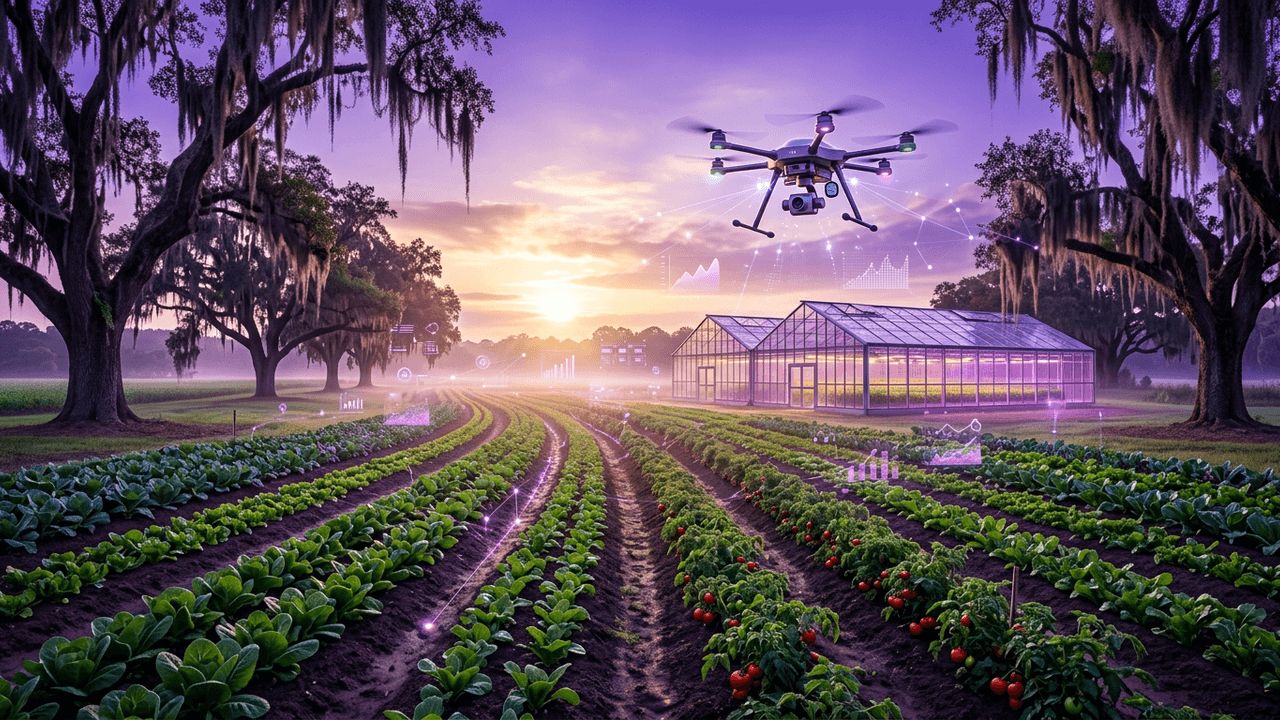
Agriculture in the North Charleston Area
While North Charleston is best known for its port, aerospace manufacturing and logistics industries, the surrounding Lowcountry has a deep agricultural heritage that dates back centuries. Today, the region's warm climate, long growing season and fertile sea island soils support a vibrant mix of family farms, produce distributors and specialty growers. The Charleston area's nationally recognized restaurant scene has also fueled demand for locally grown vegetables, fruits, herbs and proteins.
This guide highlights ten farming companies and agricultural businesses that supply North Charleston residents, restaurants and grocers. Each was selected for its quality, sustainability practices, community involvement and contribution to the local food system.
The Top 10 Farming Companies Serving North Charleston
1. Limehouse Produce
Based in North Charleston, Limehouse Produce is a leading produce distributor that connects local and regional farms with restaurants, schools and institutions. The company is known for its commitment to sourcing from South Carolina growers whenever possible, making it an essential link in the Lowcountry farm-to-table chain.
2. Ambrose Family Farm
Located on Wadmalaw Island, Ambrose Family Farm is one of the most recognized farms in the Charleston region. The family grows a wide range of vegetables, berries and flowers and operates a popular farm stand. Its community supported agriculture program delivers seasonal boxes to households across the metro area, including North Charleston.
3. Rosebank Farms
Rosebank Farms on Johns Island has supplied Charleston chefs and shoppers for decades. Known for heirloom tomatoes, okra, greens and specialty crops, the farm has a strong reputation among local restaurants and farmers market visitors for flavor and freshness.
4. Boone Hall Farms
Boone Hall Farms in Mount Pleasant combines a working farm with a farm market, offering strawberries, peaches, pumpkins and seasonal produce. Its pick-your-own events and agritourism programs make it a favorite destination for North Charleston families seeking an authentic farm experience.
5. Legare Farms
Legare Farms on Johns Island is one of the oldest family farms in the area, with a history stretching back to the 1700s. The farm produces vegetables, pastured meats and seasonal products and is known for its educational programs that teach children about agriculture and Lowcountry history.
6. GrowFood Carolina
GrowFood Carolina is a nonprofit food hub that helps small and mid-sized farmers reach wholesale markets. By handling aggregation, marketing and distribution, it enables local farms to sell to grocery stores and restaurants that might otherwise rely on out-of-state produce, strengthening the entire regional economy.
7. Kennerty Farm
Kennerty Farm on Wadmalaw Island focuses on sustainably grown vegetables, herbs and cut flowers. The farm emphasizes soil health and regenerative practices, appealing to conscious consumers and chefs who value both quality and environmental stewardship.
8. Joseph Fields Farm
Joseph Fields Farm on Johns Island is a respected certified organic operation run by a multi-generation farming family. Its produce is a staple at regional farmers markets, and the farm is celebrated for preserving African American agricultural heritage in the Lowcountry.
9. Spade and Clover Gardens
Spade and Clover Gardens on Johns Island grows produce using intensive, sustainable methods and is known for exceptionally fresh greens, root vegetables and specialty crops. The farm supplies restaurants and offers subscription boxes to local households.
10. Lowcountry Street Grocery
Lowcountry Street Grocery is a mobile farmers market that brings fresh local food directly into neighborhoods, including areas with limited grocery access. By partnering with area farms, it helps expand access to healthy food while supporting regional growers.
Trends in Lowcountry Agriculture
Farmers around North Charleston are embracing regenerative agriculture, hydroponic and greenhouse growing, and direct-to-consumer sales through subscription boxes and online ordering. Agritourism continues to grow as residents and visitors seek hands-on experiences. Climate resilience is also a priority, with farms investing in drainage, cover crops and heat-tolerant varieties to manage hotter summers and heavy rainfall.
Benefits of Buying from Local Farms
Supporting local farms delivers fresher produce with better flavor and nutrition, since crops travel shorter distances. It also keeps money in the regional economy, preserves farmland from development pressure and reduces the environmental footprint of food transportation. For restaurants, local sourcing provides a compelling story that resonates with diners.
How to Choose a Farming Partner
Consider your needs, whether you are a household seeking a CSA share or a restaurant needing consistent wholesale volume. Ask about growing practices, certifications, delivery schedules and seasonal availability. Visiting farmers markets is a great way to meet growers, taste products and build relationships before committing to a subscription or supply agreement.
The Economic Role of Agriculture Near North Charleston
Agriculture remains an important economic engine for the tri-county region even as industrial and residential development expands. Local farms create jobs, support related businesses such as equipment dealers, feed stores and distributors, and supply the restaurants that draw visitors to the Charleston area. Food hubs and distributors based in North Charleston play a central role by giving small growers access to larger buyers that require consistent volume, food safety documentation and reliable delivery. Preserving farmland in fast-growing areas like Berkeley and Dorchester counties is becoming a regional priority, and many residents now view buying local as a practical way to protect open space and the Lowcountry's rural character.
Final Thoughts
The farming companies serving North Charleston combine tradition with innovation, keeping Lowcountry agriculture strong in a rapidly growing region. Whether you shop at a farm stand, join a CSA or source produce for a business, these farms and food hubs offer outstanding quality and a meaningful connection to the land.