
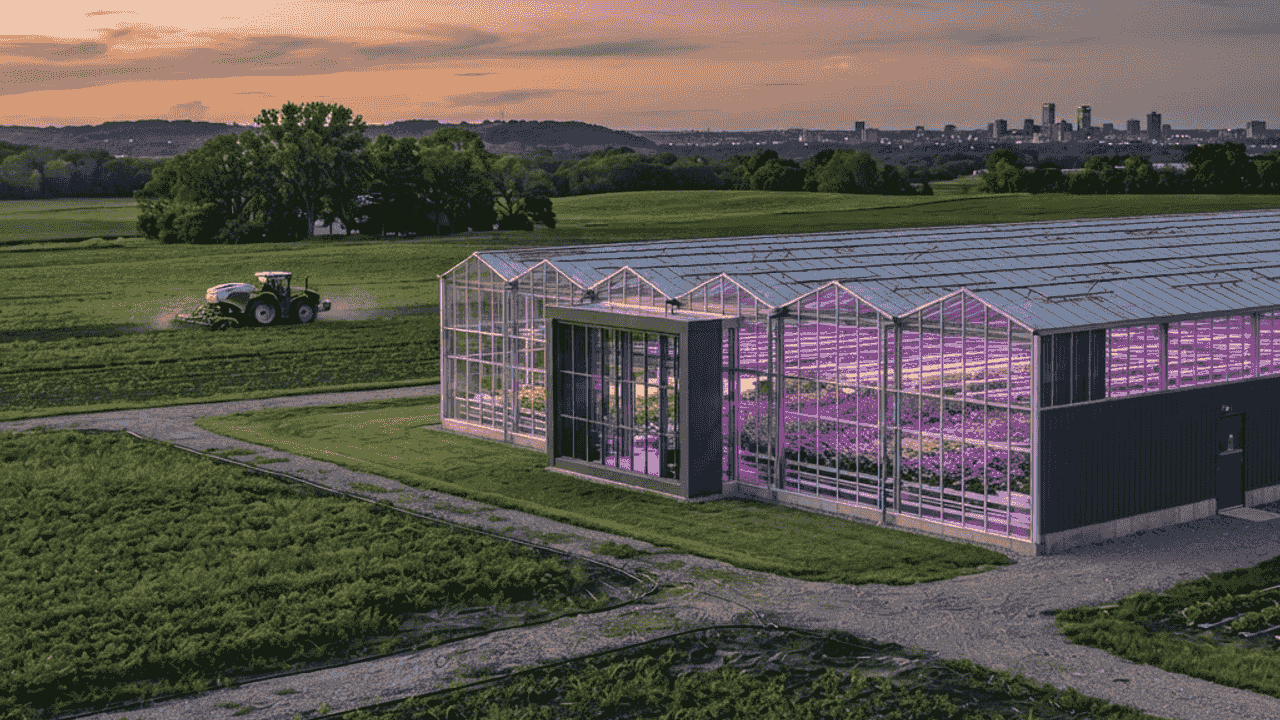
Agriculture in the Milwaukee Region
Wisconsin's reputation as an agricultural powerhouse extends into the Milwaukee area, where a fascinating mix of urban farming ventures and traditional rural operations coexist. While the city itself is known for industry and commerce, the surrounding region and even pockets within the metro area support a growing agricultural movement that emphasizes fresh, local food and sustainable production methods.
Farming companies serving Milwaukee range from high-tech indoor growers to established family farms in the outlying counties. Together they supply restaurants, grocers, farmers markets, and community programs with produce, dairy, and specialty crops, reinforcing the city's connection to Wisconsin's fertile heartland.
Innovative Urban and Controlled-Environment Farming
One of the most exciting developments in the region is the rise of controlled-environment agriculture. Valor Farms, for example, operates as a hydroponic and aquaponic farming company, growing produce in carefully managed indoor systems that use water and nutrients efficiently while reducing dependence on weather and soil conditions. Nearby, Sol'Mar Aquaponics in North Prairie operates as a local food producer using integrated aquaponic methods.
These operations reflect a broader trend toward year-round, resource-efficient farming close to urban consumers. By growing food locally and indoors, these companies can deliver fresh produce with minimal transportation, extended growing seasons, and reduced environmental impact.
Traditional Farms and Large-Scale Production
Beyond urban innovation, the wider region benefits from established agricultural operations. Companies such as Wysocki Family Farms handle large-scale potato production, illustrating the scale and sophistication of Wisconsin's traditional farming sector. These operations combine generations of expertise with modern equipment and agronomic science to produce staple crops efficiently and reliably.
This blend of large-scale conventional farming and smaller specialty operations gives the Milwaukee region a diverse and resilient food system, capable of serving both commodity markets and the growing demand for local, specialty produce.
Industry Trends Shaping Regional Farming
Several trends are transforming farming in and around Milwaukee. Consumer demand for locally grown, traceable food continues to rise, encouraging farms to build direct relationships with restaurants, grocers, and consumers. Sustainability practices, including water conservation, reduced chemical inputs, and regenerative soil management, are increasingly central to how farms operate and market themselves.
Technology is another driver. Precision agriculture, data-driven crop management, and controlled-environment systems are improving yields and efficiency while reducing waste. These innovations help farms remain competitive and environmentally responsible in a challenging economic climate.
Benefits to the Community
Local farming companies deliver significant benefits to the Milwaukee community. They provide fresh, nutritious food, support local jobs, and strengthen regional food security. Urban and controlled-environment farms also contribute to community education, offering opportunities for residents to learn about where their food comes from.
Farms that engage directly with the community through markets, subscriptions, and partnerships help build a stronger, more connected local food economy, keeping dollars circulating within the region and fostering appreciation for agriculture.
Looking Ahead
The future of farming in the Milwaukee region looks dynamic and promising. As demand for local, sustainable food grows, both innovative indoor growers and established traditional farms are poised to expand and evolve. Continued investment in technology, sustainability, and community engagement will shape a food system that is both productive and resilient.
The best farming companies serving Milwaukee distinguish themselves through quality, innovation, and commitment to their community. Whether pioneering hydroponic systems or stewarding generational farmland, these operations are cultivating a vibrant agricultural future for the region.
How to Evaluate the Organizations in This Guide
A useful ranking should be treated as a starting point rather than a substitute for careful evaluation. Needs vary by buyer, project, budget, and neighborhood, so the best fit is often the organization whose capabilities align most closely with a reader's priorities. Reputation, years of service, responsiveness, transparency, and demonstrated knowledge of the Milwaukee market are all meaningful signals. Prospective customers or supporters should also consider how clearly an organization explains its processes, how consistently it delivers on commitments, and whether its team can answer detailed questions without pressure.
Milwaukee-specific experience matters because local conditions shape demand. Winter weather, regional transportation patterns, the city's industrial heritage, and the needs of surrounding southeastern Wisconsin communities can all influence service, inventory, timing, and outcomes. Organizations with strong local relationships are often better prepared to anticipate these factors. At the same time, larger regional or national operators may bring broader resources, specialized technology, and greater purchasing power. Comparing both types creates a more balanced shortlist.
Before making a final decision, readers should define their must-have requirements and compare several candidates using the same criteria. For commercial purchases, this may include lead times, minimum orders, warranties, delivery coverage, quality controls, and after-sale support. For services or community organizations, it may include program effectiveness, accessibility, financial stewardship, and measurable local impact. Asking for current documentation, references, or a clear scope of work can prevent misunderstandings.
The Milwaukee market continues to evolve, and availability, leadership, programs, and product lines may change over time. A thoughtful review of current capabilities will help readers turn this guide into a practical decision-making tool. The strongest organizations are rarely defined by a single feature; they earn trust through a combination of quality, consistency, local understanding, and long-term value.