
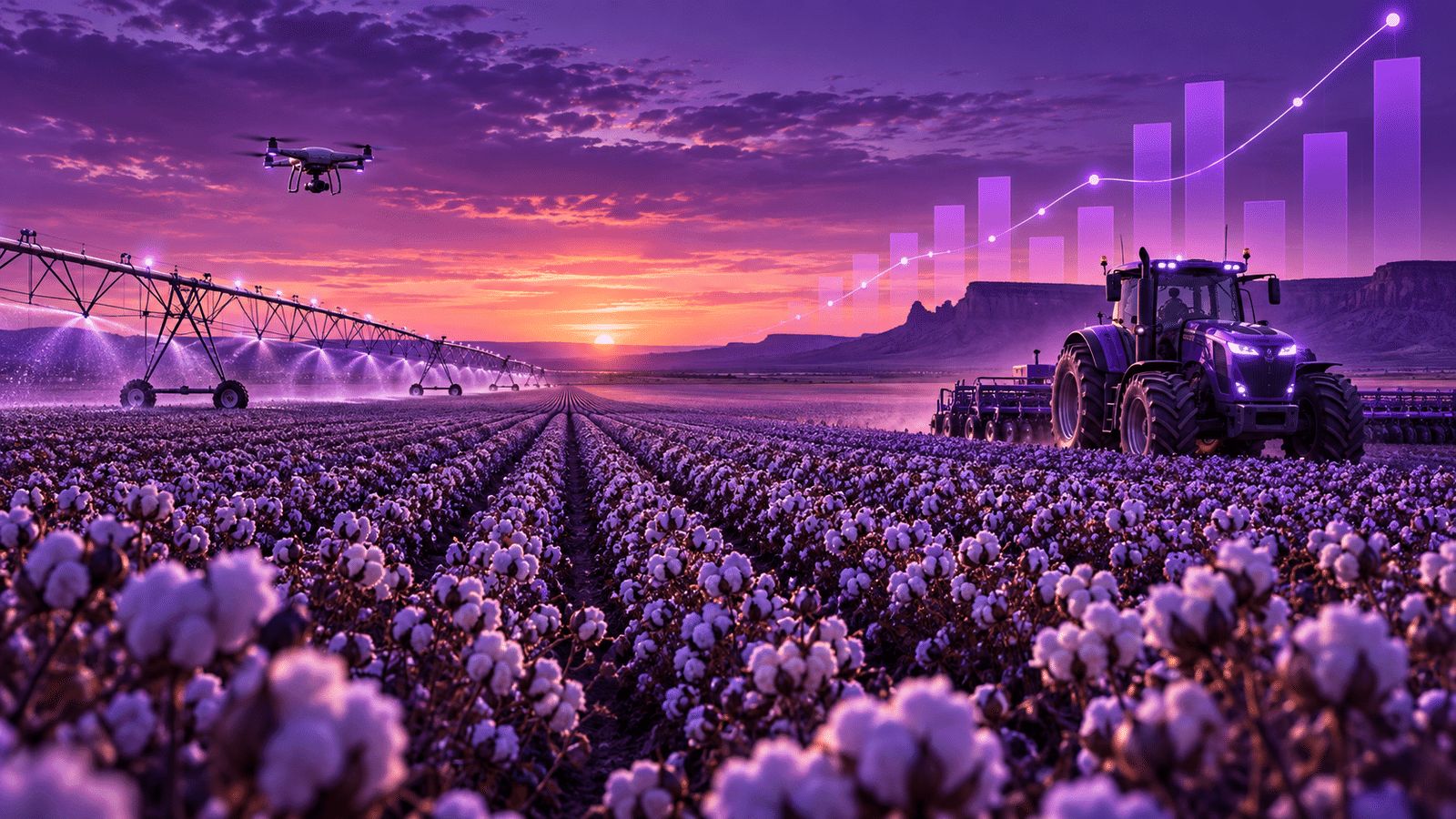
Agriculture in the Heart of the Permian Basin
Midland is best known for oil and gas, but agriculture has shaped the surrounding landscape for well over a century. Long before the first oil wells were drilled, ranchers grazed cattle across the open plains and farmers planted cotton, sorghum, and wheat in the red soils of Midland and neighboring counties. Today, farming remains an important part of the regional economy, supporting rural families, feeding livestock, supplying textile markets, and preserving the cultural identity of West Texas.
Farming in this semi-arid region is not easy. Rainfall averages roughly fifteen inches a year, summers are hot, and spring winds can strip moisture from the soil in a matter of days. The companies and operations that succeed here combine generations of practical knowledge with modern technology, including precision irrigation, drought-tolerant varieties, conservation tillage, and data-driven management.
How We Selected These Farming Companies
We considered reputation within the agricultural community, longevity, sustainability practices, adoption of technology, contribution to the local economy, and the range of services or products offered. The list includes working farms and ranches, agricultural cooperatives, and agribusiness companies that support producers throughout the Midland region.
The Top 10 Farming Companies in Midland
1. Plains Cotton Cooperative Association
As one of the largest cotton marketing cooperatives in the country, Plains Cotton Cooperative Association helps West Texas growers sell their crop into domestic and international markets. Its marketing pools, warehousing, and market intelligence give Midland-area farmers access to stable pricing and professional risk management.
2. Midland County Farmers Cooperative Gins
Local cooperative gins are essential links in the cotton supply chain. These farmer-owned facilities clean, gin, and bale seed cotton each fall, returning profits to member growers. Their modern equipment and experienced crews help maximize fiber quality and turnout.
3. Scharbauer Ranch Heritage Operations
The Scharbauer name is woven into Midland history. Ranching operations associated with the family have long managed cattle across large tracts of West Texas rangeland, emphasizing careful grazing management, water conservation, and sound animal husbandry.
4. Permian Basin Pecan Growers
Irrigated pecan orchards thrive in parts of West Texas where water is available. Regional pecan growers produce high-quality nuts for retail, baking, and wholesale markets, and many operate on-site cleaning and cracking facilities that support local employment.
5. West Texas Hay and Forage Producers
With cattle, horses, and dairy operations across the region, dependable hay supply is critical. Local forage producers grow and bale alfalfa, Bermuda grass, and sorghum-sudan hay, delivering to ranches and feed stores across Midland and surrounding counties.
6. Triple R Farms
Diversified family farms such as Triple R Farms grow cotton, grain sorghum, and wheat while running cattle on stubble and pasture. This integrated approach spreads risk across multiple enterprises and makes efficient use of land and resources.
7. Texas Grain Sorghum Growers
Grain sorghum is one of the most drought-tolerant crops available to West Texas farmers. Producers in the Midland area grow sorghum for livestock feed, ethanol, and export markets, often rotating it with cotton to improve soil health and break pest cycles.
8. Desert Bloom Greenhouses
Controlled-environment agriculture is growing in the region. Greenhouse operations produce vegetables, herbs, bedding plants, and landscape material year-round, using efficient irrigation and climate control to overcome harsh outdoor conditions.
9. Permian Beef Ranches
Cow-calf and stocker operations remain a cornerstone of West Texas agriculture. Local ranches focus on quality genetics, rotational grazing, and humane handling, selling calves into regional auction barns and feedlot programs.
10. Midland Community Farm Initiatives
Small-scale produce farms and community gardening programs are expanding across Midland. These growers supply farmers markets, restaurants, and families with fresh tomatoes, peppers, squash, melons, and herbs, strengthening local food access.
Key Trends Shaping Farming Around Midland
Water management is the single biggest issue facing agriculture in the Permian Basin. Farmers increasingly use drip irrigation, low-pressure center pivots, and soil moisture sensors to stretch every gallon. Many are shifting acreage toward dryland production or drought-tolerant crops when groundwater becomes limited.
Precision agriculture is also transforming operations. GPS-guided tractors, variable-rate seeding, yield mapping, and drone scouting help growers apply inputs exactly where they are needed. These tools reduce waste, lower costs, and improve environmental outcomes.
Soil health practices are gaining momentum as well. Cover crops, reduced tillage, and crop rotation help protect fragile soils from wind erosion, build organic matter, and improve water infiltration. Conservation programs offered through state and federal agencies make it easier for producers to adopt these practices.
The Relationship Between Oil and Agriculture
In Midland, farming and energy often share the same land. Many landowners receive mineral royalties or surface damage payments that help stabilize farm income during difficult crop years. At the same time, the oil industry competes with agriculture for labor, water, and infrastructure. Successful farming companies navigate this relationship carefully, protecting soil and water while benefiting from the economic opportunities energy development brings.
Why Local Farming Matters
Local agriculture contributes far more than crops and cattle. It supports equipment dealers, seed suppliers, feed stores, veterinarians, and lenders. It preserves open space and wildlife habitat, and it keeps rural traditions alive for younger generations. Organizations such as FFA and 4-H programs in Midland schools continue to introduce students to agricultural careers and leadership.
Conclusion
Farming in Midland demands resilience, innovation, and deep respect for the land. The companies and operations highlighted here demonstrate how West Texas agriculture continues to adapt, combining time-tested knowledge with modern technology. Whether you are a buyer seeking quality cotton, beef, or hay, a landowner exploring partnerships, or simply someone who values local food, these farming companies represent the best of agriculture in the Midland region.