
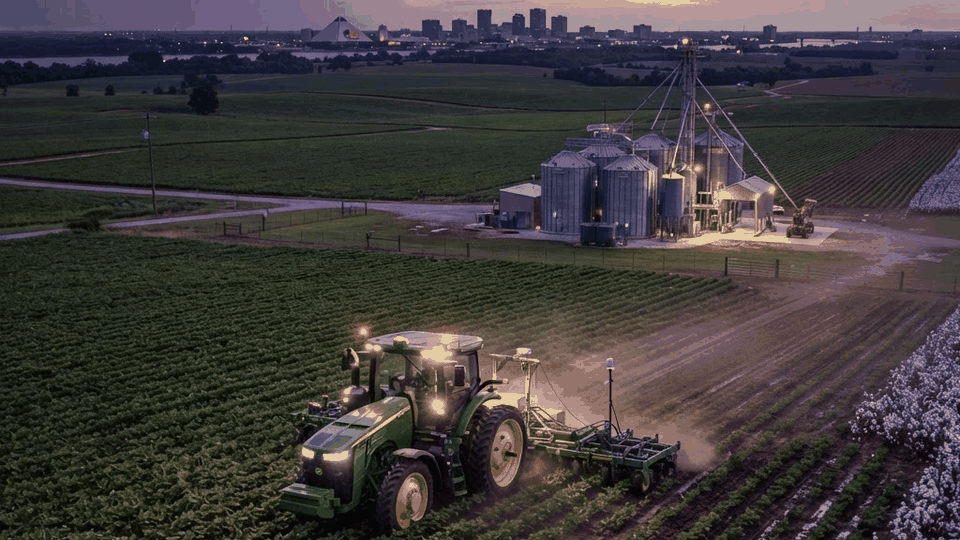
Memphis and the Heart of Delta Agriculture
Memphis sits at the northern edge of the Mississippi Delta, one of the most productive agricultural regions in the United States. The surrounding land has supported generations of farmers growing cotton, soybeans, corn, and rice, and the city itself has grown into a commercial center where farming companies manage operations, source equipment, and connect with regional and national markets. For anyone involved in agriculture across the Mid-South, Memphis is both a marketplace and a support system.
The farming companies operating in and around Memphis range from large row-crop enterprises to specialized operations focused on livestock, produce, and value-added products. Together they form an ecosystem that feeds not only the local population but customers well beyond Tennessee's borders.
What Defines a Leading Farming Company
The most respected farming companies in the Memphis area combine scale with careful stewardship of the land. Strong operations invest in soil health, crop rotation, and water management to keep their acreage productive year after year. They also embrace efficiency, using modern equipment and data to make the most of every growing season.
Reliability is another hallmark. Buyers, processors, and distributors depend on farming companies to deliver consistent quality and volume. The companies that earn long-term contracts are those that plan carefully, manage risk, and communicate clearly with their partners throughout the season.
Key Segments of the Memphis Farming Industry
Row crops dominate the regional landscape, with soybeans, corn, cotton, and rice forming the backbone of many operations. These crops benefit from the Delta's rich alluvial soil and the region's long growing season. Beyond row crops, livestock operations raise cattle and poultry, supplying meat and related products to local and regional markets.
Specialty and diversified farms are also growing in number. Some focus on fresh produce for farmers markets and restaurants, while others explore niche products that command premium prices. This diversity strengthens the overall agricultural economy and gives the region resilience against market swings in any single commodity.
Technology and Precision Agriculture
One of the most significant shifts in Memphis-area farming is the adoption of precision agriculture. GPS-guided equipment, soil sensors, and data analytics allow farming companies to apply water, seed, and nutrients exactly where they are needed. This reduces waste, lowers costs, and improves yields, all while lessening the environmental impact of farming.
Drones and satellite imagery help farmers monitor crop health across large fields, catching problems like pests or irrigation issues before they spread. The farming companies that invest in these tools tend to be more competitive and better prepared for the challenges of a changing climate.
Sustainability and Land Stewardship
Sustainability has moved from a buzzword to a business necessity. Leading farming companies in the Memphis region focus on practices that protect the soil and water that make their livelihood possible. Cover cropping, reduced tillage, and responsible fertilizer use help preserve the land for future generations while often improving profitability.
Consumers and buyers increasingly value transparency about how food is grown, and farming companies that can demonstrate responsible practices often find new opportunities in premium markets. This alignment between good stewardship and good business is shaping the next chapter of Memphis agriculture.
Supply Chains and Market Access
Memphis gives agricultural businesses an unusual logistical advantage. Its river, rail, highway, and air-freight connections help companies move grain, fiber, equipment, and inputs efficiently across the country. Successful operators use this access to compare buyers, manage delivery windows, and reduce the risk of depending on one outlet. Nearby storage and processing capacity can also give farms more flexibility over when and how they market a crop.
Strong farming companies plan beyond the field. They maintain relationships with lenders, insurers, agronomists, suppliers, and commodity buyers before the season begins. This network becomes especially valuable when weather delays planting, equipment breaks during harvest, or market prices move unexpectedly. Financial discipline, accurate records, and thoughtful risk management are therefore just as important as crop knowledge.
How to Evaluate a Farming Company
Landowners, buyers, and potential partners should look for a clear operating history, responsible land management, dependable delivery, and transparent business practices. Safety procedures and employee development matter because experienced teams protect both productivity and equipment. It is also useful to ask how an operation measures soil health, controls costs, handles crop residue, and prepares for extreme weather.
Community relationships provide another signal. Farms that communicate with neighbors, support local suppliers, and protect shared water and road resources demonstrate a long-term commitment to the Memphis region. Those habits build trust and often improve an operation's ability to expand responsibly.
The Future of Farming in Memphis
The outlook for farming companies in Memphis is shaped by both opportunity and challenge. Global demand for food continues to rise, and the Delta's productivity positions the region well to meet it. At the same time, weather volatility, labor availability, and input costs require careful management and continued innovation.
The companies best positioned for the future are those that blend the region's deep agricultural heritage with a willingness to adopt new methods. By combining experience, technology, and a commitment to the land, Memphis farming companies continue to play a vital role in feeding the region and beyond.