
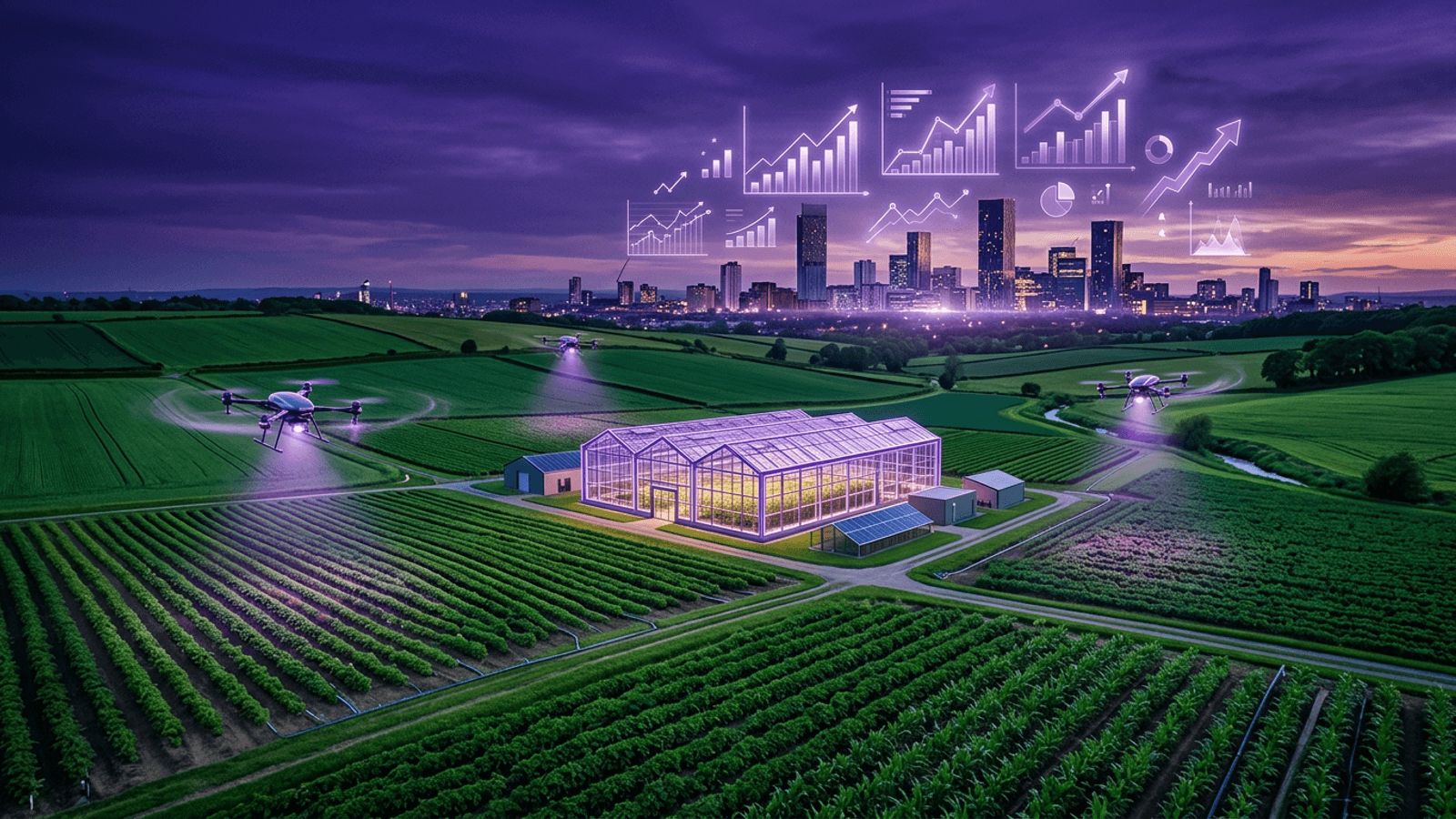
Farming in and Around Manchester
When people think of Manchester, they often picture red-brick mills, music venues and football stadiums. Yet the city sits within a rich agricultural landscape. To the south lies the fertile Cheshire Plain, famous for dairy farming, while Lancashire to the north offers mixed farming and prized cheeses. Within Greater Manchester itself, urban growers and community farms are transforming unused land into productive, sustainable food sources.
This blend of traditional farms and innovative urban projects gives Manchester residents and restaurants access to remarkably fresh produce. The companies below represent the best of this diverse farming community.
The Top 10 Farming Companies Serving Manchester
1. The Kindling Trust
The Kindling Trust is a Manchester-based social enterprise working to build a more sustainable food system. It supports organic growers, trains new farmers and has worked to establish a commercial-scale organic farm for the region. Its mission-driven approach has made it a leading voice for ethical agriculture in the North West.
2. Manchester Veg People
Manchester Veg People is a cooperative of organic growers and buyers. It connects local farmers directly with restaurants, universities and caterers, ensuring growers receive fair prices while buyers get seasonal, freshly harvested vegetables with minimal food miles.
3. Glebelands City Growers
Located in Sale, Glebelands City Growers operates a market garden on the edge of the city. It produces salad leaves and vegetables for local shops, cafes and veg box schemes, proving that productive farming can thrive close to dense urban areas.
4. Sow the City
Sow the City is a Manchester social enterprise that creates growing spaces in schools, communities and healthcare settings. While its focus is education and wellbeing, its work strengthens the local food movement and inspires the next generation of growers.
5. Kenyon Hall Farm
Situated near Warrington, Kenyon Hall Farm is a popular pick-your-own destination with a farm shop and seasonal events. Families from across Greater Manchester visit for strawberries, pumpkins and fresh vegetables, enjoying a direct connection to where their food comes from.
6. Abbey Leys Farm
Abbey Leys Farm in Cheshire is a family-run dairy farm known for its farm shop and high-welfare approach. It produces milk and dairy products from its own herd, giving customers a transparent and traceable source of everyday staples.
7. Claremont Farm
Based on the Wirral, Claremont Farm combines arable growing with a farm shop and cafe. Its seasonal produce and commitment to local sourcing make it a favourite with food lovers across the North West.
8. Cheshire Farm Ice Cream
This family dairy farm in Tattenhall turned its milk into a celebrated ice cream business. It is a great example of farm diversification, adding value to raw produce and creating a destination that draws visitors from Manchester and beyond.
9. Dewlay Cheesemakers
Dewlay is a family business in Lancashire that has been making traditional cheeses for generations. Its creamy Lancashire cheese appears on menus and supermarket shelves throughout Manchester, celebrating the county's rich dairy heritage.
10. Arla Foods
Arla Foods is a farmer-owned dairy cooperative with many member farms across the North West. Its scale and cooperative structure help regional dairy farmers access national markets while maintaining strong standards for animal welfare and sustainability.
Trends Transforming Local Agriculture
Regenerative farming practices are gaining ground, with growers focusing on soil health, biodiversity and reduced chemical inputs. Many farms in the region now plant hedgerows, rotate crops thoughtfully and use cover crops to protect soil between seasons.
Short supply chains are also becoming more popular. Veg box schemes, farm shops and cooperative distribution models let farmers sell directly to consumers and restaurants, capturing more value and building community loyalty.
Technology plays a growing role too. Precision farming tools, soil sensors and data-driven planning help farms improve yields and reduce waste, while urban growers experiment with polytunnels and vertical systems to maximise limited space.
How to Support Local Farming
Manchester residents can support local agriculture by subscribing to a veg box, visiting farm shops, choosing restaurants that source locally and volunteering with community growing projects. Businesses can partner with cooperatives to source seasonal ingredients and tell a compelling sustainability story to their customers.
The Importance of Urban Agriculture
Greater Manchester's urban growing projects deliver benefits that go far beyond food. They create green spaces, improve mental wellbeing, provide training opportunities and bring neighbours together. Projects on former industrial land also help restore biodiversity in parts of the city where nature has been scarce for generations.
Frequently Asked Questions
Where can I buy local produce in Manchester?
Look for veg box schemes, farmers' markets, cooperative grocers and farm shops on the city's fringes. Many restaurants also highlight local suppliers on their menus.
Can I volunteer on a local farm?
Yes. Several community growing projects and social enterprises welcome volunteers, offering a chance to learn practical skills while supporting sustainable food production.
Is organic produce more expensive?
Organic food can cost a little more, but buying seasonally and directly from growers often narrows the gap while providing fresher produce and fairer returns for farmers.
Final Thoughts
The farming community around Manchester is diverse, innovative and deeply connected to the city it feeds. From organic cooperatives and urban market gardens to heritage dairy farms and cheesemakers, these ten companies show that great food starts close to home. Supporting them helps build a more resilient, sustainable and delicious food future for the whole region.