
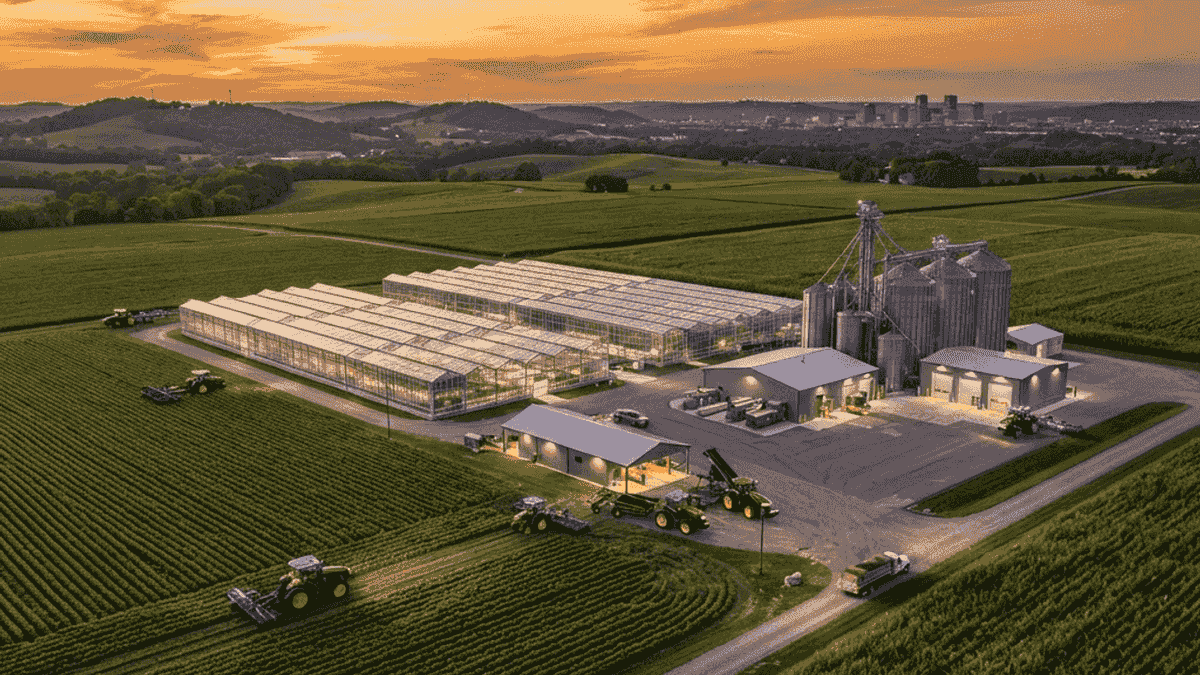
Agriculture Around Louisville
While Louisville is best known as an urban center, the surrounding region is rich with agricultural activity. Farming companies here produce grains, vegetables, livestock, dairy, and specialty products that supply local markets, restaurants, and distributors. Kentucky's fertile land, ample water, and favorable growing climate support diverse operations, from traditional row crops to modern sustainable and specialty farming.
These farming companies play an essential role in the regional economy and food supply. They provide fresh, locally grown products that reduce reliance on distant sources, support farm-to-table dining, and strengthen community food security. Their work also sustains rural livelihoods and preserves the region's deep agricultural heritage.
What Distinguishes the Best Farming Companies
Leading farming companies combine productivity with quality and responsible stewardship. They invest in healthy soil, efficient water use, and sound animal husbandry to produce consistent, high-quality output season after season. This commitment to quality earns the trust of buyers ranging from grocers and restaurants to wholesale distributors.
Adaptability is another hallmark. The best operations embrace modern techniques, diversify their products, and respond to shifting market demands. Whether adopting precision agriculture, expanding into specialty crops, or strengthening direct-to-market sales, top farming companies continually evolve to remain resilient and profitable.
Leading Farming Companies in the Louisville Region
Bluegrass Family Farms is known for diversified crop production and a strong commitment to sustainable practices.
Ohio Valley Grain Company focuses on grain production and supplies regional distributors and processors.
Derby City Produce Growers specializes in fresh vegetables for local markets and restaurants.
Falls City Livestock Farms raises quality livestock and is respected for its animal care standards.
River City Dairy provides fresh dairy products to the regional market.
Kentuckiana Organic Farms emphasizes certified organic crops and responsible growing methods.
Highland Specialty Crops cultivates specialty and heirloom produce for niche buyers.
Metro Louisville Greenhouses supplies greenhouse-grown produce and plants year-round.
Cardinal Poultry Farms focuses on poultry production with a reputation for quality.
Ohio River Row Crops rounds out the list with large-scale grain and commodity crop production.
Trends Shaping Regional Farming
Sustainability is transforming agriculture across the Louisville region. Practices such as cover cropping, reduced tillage, and efficient irrigation help farms protect soil health and conserve resources while maintaining yields. Consumers and buyers increasingly reward operations that demonstrate environmental responsibility.
Technology is another powerful force. Precision agriculture, data-driven planning, and modern equipment allow farming companies to boost efficiency and reduce waste. At the same time, growing demand for local and traceable food has expanded opportunities for farms that sell directly to markets, restaurants, and community programs.
How to Choose the Right Farming Partner
Buyers such as grocers, restaurants, and distributors should evaluate farming companies on product quality, consistency, and reliability of supply. Freshness and dependable volumes are crucial for businesses that build their menus and shelves around local produce. It also helps to understand a farm's growing practices, certifications, and seasonal availability.
Strong relationships between farms and buyers create mutual benefits. Clear communication about forecasts and seasonal cycles allows farms to plan planting and harvests around real demand, reducing waste and ensuring steady supply. These partnerships strengthen the entire regional food system.
Planning a Successful Louisville Supplier Relationship
Before committing to any of these farming companies, create a written list of must-have specifications, estimated monthly volume, acceptable lead times, and budget limits. This turns an introductory conversation into a useful business discussion and makes competing quotes easier to compare. Louisville buyers should also ask how delivery schedules change during severe weather, holiday peaks, major local events, or seasonal demand. A supplier with a realistic contingency plan can be more valuable than one offering the lowest initial quote.
Request clear details about minimum orders, payment terms, damaged-goods procedures, warranties, and any charges that may not appear in the unit price. Freight, handling, rush service, and restocking costs can materially change the final value of an order. When possible, inspect samples or place a controlled first order before shifting a large share of purchasing. Track accuracy, condition, timeliness, and communication so the decision rests on measurable performance rather than promises.
Why Local and Regional Sourcing Matters
Working with suppliers serving Louisville can shorten replenishment cycles and make problem solving more direct. Local knowledge is particularly useful when demand is affected by the city's hospitality calendar, construction activity, school schedules, manufacturing cycles, and the needs of businesses on both sides of the Ohio River. Regional sourcing can also reduce freight exposure and make smaller, more frequent orders practical, helping buyers carry less excess inventory.
That does not mean location should outweigh quality or value. The strongest purchasing strategy compares total landed cost, dependable availability, service, and product suitability. Many businesses benefit from naming one primary supplier and maintaining a qualified secondary source for critical items. Regular performance reviews, honest forecasts, and prompt communication help both parties plan capacity and resolve issues before they disrupt customers.
Final Thoughts
The farming companies serving the Louisville region provide fresh, high-quality food while supporting the local economy and preserving agricultural traditions. The operations featured here stand out for their quality, stewardship, and adaptability, but the right partner depends on each buyer's specific product and volume needs. By choosing thoughtfully and building lasting relationships, buyers can secure dependable local supply and champion the region's vibrant farming community.