
Agriculture in the Bluegrass Region
Few American cities are as closely identified with agriculture as Lexington. The limestone-rich soils that made the region famous for horse breeding also support pasture, hay, grain and specialty crops, and the surrounding counties contain a dense concentration of working farms. Agriculture here is not a fringe activity on the city's edge; it is woven into the local economy, land use patterns and identity.
The sector has changed considerably over the past two decades. As tobacco's dominance receded, growers diversified into grains, beef cattle, poultry, vegetables, hemp, wine grapes and direct-to-consumer produce. At the same time, precision technology moved from novelty to necessity, with soil sampling, variable-rate application and yield mapping now common on mid-sized operations. The farming companies that lead the region combine that technical sophistication with genuine agronomic experience of local conditions.
Ten Farming Companies Making an Impact
1. Bluegrass Pasture and Forage Company manages hay and pasture production at scale, supplying equine and cattle operations with consistent, tested forage. Nutritional analysis and cutting discipline distinguish it in a market where hay quality varies widely.
2. Commonwealth Grain Growers produces corn, soybeans and wheat across the surrounding counties, using precision planting, cover cropping and controlled traffic to protect soil structure while maintaining yield.
3. Elkhorn Creek Cattle Company runs a cow-calf and finishing operation focused on rotational grazing, which improves pasture recovery and reduces reliance on purchased feed. Its beef reaches regional restaurants and direct customers.
4. Keeneland Equine Land Management specializes in the agronomy behind horse farms: pasture renovation, weed control, soil amendment and fencing-aware field layout. It is a niche that exists almost uniquely in this region.
5. Central Kentucky Produce Growers supplies vegetables and small fruit to grocers, restaurants and farmers markets, using high tunnels and staged planting to extend the season well beyond the traditional summer window.
6. Thoroughbred Poultry Farms operates layer and broiler production with attention to biosecurity and welfare standards, serving regional distributors and local food programs.
7. Signal Hill Hemp and Fiber Farms cultivates industrial hemp for fiber and grain markets, an area that has matured from speculative to disciplined as processing capacity in the state has developed.
8. Bourbon Trail Grain Partners grows and contracts the corn, rye and barley that supply Kentucky's distilling industry, coordinating variety selection and moisture management to meet distillery specifications.
9. Blue Line Dairy Cooperative represents a group of family dairies pooling milk volume, handling logistics and quality testing collectively to remain viable against much larger operations.
10. Kentucky Regenerative Farm Collective completes the list as a network of growers applying no-till, diverse rotations, integrated livestock and reduced input practices, sharing equipment and data across member farms.
Trends Shaping Local Farming
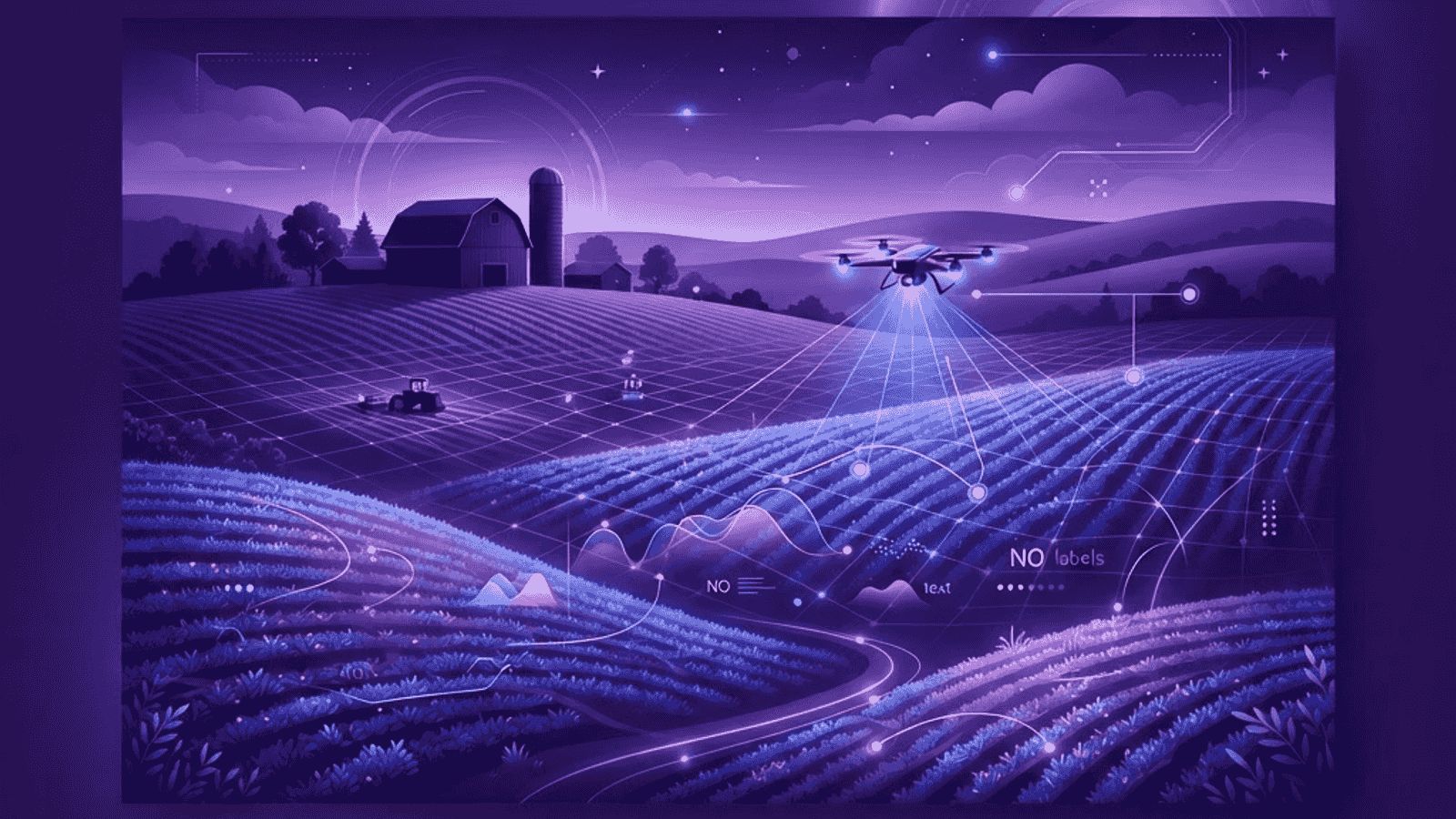
Precision agriculture is the most consequential shift. Satellite imagery, soil electrical conductivity mapping and variable-rate application let growers place fertilizer and seed where they generate return, reducing both cost and runoff. In a watershed-sensitive region, that environmental benefit carries real weight with regulators and neighbors alike.
Soil health has become a management objective rather than an assumption. Cover crops, reduced tillage and diversified rotations improve water infiltration and organic matter, which matters increasingly as rainfall patterns grow less predictable. Direct marketing is a third trend: community-supported agriculture, farm stands and restaurant supply relationships allow growers to capture a larger share of the retail dollar.
Labor remains the persistent constraint. Mechanization, better retention practices and cooperative labor sharing are all part of the response, and technology adoption is often driven as much by workforce scarcity as by yield ambition. Finally, land pressure around a growing city pushes farmers toward higher-value production per acre and toward conservation easements that protect farmland from development.
What Sets a Strong Farming Operation Apart
Record keeping is a surprisingly reliable indicator. Operations that track inputs, yields, weather and field history by zone make better decisions and can prove practices to buyers who require documentation. Diversification is another marker of resilience: a farm with several revenue streams withstands a bad year in any one crop far better than a single-commodity operation.
Relationships with buyers matter as much as production skill. Growers who understand their customers' specifications, whether a distiller's moisture requirement or a chef's harvest timing, secure better terms and repeat business. Equipment strategy also separates the disciplined from the overextended, since machinery is often the largest capital line on the balance sheet and sharing or custom hiring can outperform outright ownership.
The Outlook for Lexington Agriculture
Central Kentucky's agricultural future looks steady rather than dramatic. The equine sector provides a durable base of demand for forage, land services and support businesses. Distilling anchors grain markets. Local food demand continues to grow among a population that increasingly wants to know where its food originates. Against that backdrop, the farming companies that will prosper are those that measure carefully, invest in soil, diversify sensibly and communicate honestly with the buyers and communities around them. The operations profiled here illustrate what that combination looks like in practice.