
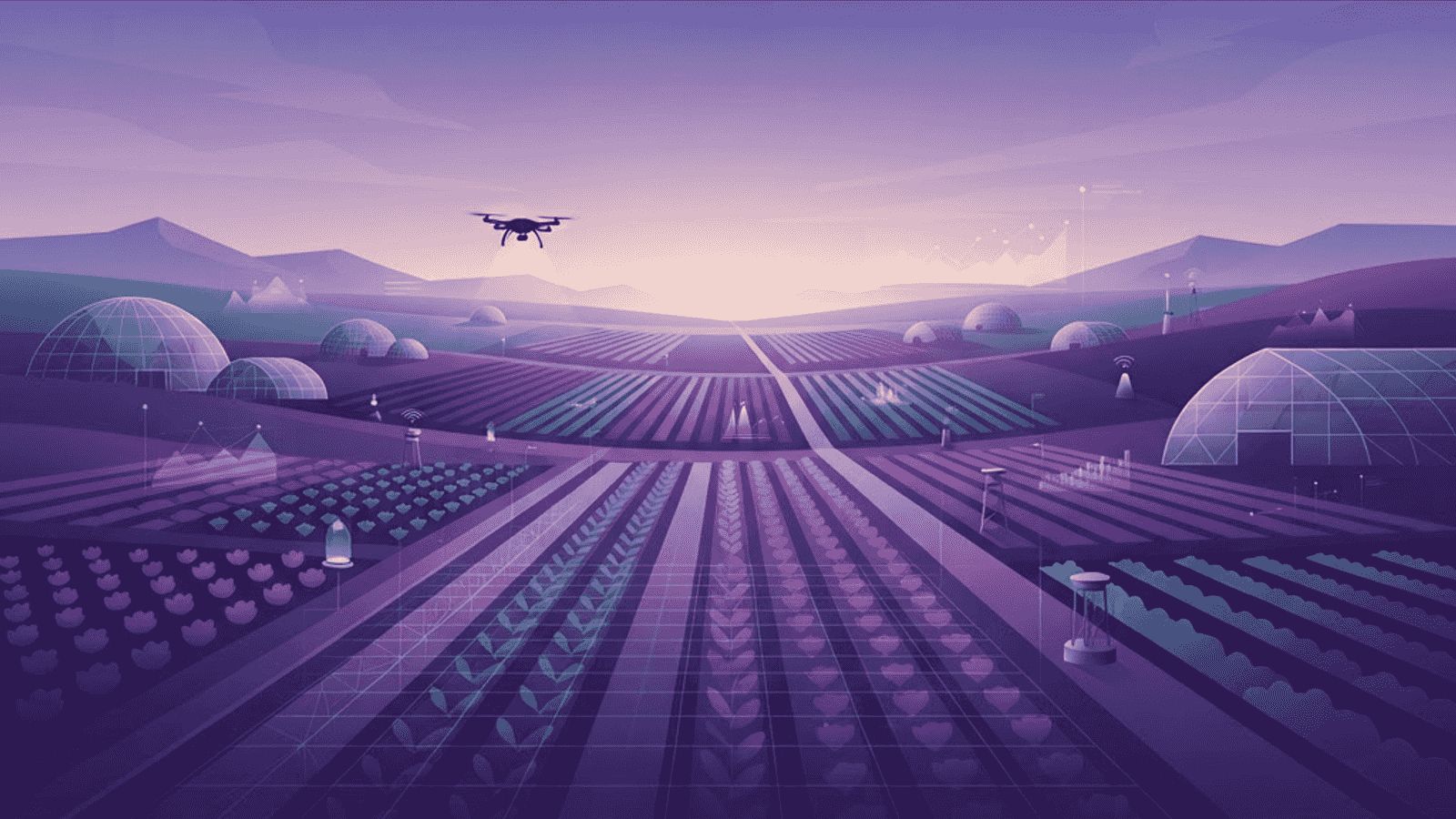
Farming in a Suburban Setting
Agriculture in Islip operates under conditions that would be unfamiliar to growers in the Midwest. Land is expensive, parcels are fragmented, neighbours live close by and groundwater protection is a serious regulatory concern because Long Island depends on a sole-source aquifer. Farms that succeed here do so by producing high-value crops, selling directly to consumers and managing inputs with unusual precision.
The compensating advantage is remarkable. Millions of consumers live within an hour's drive, and demand for local, freshly harvested produce is strong and willing to pay a premium. That proximity turns what would elsewhere be a marginal operation into a viable business, provided the farm builds direct relationships with its market rather than competing on commodity pricing.
Ten Notable Farming Companies Serving the Islip Area
1. Islip Family Farms
A diversified vegetable operation growing sweet corn, tomatoes, squash, leafy greens and pumpkins across the season. Its farm stand model shortens the distance between harvest and table to a matter of hours, which is the clearest quality advantage a local grower has. Community events and seasonal pick-your-own activities build the customer loyalty that sustains direct sales.
2. Great South Bay Organic Growers
Operating under certified organic practices, this grower supplies vegetables and herbs to farmers markets, restaurants and subscription box customers. Cover cropping, compost programmes and biological pest management sit at the centre of its soil strategy. Chefs value the consistency and the ability to request specific varieties ahead of the season.
3. Suffolk Greenhouse Produce
Using controlled environment agriculture, this company grows tomatoes, cucumbers, peppers and leafy greens well beyond the natural field season. Climate control, hydroponic systems and integrated pest management deliver predictable yields that wholesale buyers can plan around. Extended availability is its principal commercial advantage in a short-season region.
4. Bay Shore Nursery and Sod Farms
Producing ornamental trees, shrubs, perennials and turf, this operation serves landscapers, garden centres and municipal projects. Native and salt-tolerant species have become a significant part of its production as coastal resilience planting grows. Field-grown and container stock are both maintained to suit different installation timelines.
5. Long Island Vineyard Partners
Viticulture is one of Long Island's signature agricultural stories, and this partnership manages vineyard blocks and grape production for wine making. Maritime climate, well-drained soils and a long growing season suit the region's characteristic varieties. Sustainable canopy and soil management practices reflect the long investment horizon of perennial crops.
6. Islip Equine and Hay Farms
Combining boarding, training facilities and hay production, this operation serves the substantial equestrian community across Suffolk County. Pasture rotation, manure management and forage quality are its central operational concerns. Hay supply extends to other livestock owners and hobby farms across the area.
7. Atlantic Berry and Orchard Company
Growing strawberries, blueberries, raspberries and tree fruit, this company depends heavily on the agritourism season. Pick-your-own operations convert a harvest window into a family destination, capturing retail margin directly. Pollinator habitat management and careful spray scheduling support both yield and environmental compliance.
8. Suffolk Aquaponics and Hydroponic Farms
This farm produces leafy greens, microgreens and herbs in recirculating systems using a fraction of conventional water volumes. Year-round production and same-day delivery appeal strongly to restaurants and specialty grocers. Reduced land requirements make the model unusually well suited to expensive suburban parcels.
9. Islip Community Agriculture Cooperative
A cooperative structure allows several small growers to share equipment, cold storage and distribution while marketing collectively. Subscription programmes and aggregated wholesale orders give member farms access to buyers they could not serve individually. The model has proven durable for holdings too small to support full mechanisation alone.
10. Great South Bay Herb and Specialty Crops
Focusing on culinary herbs, edible flowers and specialty vegetables, this grower serves chefs seeking ingredients unavailable through conventional distribution. Small-batch production and rapid variety turnover suit restaurant menus that change frequently. Close collaboration on planting plans means chefs effectively commission crops months ahead.
Pressures and Trends in Local Agriculture
Land preservation is the defining issue. Development pressure has historically converted farmland to housing, and agricultural easement programmes now play a central role in keeping ground in production. Water stewardship follows closely, with nitrogen management and irrigation efficiency regulated in recognition of aquifer vulnerability. On the market side, direct-to-consumer and restaurant channels continue to expand, while technology adoption in soil sensing, drone survey and controlled environment systems is improving yields per acre on limited land.
How Buyers and Residents Can Engage
Restaurants and grocers should approach growers before the season rather than during it, since planting decisions are made months ahead and committed volume secures priority. Subscription programmes offer households the freshest produce while giving farms predictable cash flow early in the year. Attending farmers markets, participating in pick-your-own seasons and supporting farmland preservation initiatives all contribute directly to the viability of local agriculture. For families, a visit to a working farm is also one of the more genuine forms of food education available.
Final Thoughts
Farming in Islip persists because operators have adapted intelligently to expensive land, environmental responsibility and a demanding but nearby market. The companies profiled here illustrate the range of viable approaches, from certified organic field production to greenhouse and hydroponic systems. Supporting them is not merely a matter of freshness; it sustains open space, groundwater protection and a working agricultural landscape that would be extraordinarily difficult to recover once lost.