
Farming in an Urbanized Coastal Setting
Orange County was once dominated by agriculture, and while development has claimed most of that land, farming persists in Huntington Beach in adapted forms. The operations that remain succeed by producing high-value crops, growing in controlled environments where land efficiency is extreme, or connecting directly with consumers who pay premiums for freshness and provenance.
The coastal climate remains genuinely advantageous. Moderate temperatures, marine layer humidity, and a long growing season allow year-round production of crops that require heated greenhouses elsewhere. The binding constraints here are land cost and water, not climate, which explains why local agriculture has moved decisively toward intensive production models.
1. Pacific Coast Organic Farms
Pacific Coast Organic Farms produces certified organic vegetables and herbs for local restaurants and farmers markets. Their crop planning emphasizes succession planting so supply stays consistent rather than arriving in gluts. Soil health practices including cover cropping and composting have measurably improved yields on their acreage over time.
2. Surf City Hydroponic Growers
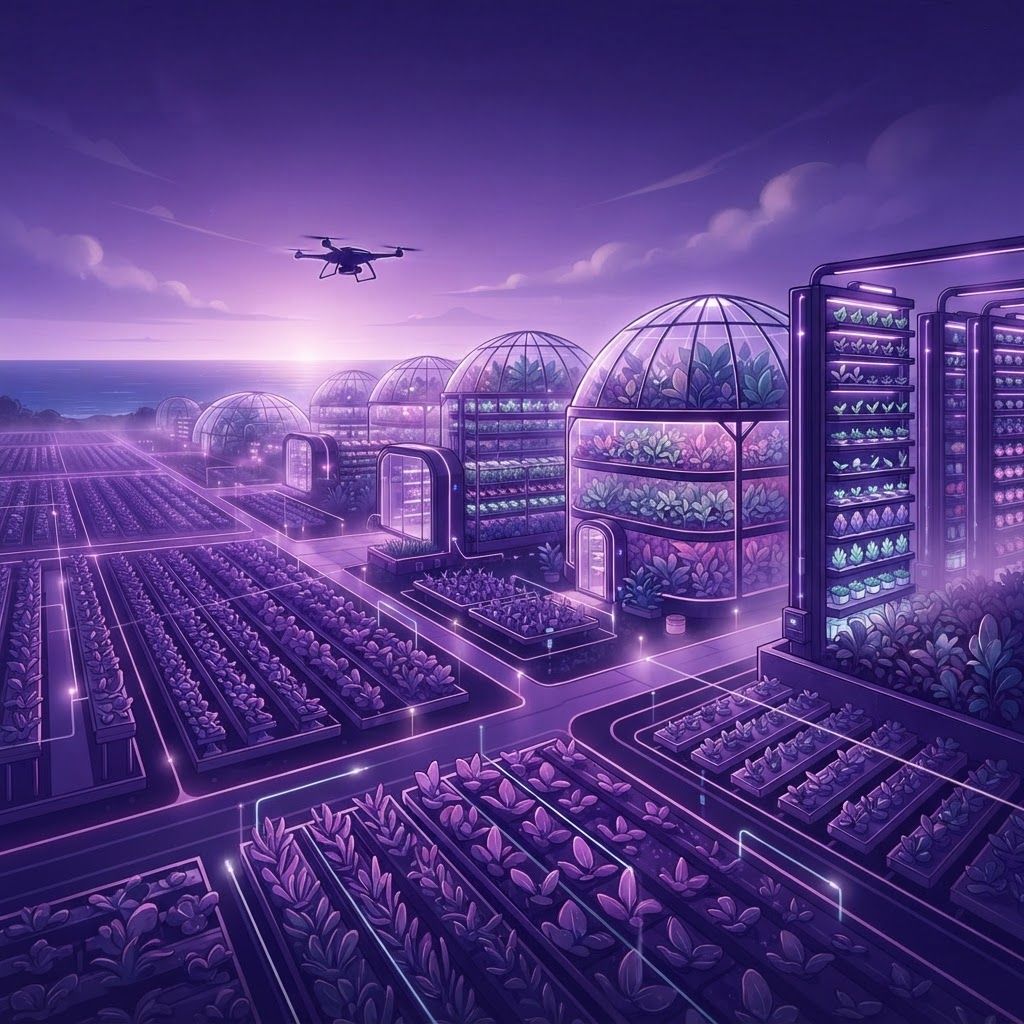
Where land is expensive, vertical intensity becomes the answer. Surf City Hydroponic Growers produces leafy greens and herbs in controlled environment systems using a fraction of the water traditional field growing requires. Year-round consistent quality makes them a reliable partner for restaurants that cannot tolerate seasonal gaps.
3. Harbor Strawberry Fields
Strawberries remain one of the highest-value crops suited to this climate, and Harbor Strawberry Fields has built a strong reputation on variety selection and harvest timing. Picking at full ripeness for local distribution produces fruit noticeably different from varieties bred for long-distance shipping. Their U-pick operation creates direct community connection alongside wholesale volume.
4. Bolsa Chica Nursery & Plant Production
Ornamental horticulture is a substantial agricultural segment in Southern California. Bolsa Chica Nursery & Plant Production grows landscape plants, natives, and drought-tolerant species for contractors and garden centers. Their native plant program supports habitat restoration projects around the wetlands.
5. Coastline Urban Agriculture Collective
Coastline Urban Agriculture Collective operates intensive production on small parcels, rooftops, and repurposed sites throughout the city. Their model proves that meaningful food production is compatible with urban density when management intensity is high. Community education and volunteer programs extend their impact beyond harvest volume.
6. Golden West Citrus Growers
The citrus heritage that gave Orange County its name survives in operations like Golden West Citrus Growers. They maintain groves producing oranges, lemons, and specialty citrus with careful attention to tree health and fruit quality. Direct sales and value-added products help offset the economics of farming on expensive land.
7. Edinger Flower Farms
Cut flower production is well suited to the local climate and commands strong margins. Edinger Flower Farms supplies florists, event designers, and markets with seasonal blooms grown locally rather than imported. Freshness advantage over long-distance flowers is substantial and visible to customers.
8. Seacliff Aquaponics Systems
Combining fish production with plant growing creates a closed-loop system with remarkable resource efficiency. Seacliff Aquaponics Systems produces both tilapia and leafy greens while recirculating water continuously. Their consulting work helps other operators implement similar systems, extending their influence beyond their own production.
9. Main Street Community Farm
Main Street Community Farm operates a subscription model connecting households directly with seasonal production. Members receive weekly shares while the farm gains predictable revenue and reduced market risk. Educational programming and volunteer days build the community relationships that sustain urban agriculture politically and economically.
10. Beach Boulevard Specialty Crop Growers
Serving the region's diverse culinary community, Beach Boulevard Specialty Crop Growers produces vegetables and herbs specific to Asian, Latin American, and Mediterranean cooking. These crops often cannot be sourced fresh through conventional distribution. Direct relationships with ethnic grocers and restaurants create a durable market position.
Water Management Challenges
Water availability and cost define the economics of California agriculture. Local operations have responded with drip irrigation, soil moisture monitoring, recycled water use where permitted, and crop selection favoring lower water requirements. Controlled environment growers hold a structural advantage here, using dramatically less water per unit of production.
Recycled water infrastructure continues expanding across Orange County, providing agricultural users with a more reliable and often less expensive supply. Operations positioned to access it gain meaningful cost stability compared with those dependent on potable supply.
Technology and Market Trends
Precision agriculture tools once limited to large operations have become accessible at small scale. Soil sensors, weather-linked irrigation controls, and simple data platforms let intensive growers optimize inputs precisely. Controlled environment agriculture continues expanding as equipment costs decline and energy efficiency improves.
On the market side, consumer interest in local provenance remains strong and supports premium pricing. Restaurant partnerships, subscription models, and farmers markets allow producers to capture retail margin rather than accepting commodity wholesale pricing.
Final Thoughts
Farming in Huntington Beach is necessarily a high-value, high-intensity business. The operations succeeding here have accepted that reality and built models around efficiency, quality, and direct market relationships. That approach offers a useful template for agriculture in urbanizing regions everywhere.