
Cultivating Community Through Local Farming
Farming remains a meaningful part of the agricultural fabric surrounding Hempstead, connecting the community to fresh food, open land, and time-honored traditions. The farming companies operating in and around the area range from family-run operations with generations of history to modern enterprises embracing the latest agricultural technology. Together, they supply local markets, restaurants, and residents with fresh produce, while contributing to the region's economy and environmental health.
Local farming offers benefits that extend well beyond the food on the table. It supports biodiversity, preserves green space, reduces the environmental cost of long-distance transportation, and strengthens community bonds through farmers markets and farm-to-table relationships. The best farming companies in Hempstead understand these broader contributions and operate with both productivity and stewardship in mind.
The Range of Farming Operations
Farming near Hempstead encompasses a variety of approaches and specialties. Vegetable and produce farms grow seasonal crops that supply local markets and restaurants with fresh ingredients. Specialty growers focus on high-value crops, herbs, and niche products that serve particular culinary and health-conscious markets. Some operations emphasize organic and sustainable methods, catering to the growing demand for chemical-free food.
Beyond crop production, some farming companies engage in mixed operations that combine produce with other agricultural activities. Community-supported agriculture programs, in which residents subscribe to regular deliveries of farm-fresh goods, have become increasingly popular. This diversity reflects a farming community adapting to modern consumer preferences while honoring traditional practices.
Embracing Sustainable Practices
Sustainability has moved to the forefront of modern farming, and Hempstead's leading agricultural operations reflect this shift. Practices such as crop rotation, cover cropping, integrated pest management, and reduced chemical use help preserve soil health and protect local ecosystems. Water conservation techniques, including efficient irrigation systems, address the growing importance of responsible resource management.
Organic farming has gained particular momentum as consumers increasingly seek food produced without synthetic pesticides and fertilizers. Farms that pursue organic certification meet rigorous standards that appeal to health-conscious buyers. These sustainable approaches not only serve the environment but also help farms differentiate their products in a competitive market.
Technology Transforming Agriculture
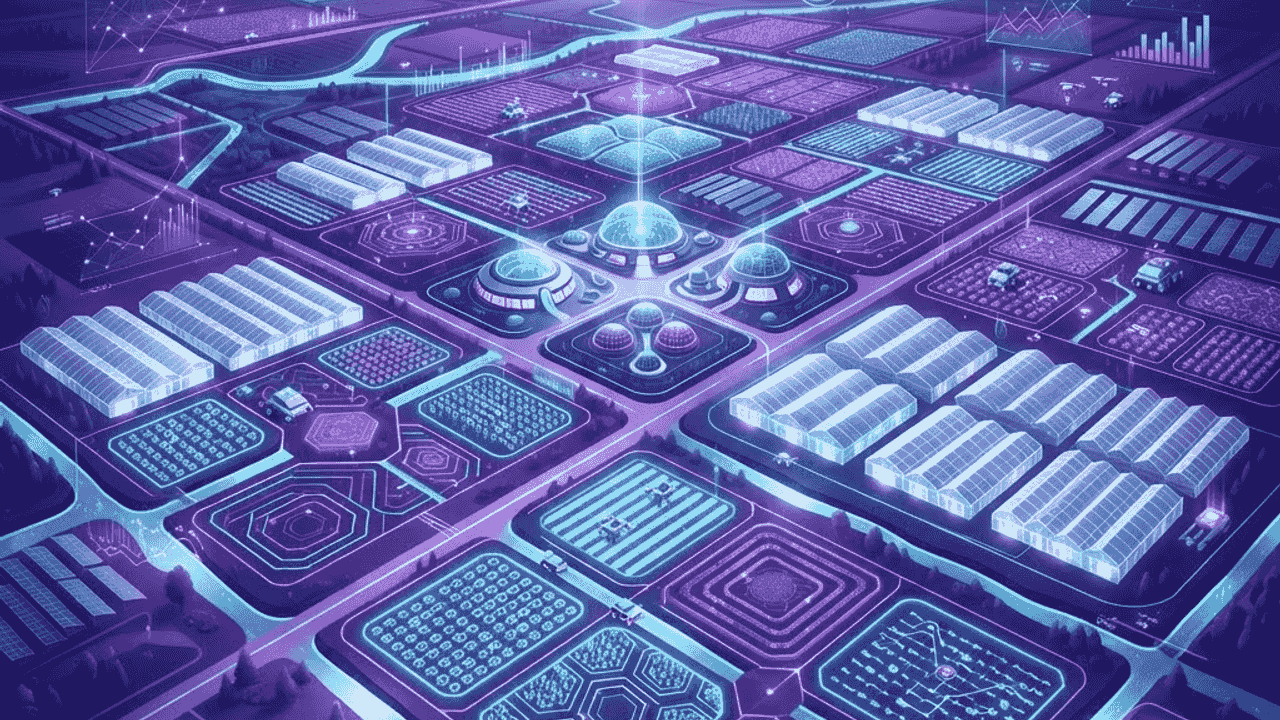
Modern farming is increasingly shaped by technology, and forward-thinking companies near Hempstead are adopting innovations that boost productivity and sustainability. Precision agriculture uses data and monitoring to optimize planting, watering, and harvesting. Greenhouse and controlled-environment growing extend seasons and improve yields regardless of weather.
These technologies allow smaller operations to compete more effectively and produce higher-quality crops with fewer resources. By embracing innovation while maintaining their commitment to quality, the best farming companies demonstrate that tradition and technology can work hand in hand. This balance positions them to thrive amid the challenges of modern agriculture.
Connecting With the Community
One of the defining features of local farming is its close connection to the community. Farmers markets, farm stands, and community-supported agriculture programs create direct relationships between growers and consumers. These connections allow residents to know where their food comes from, support local businesses, and enjoy produce at peak freshness.
Educational initiatives further strengthen these bonds. Many farms welcome visitors, host events, and teach the community about agriculture and healthy eating. These efforts build appreciation for local farming and cultivate the next generation's interest in food production. The best farming companies embrace this role as community anchors and educators.
Challenges and Resilience
Farming is never without challenges. Weather variability, market fluctuations, land pressures, and rising costs test the resilience of agricultural operations. The farming companies that endure and thrive do so through adaptability, diversification, and careful management. Many supplement their income through value-added products, agritourism, and direct-to-consumer sales.
This resilience reflects the deep commitment of Hempstead-area farmers to their land and their community. Their determination to overcome obstacles ensures the continued availability of fresh, local food and preserves an important part of the region's heritage and landscape.
Supporting Local Agriculture
Residents and businesses can support local farming in many ways, from shopping at farmers markets and joining community-supported agriculture programs to choosing restaurants that source locally. This support sustains the farming companies that provide fresh food, protect open space, and strengthen the local economy. Every purchase of local produce is an investment in the community's agricultural future.
Final Thoughts
Farming companies remain a valued part of the Hempstead region, providing fresh food, environmental benefits, and community connection. Through sustainable practices, technological innovation, and close ties to residents, the area's best farms demonstrate the enduring importance of local agriculture. By supporting these operations, the community helps ensure that fresh, responsibly grown food remains a lasting part of local life.