
Agriculture and Aquaculture Around Hampton
While Hampton itself is largely urban and suburban, it sits within one of Virginia's most productive agricultural and aquacultural regions. The surrounding Peninsula, the Middle Peninsula, the Eastern Shore, and Southside Virginia grow peanuts, soybeans, corn, cotton, and vegetables, while the Chesapeake Bay supports thriving oyster and clam farming. Hampton residents enjoy fresh local produce at farmers markets, Virginia peanuts as a regional specialty, and some of the best oysters on the East Coast.
Farming companies serving Hampton range from global food producers to family farms and innovative aquaculture businesses. They supply grocery stores, restaurants, and families with fresh, high-quality food while supporting rural economies. Below are ten farming and agricultural companies that stand out for quality, heritage, and contribution to the Hampton region.
The Top 10 Farming Companies Serving Hampton
1. Smithfield Foods
Headquartered in Smithfield, Virginia, just across the James River from Hampton, Smithfield Foods is one of the world's largest pork producers. Its famous Smithfield ham and wide range of pork products are staples in Hampton grocery stores and restaurants. The company is a major regional employer and a symbol of Virginia's agricultural heritage.
2. Perdue Farms
Perdue Farms is a family-owned poultry company with significant operations on the Delmarva Peninsula, including Virginia's Eastern Shore. Its chicken and turkey products are widely available in Hampton. Perdue is known for its commitment to animal welfare improvements and no-antibiotics-ever practices.
3. Southern States Cooperative
Southern States Cooperative is a farmer-owned agricultural supply cooperative headquartered in Richmond, Virginia. It provides seed, fertilizer, feed, and farm supplies to growers throughout the region. Its stores also serve Hampton homeowners and hobby farmers with gardening, pet, and lawn supplies.
4. Rappahannock Oyster Co.
Rappahannock Oyster Co. is a celebrated Virginia aquaculture company that revived a family oyster business on the Rappahannock River. It farms several varieties of oysters and clams, each reflecting the unique flavor of its growing waters. Its oysters are prized by chefs and seafood lovers throughout Hampton Roads.
5. Ballard Fish and Oyster
Based on Virginia's Eastern Shore, Ballard Fish and Oyster is one of the largest shellfish aquaculture operations on the East Coast. It produces farm-raised clams and oysters sold under recognizable brands. Its sustainable aquaculture practices support water quality in the Chesapeake Bay.
6. Birdsong Peanuts
Birdsong Peanuts, with deep roots in Suffolk, Virginia, is one of the largest peanut shellers in the United States. Suffolk is known as a historic center of the peanut industry, and Birdsong connects local growers to food manufacturers and consumers nationwide.
7. Hubs Peanuts
Hubs Peanuts is a family-owned company in Southside Virginia known for its hand-cooked Virginia peanuts. Its large, crunchy peanuts are a favorite gift and snack among Hampton residents and visitors seeking authentic Virginia flavor.
8. Feridies
Feridies is a Virginia peanut company based in Courtland, famous for its gourmet seasoned and salted peanuts. Its products are popular in Hampton gift shops and specialty stores, showcasing the region's peanut-growing tradition.
9. Cullipher Farm
Cullipher Farm is a long-standing family farm in Virginia Beach that grows strawberries, vegetables, flowers, and seasonal produce. Its farm market and pick-your-own opportunities attract families from across Hampton Roads, including Hampton, seeking fresh local food and agricultural experiences.
10. Graham and Rollins
Graham and Rollins is a historic Hampton seafood company that works closely with watermen harvesting Chesapeake Bay blue crabs. Its crab products connect Hampton directly to the bay's harvest and represent the city's long maritime and seafood heritage.
Agricultural Trends in Coastal Virginia
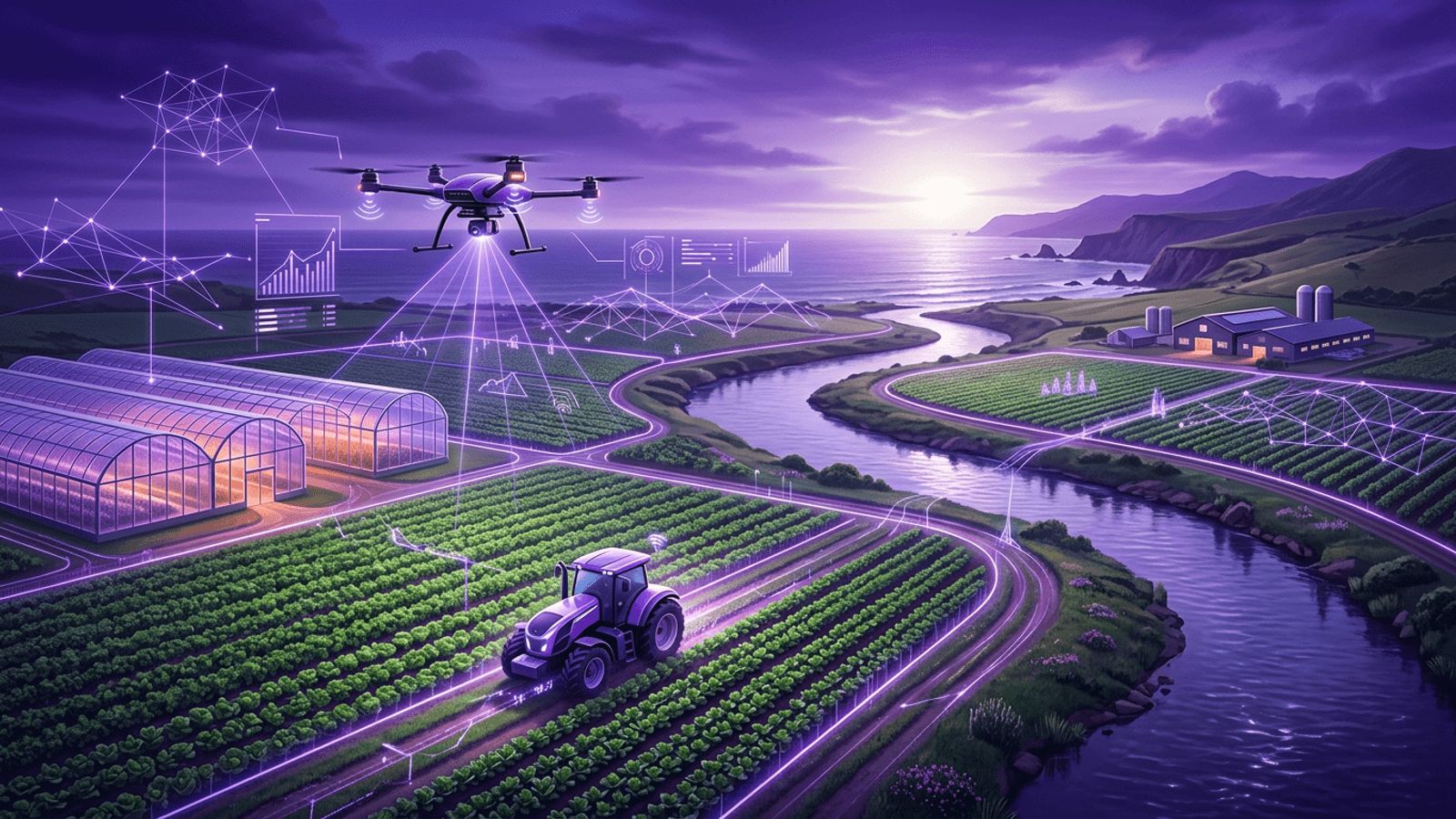
Aquaculture is one of the fastest-growing agricultural sectors in Virginia, with oyster farming helping to improve water quality while producing premium seafood. Precision agriculture technologies, including GPS-guided equipment, drones, and soil sensors, are helping farmers increase yields and reduce inputs. Sustainable practices such as cover cropping, nutrient management, and conservation tillage are protecting the Chesapeake Bay watershed.
Consumer demand for local food continues to grow. Hampton residents increasingly seek farm-fresh produce, local seafood, and Virginia-made products at farmers markets and grocery stores. Agritourism, including farm tours, pick-your-own fields, and oyster tastings, is also expanding.
How to Support Local Farming
Hampton residents and businesses can support local agriculture by purchasing Virginia-grown products, visiting farmers markets, and choosing restaurants that source locally. Businesses can partner with regional producers for fresh ingredients and seasonal menus. Supporting sustainable aquaculture also helps protect the Chesapeake Bay ecosystem that defines Hampton's coastal identity.
Hampton's Seafood and Farming Legacy
Hampton has a long history connected to the water and the land. Generations of watermen harvested crabs and oysters from the Chesapeake Bay, and seafood processing once lined the Hampton River. Today, that heritage lives on through local seafood companies, oyster farmers, and community events that celebrate the bay's bounty. Supporting these businesses preserves an important part of Hampton's identity while encouraging sustainable practices that keep the bay healthy for future generations.
Final Thoughts
Farming and aquaculture companies surrounding Hampton provide fresh, flavorful food rooted in Virginia's rich agricultural heritage. The companies listed above range from global food producers to family farms and innovative oyster growers. By supporting these businesses, Hampton residents help sustain rural communities, protect the environment, and enjoy the best that coastal Virginia has to offer.