
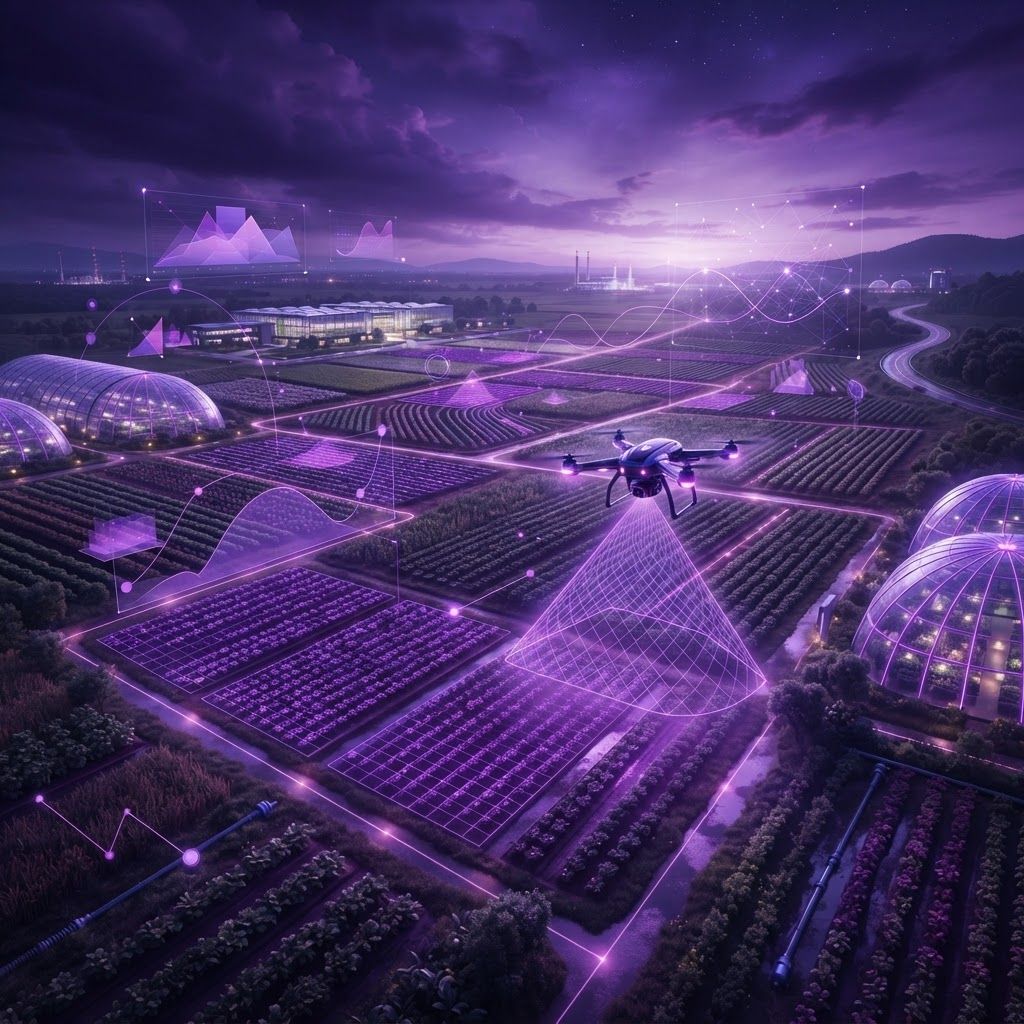
Farming in an Urbanizing Landscape
Garland sits within a metropolitan region, which fundamentally shapes the agriculture practiced around it. Large-scale row crop production has largely moved further east and north, while operations near the city have shifted toward higher-value, shorter-cycle production that benefits from proximity to consumers. Vegetables, herbs, nursery stock, eggs, honey, and specialty greens all perform well in this context because freshness commands a premium and transport distance is minimal.
Climate and soil define the practical limits. North Texas farms contend with heavy clay soils, intense summer heat, unpredictable rainfall, and periodic drought restrictions. Successful operations here invest heavily in soil structure improvement, efficient irrigation, and heat-tolerant varieties rather than fighting conditions with volume inputs.
The Top 10 Farming Companies in the Garland Area
1. Lone Star Fresh Produce Farms
A diversified vegetable operation supplying regional grocers, restaurants, and food distributors, Lone Star Fresh Produce Farms focuses on succession planting so harvest continues across an extended season. Their cold chain handling from field to packhouse is a defining strength, directly extending shelf life for retail customers.
2. Garland Urban Growers Collective
Operating intensive plots within and near the city, Garland Urban Growers Collective concentrates on salad greens, herbs, and microgreens for chefs and subscription customers. Their compact model demonstrates how small acreage can generate meaningful revenue when paired with direct market relationships and rapid turnover crops.
3. Metroplex Controlled Environment Agriculture
Greenhouse and indoor growing removes weather from the equation. Metroplex Controlled Environment Agriculture produces tomatoes, cucumbers, peppers, and leafy greens year round using climate control, fertigation, and integrated pest management. Predictable volume and consistent quality make them a dependable supplier for institutional buyers.
4. Firewheel Family Ranch and Livestock
Livestock remains an important part of the regional agricultural economy. Firewheel Family Ranch and Livestock manages cattle on rotational grazing systems designed to improve pasture health and water retention. Their emphasis on animal welfare and grazing management appeals to buyers seeking regionally raised beef.
5. Saturn Road Poultry and Egg Company
Eggs are a consistent local staple. Saturn Road Poultry and Egg Company operates pasture-based and barn systems supplying eggs and poultry to farmers markets, grocers, and restaurants. Strong biosecurity practices are central to their operation, particularly given the risk avian disease poses to regional flocks.
6. Prairie Creek Nursery and Horticulture
Nursery production serves the substantial landscaping demand of a growing metroplex. Prairie Creek Nursery and Horticulture grows trees, shrubs, ornamentals, and native plants adapted to North Texas conditions. Their focus on regionally appropriate and drought-tolerant species aligns well with tightening water restrictions.
7. Duckcreek Hydroponic Farms
Water efficiency is a decisive advantage in Texas. Duckcreek Hydroponic Farms produces greens and herbs in recirculating systems that use a fraction of the water required by field production. Their year-round consistency and clean harvest handling suit retail and food service customers with strict specifications.
8. Northeast Dallas Grain and Forage
Supporting the livestock economy, Northeast Dallas Grain and Forage produces hay, sorghum, and small grains along with custom harvesting and baling services. Their forage quality testing helps livestock producers make informed feeding decisions rather than guessing at nutritional value.
9. Summit Apiaries and Pollination Services
Pollination underpins fruit and vegetable yields. Summit Apiaries and Pollination Services manages hives for honey production and provides pollination services to regional growers. They also contribute to local awareness of pollinator habitat, which matters as development pressure reduces natural forage.
10. Texas Regenerative Agriculture Partners
Soil health is the foundation of long-term productivity. Texas Regenerative Agriculture Partners applies cover cropping, reduced tillage, composting, and diversified rotation to rebuild organic matter in heavy clay soils. Their measured improvements in water infiltration and drought resilience have made them a reference point for neighboring operations.
Water, Soil, and Climate Realities
Water is the central constraint in North Texas agriculture. Municipal restrictions during drought periods, rising irrigation costs, and variable rainfall have pushed growers toward drip irrigation, soil moisture sensing, mulching, and rainwater capture. Heavy clay soils compound the challenge, draining poorly in wet periods and cracking in dry ones, which is why organic matter building through compost and cover cropping delivers such measurable returns here.
Heat management has become equally important. Shade structures, adjusted planting calendars that avoid peak summer flowering, and heat-tolerant cultivar selection now form standard practice among successful operations.
Technology Adoption on Local Farms
Precision agriculture has scaled down to reach smaller operations. Soil moisture sensors, weather-linked irrigation controllers, and drone imagery for crop scouting are increasingly common. Farm management software helps track inputs, labor, and yields by block, revealing profitability differences that intuition often misses. Direct-to-consumer platforms have also changed marketing, allowing small farms to build subscription customer bases that stabilize cash flow.
Supporting Local Agriculture
Regional food systems depend on consistent demand. Buyers who commit to seasonal purchasing, accept natural variation in size and appearance, and plan menus or assortments around harvest timing make local sourcing viable. Institutional buyers such as schools and hospitals can have outsized impact by contracting volume in advance, which gives growers the confidence to plant accordingly.
Final Thoughts
Farming near Garland is a story of adaptation rather than scale. The most successful operations combine high-value crops, water efficiency, soil investment, and direct market relationships. For buyers and residents, that means access to genuinely fresh regional food, and for growers, it means a viable agricultural future within one of the fastest-growing metropolitan regions in the country.