
Agriculture in the Fort Myers Region
When most people think of Fort Myers, they picture beaches, golf courses and historic winter estates. But the land east of the city, stretching through Lee, Hendry, Collier and Charlotte counties, is one of the most productive farming regions in the United States. Its warm winters let growers supply fresh vegetables to much of the country from November through May, when northern farms are dormant.
Citrus, tomatoes, peppers, cucumbers, watermelons, sugarcane and cattle all play major roles in the local economy. The companies below are some of the most influential farming operations in and around Fort Myers, known for their scale, innovation and commitment to quality.
The Top 10 Farming Companies Around Fort Myers
1. Alico, Inc.
Headquartered in Fort Myers, Alico has long been one of the largest citrus producers in the United States. For decades the company has managed extensive groves in Southwest Florida and has played a central role in supplying oranges for the juice industry. Its history of land stewardship and water conservation makes it a cornerstone of regional agriculture.
2. Lipman Family Farms
Based in nearby Immokalee, Lipman Family Farms is one of the largest field tomato growers in North America. The company grows, packs and distributes tomatoes and other vegetables across multiple states. Its investments in food safety, worker welfare and sustainable growing practices have earned it a strong reputation in the produce industry.
3. Pacific Tomato Growers
Pacific Tomato Growers operates major farming and packing facilities in Southwest Florida. The company produces tomatoes, peppers and other vegetables, and it has been recognized for participating in programs that improve labor standards for farmworkers. Its consistent supply helps grocery chains keep fresh produce on shelves during winter months.
4. A. Duda and Sons
A. Duda and Sons, the family company behind Duda Farm Fresh Foods, is one of Florida's oldest agricultural businesses. Its Southwest Florida operations near LaBelle have included citrus, sugarcane, vegetables and cattle. The company's multi-generational approach to land management and fresh produce distribution has made it a respected name in regional agriculture.
5. Barron Collier Companies
Barron Collier Companies has deep roots in Southwest Florida, with diversified operations that include agriculture, citrus, cattle and land management. Its agricultural division balances productive farming with conservation and long-term land planning, reflecting the region's need to protect natural resources.
6. Oakes Farms
Oakes Farms, based in the Naples and Immokalee area, grows and distributes fresh produce while operating local markets. It emphasizes farm-to-table freshness and community partnerships, supplying restaurants, schools and families across Southwest Florida.
7. King Ranch Florida
King Ranch's Florida operations have included large citrus and sugarcane holdings in the region. Known nationally for ranching and agricultural innovation, King Ranch brings decades of experience in land management and large-scale crop production.
8. U.S. Sugar
Based in Clewiston, east of Fort Myers, U.S. Sugar is one of the largest sugarcane growers in the country. It also grows citrus and vegetables and operates its own rail system to move harvests efficiently. The company is a major employer for communities around Lake Okeechobee.
9. Florida Crystals
Florida Crystals farms sugarcane and rice in the region and is known for producing organic and natural sugar products. Its use of renewable energy from sugarcane fiber to power operations highlights a growing focus on sustainability in Florida agriculture.
10. Southern Gardens Citrus
Southern Gardens Citrus grows and processes oranges for juice and has been active in research to fight citrus greening disease. Its scientific partnerships aim to protect the future of Florida's iconic citrus industry, which remains important to the Fort Myers economy.
Challenges Facing Southwest Florida Farms
Local agriculture faces serious challenges. Citrus greening disease has reduced orange production across Florida, pushing growers to invest in research, resistant rootstocks and new grove management techniques. Hurricanes can destroy crops and infrastructure in a single day, and rapid urban growth is putting pressure on farmland as housing expands east of Interstate 75.
Water management is another key issue. Farms must balance irrigation needs with environmental protection of the Caloosahatchee River, Lake Okeechobee and the Everglades ecosystem. Many growers now use precision irrigation, soil moisture sensors and nutrient management plans to reduce runoff.
Innovation in Local Farming
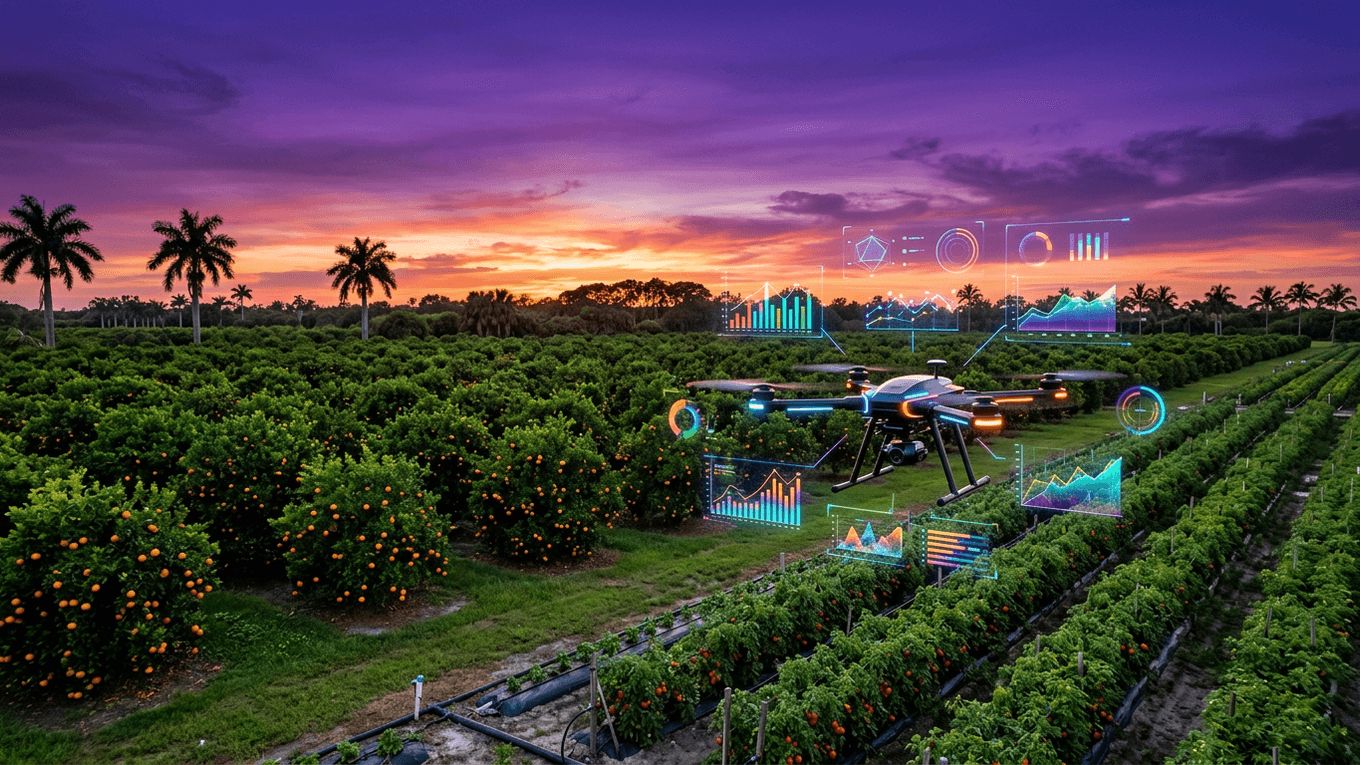
Technology is transforming farming around Fort Myers. Drones monitor crop health, GPS-guided tractors reduce waste, and data analytics help growers plan harvests. Some farms are experimenting with greenhouse and hydroponic production to protect crops from storms and pests. Diversification into specialty crops such as avocados, blueberries and peaches is also gaining attention.
Frequently Asked Questions
When is the main growing season around Fort Myers?
Most commercial vegetable production runs from fall through late spring. Planting begins in late summer and early fall, and harvests continue through the winter months, supplying fresh produce to grocery stores across the country.
Can residents buy directly from local farms?
Yes. Farmers markets in downtown Fort Myers, Cape Coral and surrounding communities feature local growers selling fresh produce, honey, eggs and plants. Some farms also offer seasonal farm stands and community supported agriculture programs.
Final Thoughts
The farming companies around Fort Myers feed much of the nation every winter and support thousands of jobs in Southwest Florida. Their combination of tradition, innovation and resilience keeps the region's agricultural heritage strong as the area continues to grow.