
Agriculture in an Industrial City
When people think of Dearborn, they usually picture assembly lines rather than farm fields. Yet agriculture is woven into the city's identity. Henry Ford was born on a farm in what is now Dearborn, and his interest in improving rural life led to the creation of the Fordson tractor and experiments with soybean-based materials. Today, the region's food system blends urban farming, community gardens, and partnerships with Michigan's vast agricultural sector, which is one of the most diverse in the nation.
Michigan produces more than three hundred agricultural commodities, from cherries and blueberries to dairy, soybeans, and vegetables. Dearborn residents and restaurants benefit from this abundance through farmers markets, community supported agriculture, and regional distributors. Here are ten farming companies and organizations that contribute to agriculture in and around Dearborn.
1. Firestone Farm at Greenfield Village
Located within The Henry Ford's Greenfield Village in Dearborn, Firestone Farm is a working historic farm that demonstrates agricultural practices from the 1880s. Costumed staff raise heritage livestock, plant crops, and prepare meals using period methods. It offers residents and visitors a vivid lesson in farming history and the connection between agriculture and industrial innovation.
2. Michigan State University Extension
MSU Extension provides research-based education to farmers, gardeners, and food businesses throughout Michigan, including Wayne County. Its programs cover soil health, pest management, food safety, and urban agriculture, helping Dearborn growers improve yields and sustainability.
3. Keep Growing Detroit
Keep Growing Detroit supports a network of urban gardens and farms across Detroit and nearby communities. It provides seeds, transplants, education, and market opportunities, helping residents grow food in city neighborhoods. Its model inspires community gardening efforts in Dearborn as well.
4. Michigan Urban Farming Initiative
The Michigan Urban Farming Initiative operates an agrihood in Detroit's North End, combining farmland, community spaces, and education. It distributes fresh produce to local residents and demonstrates how urban land can support food security and neighborhood revitalization.
5. D-Town Farm
D-Town Farm, operated by the Detroit Black Community Food Sovereignty Network, is one of the largest urban farms in the region. It grows organic vegetables, raises bees, and teaches sustainable farming practices, emphasizing community ownership and food justice.
6. RecoveryPark Farms
RecoveryPark Farms grows specialty produce in greenhouses and hoop houses within Detroit. It supplies restaurants with microgreens, herbs, and vegetables while creating jobs for people facing barriers to employment. Its focus on high-value crops supports the region's thriving restaurant scene.
7. Michigan Farm Bureau
Michigan Farm Bureau represents thousands of farmers across the state, advocating for agricultural policy and providing education and insurance services. Its programs help connect consumers with farmers and promote Michigan-grown products.
8. Eastern Market Partnership
Eastern Market in Detroit is one of the oldest and largest public markets in the country. It connects farmers from across Michigan with consumers, restaurants, and wholesalers. Many Dearborn chefs and families shop there for fresh, seasonal produce and locally raised meats.
9. Corteva Agriscience
Corteva is a global agriculture company providing seeds, crop protection, and digital farming tools. Its products are widely used by Michigan corn and soybean growers, helping farmers increase productivity and manage pests sustainably.
10. Bayer Crop Science
Bayer Crop Science supplies seeds, crop protection products, and digital agriculture solutions. Its technologies support Michigan farmers in producing reliable harvests while improving efficiency and reducing environmental impact.
Trends in Regional Farming
Urban agriculture is expanding as cities look for ways to improve food access and repurpose vacant land. Controlled environment agriculture, including greenhouses, vertical farms, and hydroponics, allows year-round production despite Michigan's cold winters. Consumers increasingly value locally grown, organic, and sustainably produced food, which supports farmers markets and direct-to-consumer sales.
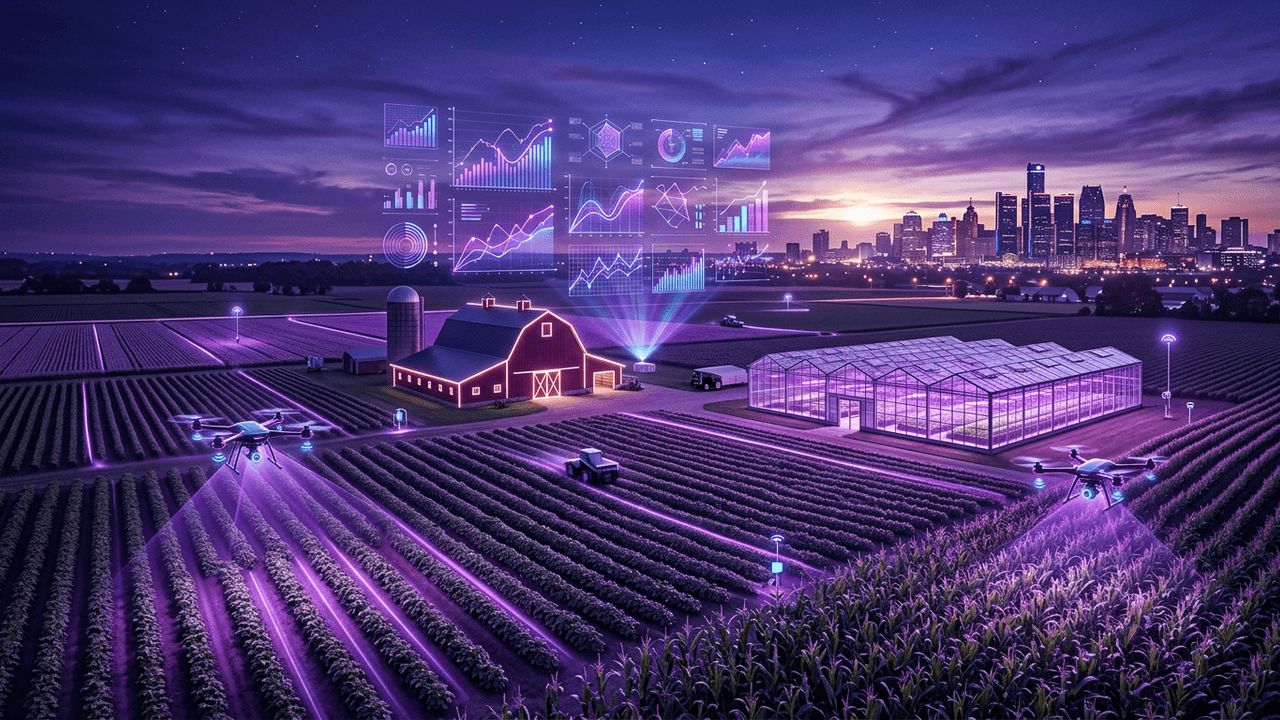
Technology is also transforming farming. Precision agriculture tools such as GPS-guided equipment, drones, and soil sensors help farmers apply inputs more efficiently. Climate resilience is a growing concern, encouraging practices such as cover cropping, reduced tillage, and water management.
Agriculture and Dearborn's Food Culture
Dearborn's Middle Eastern cuisine relies on fresh vegetables and herbs, including parsley, mint, cucumbers, tomatoes, eggplant, and peppers. Many residents maintain backyard gardens that grow these staples, continuing agricultural traditions brought from Lebanon, Yemen, Iraq, and other countries. The Dearborn Farmers Market offers a seasonal gathering place where residents can buy directly from Michigan growers, strengthening the bond between city and farm.
How to Support Local Farming
Residents can support farming by shopping at farmers markets, joining community supported agriculture programs, and choosing restaurants that source locally. Businesses can partner with regional farms to secure fresh ingredients and reduce transportation emissions. Volunteering at urban farms and community gardens is another meaningful way to get involved.
Final Thoughts
Dearborn's agricultural story connects its past to its future. From the historic fields of Firestone Farm to innovative urban growers and global agriculture companies, these ten organizations demonstrate how farming continues to nourish the city and the wider region.