
Agriculture in the Miami Valley
Just beyond Dayton's city limits lie some of the most fertile farmlands in Ohio. The Miami Valley's rich soils and favorable climate support corn, soybeans, wheat, livestock, dairy, and an expanding network of produce farms that supply farmers markets, restaurants, and community-supported agriculture programs. Agriculture remains one of Ohio's largest industries, and the Dayton region plays an important role.
Here are ten farming companies and farms in and around Dayton that stand out for quality, innovation, and community engagement.
Top 10 Farming Companies in the Dayton Area
1. Miami Valley Family Produce Farms
Family-owned farms throughout Montgomery, Greene, and Miami counties grow seasonal produce and sell directly to consumers. These operations represent the heart of the region's agricultural tradition, offering sweet corn, tomatoes, berries, and pumpkins that Dayton families eagerly await each year.
2. Fulton Farms
Located north of Dayton in Troy, Fulton Farms is a long-running family farm market that offers locally grown produce, seasonal festivals, and agritourism experiences. They connect urban Dayton residents with farm life through pick-your-own events and fall harvest activities.
3. Young's Jersey Dairy
Young's Jersey Dairy near Yellow Springs is a beloved working dairy farm famous for homemade ice cream, cheese, and family entertainment. It has become a regional destination that blends agriculture with hospitality, demonstrating how farms can diversify revenue.
4. Aullwood Audubon Farm
Aullwood Audubon Farm Discovery Center in Dayton operates an educational working farm that teaches sustainable agriculture and environmental stewardship. Its programs introduce thousands of students to livestock care, crop production, and conservation every year.
5. Carriage Hill MetroPark Farm
Carriage Hill MetroPark features a historic farm that demonstrates agricultural practices from the 1880s. Operated by Five Rivers MetroParks, it preserves the region's farming heritage and provides educational experiences for visitors of all ages.
6. Mile Creek Farm
Small-scale organic farms in the Dayton region focus on sustainable growing methods, heirloom vegetables, and community-supported agriculture subscriptions. They supply local restaurants and farmers markets with fresh, chemical-free produce.
7. Hidden Valley Orchards
Orchards in southwest Ohio produce apples, peaches, and cider that are staples of local fall traditions. Their farm stores and seasonal events attract families from across the Dayton metro area.
8. Ohio Grain and Soybean Producers
Large-scale grain farms surrounding Dayton grow corn and soybeans for livestock feed, food processing, and export. These operations increasingly use precision agriculture technology, including GPS guidance and soil sensors, to improve yields and reduce environmental impact.
9. Urban Farms in Dayton
Urban agriculture initiatives have emerged in Dayton neighborhoods, converting vacant lots into productive gardens. Groups such as Homefull and community gardening organizations grow fresh food in areas with limited grocery access, strengthening food security and neighborhood pride.
10. Gerber Poultry and Livestock Producers
Livestock and poultry farms in western Ohio supply meat and eggs to regional processors and grocers. Their commitment to animal welfare and quality standards supports a significant share of Ohio's agricultural output.
What Makes a Great Farming Company
Leading farms balance productivity with sustainability. Soil health practices such as cover cropping and reduced tillage protect long-term fertility, while transparent communication builds trust with consumers. Farms that diversify through agritourism, value-added products, and direct sales are often the most resilient.
Trends in Miami Valley Agriculture
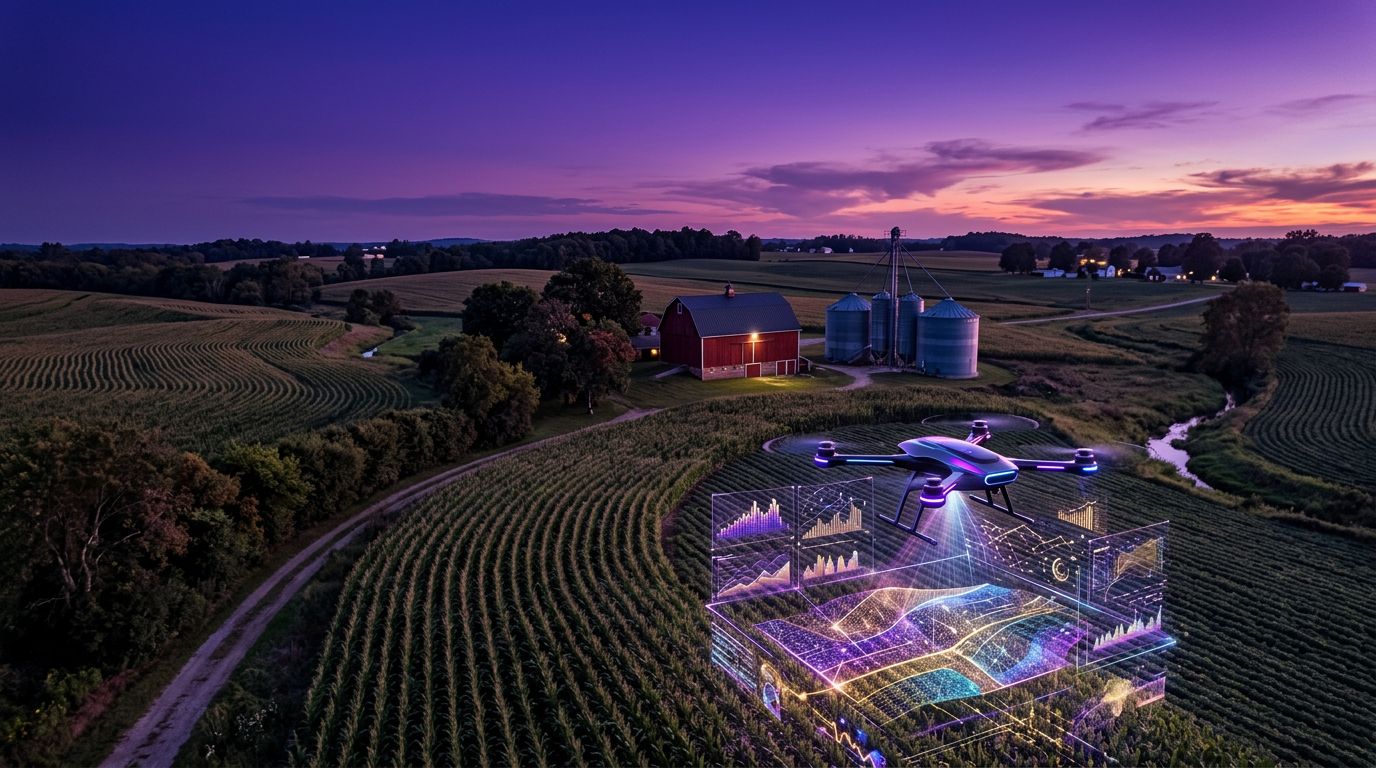
Precision agriculture, drones, and data analytics are transforming how farms manage crops. Consumer demand for local and organic food continues to grow, supporting farmers markets like the 2nd Street Market in downtown Dayton. Climate resilience and water quality initiatives are also shaping farm management decisions throughout the region.
Local Insight: Farming at the Edge of the City
One of the most distinctive aspects of Dayton agriculture is how close productive farmland sits to urban neighborhoods. Within a short drive of downtown, residents can reach working farms in Brookville, Germantown, Tipp City, and Xenia. This proximity supports a strong farm-to-table movement, with restaurants sourcing seasonal produce and meats directly from nearby growers. It also creates challenges, as development pressure and rising land values push farmers to protect prime soils through conservation easements and farmland preservation programs. Organizations such as Five Rivers MetroParks and regional land trusts work to keep agricultural land productive, ensuring that future generations of Dayton residents can continue to enjoy locally grown food and scenic rural landscapes.
Frequently Asked Questions
Where can Dayton residents buy directly from local farms?
Farmers markets, including the 2nd Street Market downtown, on-farm markets, and community-supported agriculture subscriptions are excellent ways to purchase directly from growers. Buying direct supports local farm families and provides fresher, seasonal food.
What crops are most common around Dayton?
Corn and soybeans dominate field crop acreage, followed by wheat and hay. Specialty farms grow sweet corn, tomatoes, peppers, berries, apples, and pumpkins, while livestock operations produce beef, pork, poultry, and dairy.
What is a CSA?
A community-supported agriculture program allows consumers to buy a share of a farm's harvest in advance. Members receive regular boxes of fresh produce throughout the season, and farmers gain dependable early-season income.
How is technology changing local farms?
GPS guidance, drones, soil sensors, and farm management software help growers apply inputs precisely, reduce costs, and protect waterways from nutrient runoff.
Conclusion
Dayton's agricultural community combines tradition and innovation. From iconic destinations like Young's Jersey Dairy to educational farms and urban growers, these farming operations nourish the region, preserve its heritage, and pave the way for a sustainable future.