
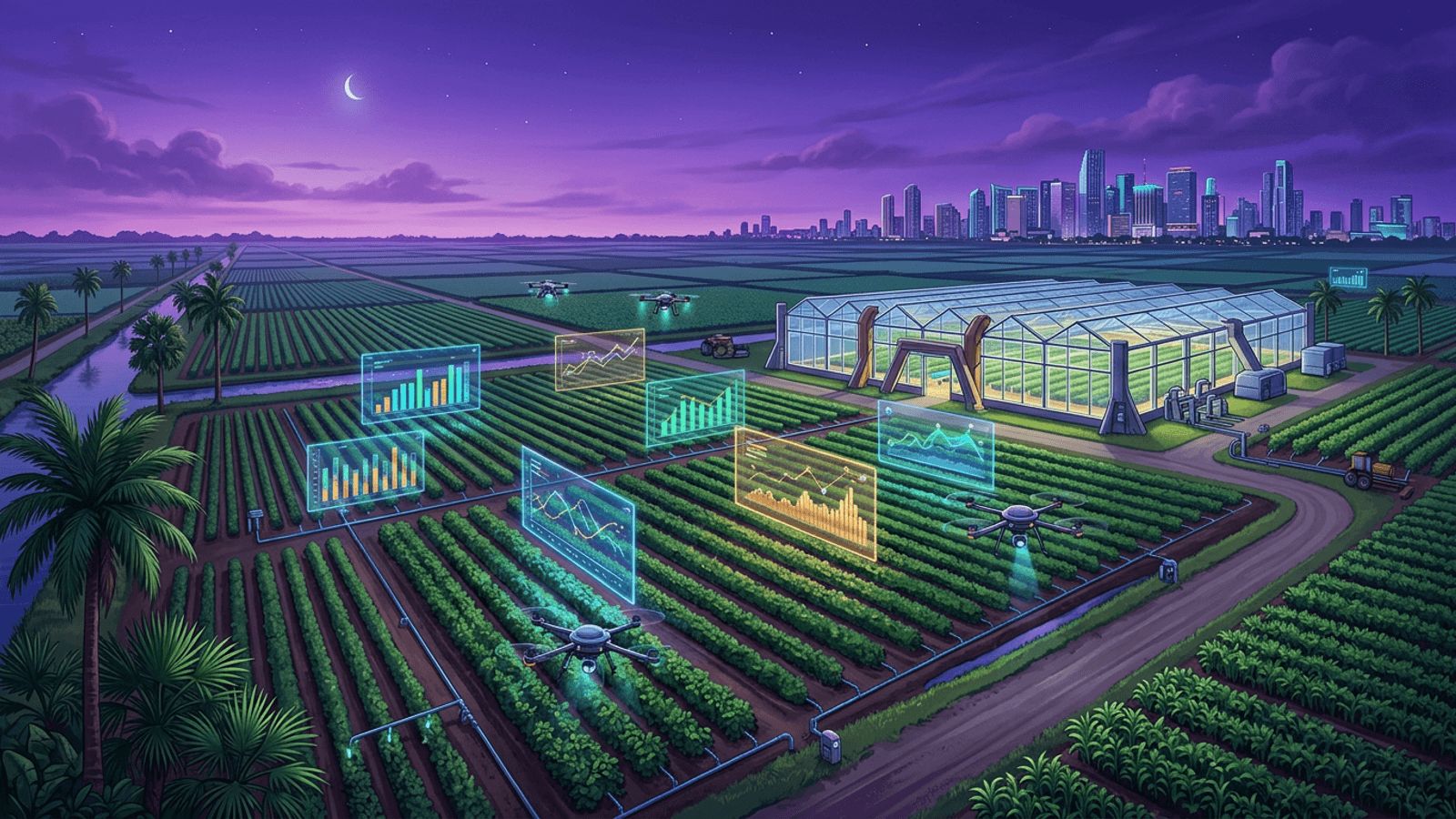
Farming Around Coral Springs: A Hidden Agricultural Advantage
Coral Springs is best known for its master-planned neighborhoods, top-rated schools, and abundant parks, but the city also enjoys a unique position near some of the richest farmland in Florida. Within a short drive, residents can reach Palm Beach County's vegetable belt, the sugar-producing lands around Lake Okeechobee, and the tropical fruit groves of the Redland district in South Miami-Dade. This proximity means Coral Springs households, restaurants, and grocers have access to fresh, locally grown food almost year-round.
South Florida's subtropical climate flips the traditional growing calendar. While much of the country slows down in winter, local farms hit their peak between November and May, harvesting tomatoes, peppers, sweet corn, green beans, strawberries, and leafy greens. Growing consumer interest in sustainability, transparent sourcing, and agritourism has pushed many regional farms to modernize with precision irrigation, integrated pest management, and direct-to-consumer sales. Below are ten farming companies that Coral Springs residents trust for quality, reliability, and community engagement.
1. Pero Family Farms
Based in Delray Beach, Pero Family Farms is a family-owned grower with roots stretching back several generations. The company is known for its snipped green beans, mini sweet peppers, and fresh vegetable packs found in supermarkets across the Southeast. Its scale, food safety certifications, and investment in convenient packaging make it one of the most recognizable agricultural names serving Coral Springs grocery shoppers.
2. Bedner's Farm Fresh Market
Bedner's has farmed in Palm Beach County for decades and operates a popular farm market in Boynton Beach. Families from Coral Springs regularly make the trip for U-pick strawberries, tomatoes, peppers, and seasonal festivals. The farm's commitment to growing what it sells and its welcoming agritourism experience make it a favorite weekend destination for those who want to connect children with where food comes from.
3. Swank Specialty Produce
Located in Loxahatchee Groves, Swank Specialty Produce is celebrated for hydroponic and soil-grown specialty greens, herbs, and edible flowers supplied to top chefs throughout South Florida. Its farm-to-table dinners under an open-air pavilion have become a regional culinary tradition. Many upscale restaurants serving the Coral Springs area feature Swank microgreens and lettuces on their menus.
4. Green Cay Farms
Green Cay Farms in Boynton Beach is one of the longest-operating vegetable farms in the region and is closely tied to the creation of the nearby Green Cay Wetlands nature preserve. The farm offers a seasonal market featuring tomatoes, cucumbers, squash, and herbs, along with a reputation for environmental stewardship that resonates with eco-conscious Coral Springs consumers.
5. Kai-Kai Farm
Kai-Kai Farm in Indiantown supplies a wide variety of sustainably grown vegetables, herbs, and flowers to South Florida restaurants and families. Known for its farm tours, cooking events, and community-supported agriculture approach, Kai-Kai helps bridge the gap between small-scale sustainable farming and the busy suburban lifestyle of communities like Coral Springs.
6. Knaus Berry Farm
A beloved institution in the Redland area of Homestead, Knaus Berry Farm draws long seasonal lines for its strawberries, fresh vegetables, and famous cinnamon rolls. Operated by a family with deep agricultural traditions, the farm represents the authentic, old-fashioned side of South Florida farming. Coral Springs residents often plan winter road trips specifically around a visit.
7. Florida Crystals
Headquartered in West Palm Beach, Florida Crystals is one of the largest sugarcane growers and refiners in the country, with extensive farmland around the Everglades Agricultural Area. The company has invested in renewable energy, producing power from sugarcane fiber, and offers organic sugar lines that are widely available in Coral Springs supermarkets.
8. U.S. Sugar
Based in Clewiston, U.S. Sugar is a major agricultural employer in Florida, farming sugarcane, sweet corn, and citrus. Its vertically integrated operations, including its own rail system, illustrate the scale of modern Florida agribusiness. For Coral Springs residents interested in the economic forces shaping the regional food supply, U.S. Sugar is an important company to know.
9. Alico, Inc.
Alico is a Florida-based agribusiness and land management company with a long history in citrus production. Its large-scale groves have supplied juice processors for decades, and the company has been central to industry efforts addressing citrus greening disease. Alico's research-driven approach reflects how Florida farming is adapting to environmental challenges.
10. Robert Is Here Fruit Stand
While technically a family-run farm stand, Robert Is Here in Homestead grows and sources exotic tropical fruits such as mamey, lychee, starfruit, and jackfruit. Its fresh fruit milkshakes and colorful produce selection have earned national attention. For Coral Springs foodies seeking unique tropical flavors, it remains an essential stop.
How to Choose the Right Farm for Your Needs
Start by deciding what you value most. Families looking for experiences should prioritize farms with U-pick fields, festivals, and educational tours. Home cooks seeking peak-season flavor may prefer farm markets and CSA-style programs. Restaurants and retailers in Coral Springs should look for growers with food safety certifications, consistent volume, and reliable delivery schedules. Asking about growing practices, such as pesticide use, water conservation, and soil health programs, also helps you support farms aligned with your values.
Final Thoughts
Coral Springs may be a suburban city, but its access to world-class farmland is a real advantage. Whether you are buying green beans from a multigenerational grower, picking strawberries with your kids, or savoring tropical fruit straight from the Redland, these ten farming companies bring South Florida's agricultural heritage to your table. Supporting them strengthens the regional economy and keeps fresh, local food within reach.