
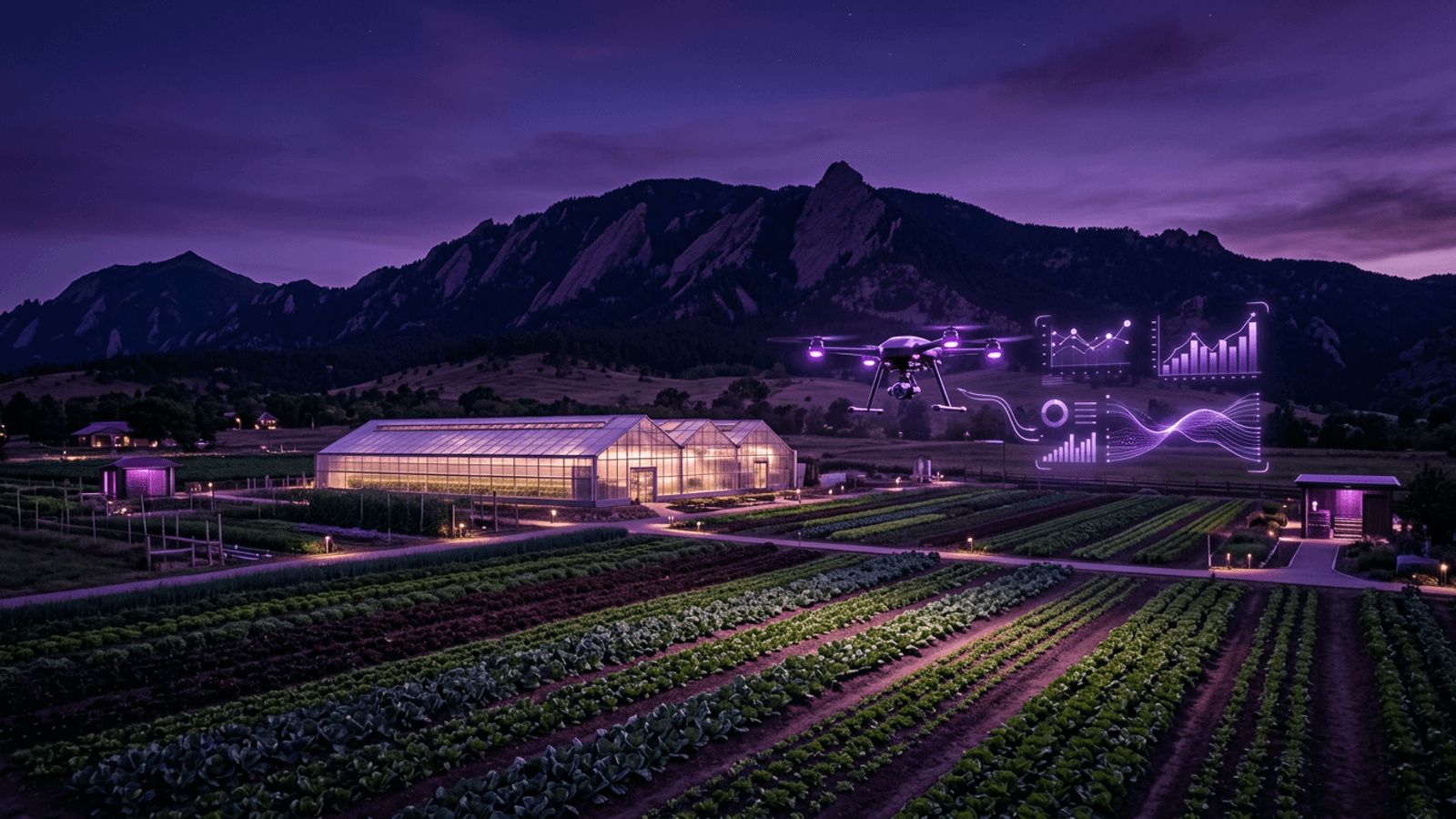
Agriculture in the Shadow of the Flatirons
Boulder County has protected thousands of acres of farmland through its open space program, preserving a farming tradition that dates back to the 1800s. Today those fields support a diverse mix of organic vegetable farms, family ranches, orchards, and regenerative operations. Local farms supply the Boulder County Farmers Markets, community supported agriculture programs, restaurants, and grocery stores, and they play a major role in the region's identity.
Farming here is not easy. Growers contend with a short season, hail storms, intense sun, wind, and limited water rights. The farms that thrive combine traditional knowledge with innovation in soil health, water efficiency, and season extension.
How We Chose These Farms
We considered farming practices, product quality, community involvement, longevity, sustainability, and customer reputation. The list highlights farms that serve Boulder residents directly through markets, CSAs, farm stands, and restaurant partnerships.
The Top 10 Farming Companies in Boulder
1. Ollin Farms
Ollin Farms in Longmont is a family-run, certified naturally grown farm known for exceptional vegetables, herbs, and educational programs. Its farm stand and community events make it a beloved destination for families interested in where their food comes from.
2. Isabelle Farm
Isabelle Farm grows organic vegetables and fruit on leased open space land in Lafayette and Boulder County. It operates a popular farm stand, CSA, and market presence, and it is recognized for high-quality produce and a strong commitment to soil stewardship.
3. Black Cat Farm
Black Cat Farm grows produce for its acclaimed farm-to-table restaurants in Boulder. This closed-loop model allows chefs to plan menus around what is growing in the fields, creating dishes that celebrate hyper-local ingredients.
4. Cure Organic Farm
Cure Organic Farm in east Boulder produces certified organic vegetables, flowers, eggs, and pastured meats. Its CSA and farm store are known for variety and freshness, and the farm hosts educational tours and events.
5. Red Wagon Farm
Red Wagon is a long-running organic farm offering one of Boulder's best-known CSA programs. It is especially famous for its greens and seedlings sold each spring to home gardeners.
6. Aspen Moon Farm
Aspen Moon Farm practices biodynamic agriculture, a holistic approach that treats the farm as a living ecosystem. It grows vegetables, herbs, and flowers and is admired for its rich soils and vibrant produce.
7. Munson Farms
Munson Farms is a family operation known for sweet corn, pumpkins, and seasonal produce. Its farm stand is a summer tradition for many Boulder families, and its fall pumpkin patch draws visitors from across the region.
8. Kilt Farm
Kilt Farm grows organic vegetables and offers a flexible CSA model. It is appreciated for its friendly farm stand and commitment to sustainable growing on Boulder County land.
9. Monroe Organic Farms
Monroe Organic Farms is one of the oldest organic farms in Colorado. Its CSA delivers to Boulder and throughout the Front Range, supplying staples like potatoes, onions, squash, and greens.
10. Grant Family Farms Legacy Growers and Regional Cooperatives
Cooperatives and regional growers that aggregate produce from multiple farms help supply Boulder grocery stores and institutions with local food at scale, keeping regional agriculture economically viable.
Trends in Boulder Agriculture
Regenerative agriculture is gaining momentum. Farmers use cover crops, reduced tillage, compost, and rotational grazing to build soil carbon and improve water retention. Boulder County has supported these practices through grants and research partnerships.
Season extension technologies such as hoop houses, greenhouses, and row covers allow farms to grow longer into the shoulder seasons, providing local produce in early spring and late fall. Water efficiency is also critical, with drip irrigation and soil moisture monitoring becoming standard.
Direct-to-consumer sales continue to evolve. Online CSA platforms, farm stores, and home delivery give customers more flexibility, while restaurants deepen partnerships with farms to secure consistent supplies.
Benefits of Supporting Local Farms
Buying from local farms provides fresher, more flavorful produce harvested at peak ripeness. It keeps money in the community, protects open space, and reduces the distance food travels. CSA members often discover new vegetables and develop a deeper connection to the seasons and the people who grow their food.
The Role of Open Space in Boulder Farming
Much of the farmland around Boulder is publicly owned and leased to farmers through the county's open space program. This arrangement keeps land affordable for growers, protects scenic views, and prevents development from consuming productive soil. Leases increasingly encourage soil health practices, pollinator habitat, and water conservation, making public land a testing ground for sustainable agriculture. For residents, it means the farms they drive past on the way to work are part of a shared community investment.
Frequently Asked Questions
What is a CSA?
Community supported agriculture lets customers buy a share of a farm's harvest in advance and receive regular boxes of produce throughout the season.
When is the Boulder growing season?
Most outdoor crops are harvested from late May through October, with greenhouses extending availability.
Can I visit Boulder farms?
Many farms welcome visitors for farm stands, tours, U-pick events, and seasonal festivals.
Conclusion
Boulder's farming companies are the heart of the region's celebrated food culture. By choosing local produce from these farms, residents support sustainable agriculture, protect open space, and enjoy some of the freshest food available anywhere in Colorado.