
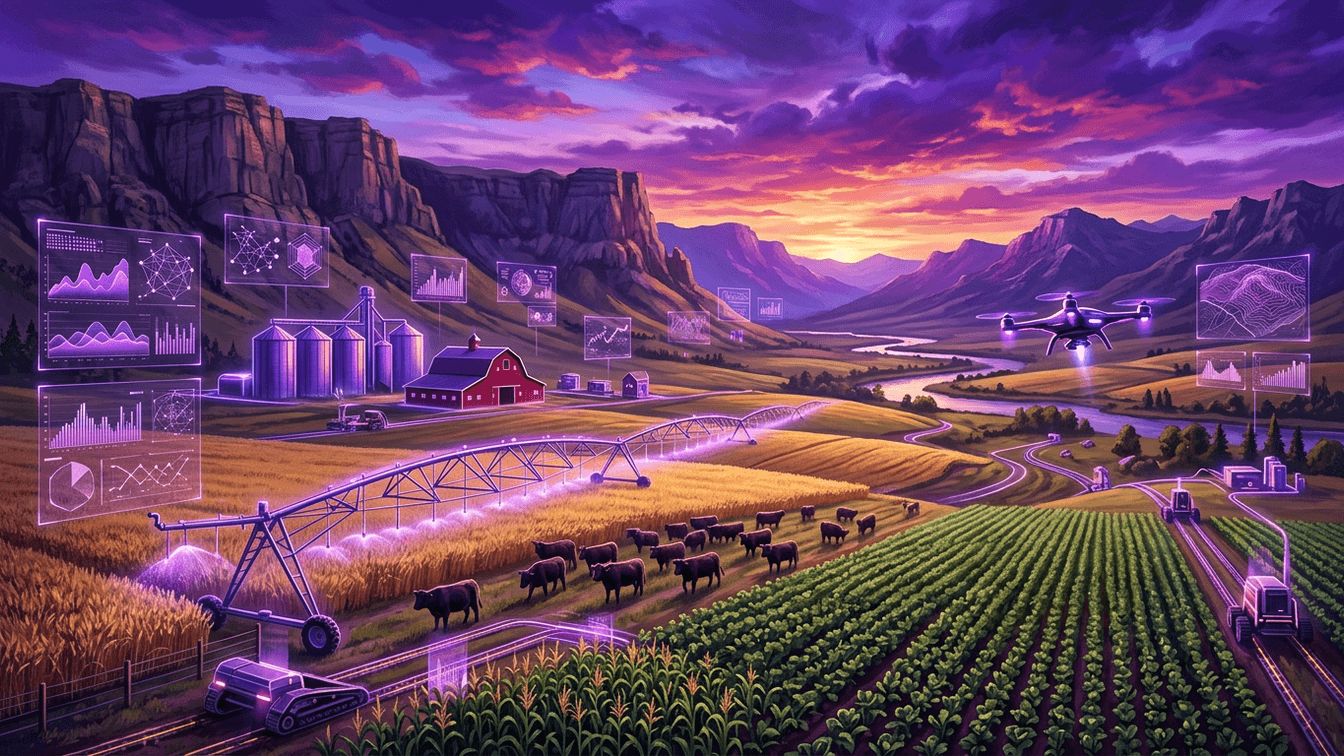
Farming in the Yellowstone Valley
Billings is surrounded by some of the most productive farmland in Montana. The Yellowstone River and its irrigation canals support sugar beets, corn, barley, alfalfa, and dry beans, while dryland farms on the benches above the valley grow winter wheat. Cattle ranching dominates the vast rangelands of Yellowstone County and neighboring counties. Agriculture is not just a business here; it is a way of life passed down through generations.
Farming companies in and around Billings include cooperatives, agronomy providers, processors, and family operations. The ten organizations below play important roles in the region's agricultural success.
The Top 10 Farming Companies in Billings
1. Western Sugar Cooperative
The Western Sugar Cooperative is owned by sugar beet growers and operates a processing factory in Billings. It provides a stable market for beet farmers and supports agronomic research that helps growers improve yields and quality.
2. CHS
CHS is a farmer-owned cooperative offering grain marketing, agronomy, fuel, and farm supplies. Its local presence helps Yellowstone Valley farmers access markets, inputs, and financing.
3. Nutrien Ag Solutions
Nutrien Ag Solutions supplies seed, fertilizer, and crop protection products along with agronomic consulting. Its field specialists help growers make data-driven decisions about nutrient management and pest control.
4. Wilbur-Ellis
Wilbur-Ellis provides crop nutrition, crop protection, and precision agriculture services. Its expertise is valuable for farmers managing irrigated row crops and alfalfa in the Billings area.
5. Billings Livestock Commission
The Billings Livestock Commission is one of the largest livestock auction markets in the region. Ranchers from across Montana and Wyoming rely on it to buy and sell cattle, making it a central hub for the regional beef industry.
6. Public Auction Yards
Public Auction Yards is another long-established Billings livestock market. Its regular sales and experienced auctioneers help ranchers achieve fair market prices for feeder cattle and breeding stock.
7. Yellowstone Valley Farms
Yellowstone Valley Farms is a diversified family operation growing sugar beets, corn, and alfalfa. It is known for adopting efficient irrigation and soil health practices that conserve water and improve long-term productivity.
8. Big Sky Hay and Forage
Big Sky Hay and Forage produces and markets premium alfalfa and grass hay for ranchers, dairies, and horse owners. Its consistent quality and testing programs make it a trusted forage supplier.
9. Rimrock Angus Ranch
Rimrock Angus Ranch focuses on registered Angus genetics, selling bulls and replacement heifers to commercial cattle producers. Its emphasis on performance data and calving ease supports herd improvement across the region.
10. Montana Heritage Grains
Montana Heritage Grains grows and markets specialty wheat, barley, and pulse crops for food and brewing markets. Its focus on identity-preserved grains connects local farmers with premium buyers.
Agricultural Trends Around Billings
Precision agriculture is transforming farming in the Yellowstone Valley. GPS guidance, variable-rate application, soil sensors, and drone imagery help farmers use inputs more efficiently and boost yields. Water management is also a major focus, with farmers upgrading to center pivots and drip systems to conserve water during drought years.
Soil health practices, such as cover cropping and reduced tillage, are gaining adoption. On the livestock side, ranchers are using genetic data, rotational grazing, and value-added marketing programs to improve profitability.
How to Work with Farming Companies
Identify your needs: Determine whether you need inputs, marketing, processing, or livestock services. Evaluate expertise: Look for companies with agronomists or specialists who understand local conditions. Consider cooperatives: Membership can provide patronage dividends and market access. Review contracts: Understand pricing, delivery, and quality requirements. Build relationships: Long-term partnerships often deliver the most value in agriculture.
Frequently Asked Questions
What crops grow best around Billings? Irrigated land in the Yellowstone Valley is well suited for sugar beets, corn, barley, alfalfa, and dry beans, while dryland areas produce excellent winter wheat.
How important is irrigation to local farming? Irrigation is essential in this semi-arid region. Canals drawing from the Yellowstone River allow farmers to grow high-value crops that would otherwise struggle with limited rainfall.
What role does cattle ranching play? Cattle ranching is a cornerstone of the regional economy, and Billings livestock auctions draw buyers and sellers from several states.
How are young farmers getting started? Many begin through family operations, cooperative programs, agricultural lenders, and educational opportunities that teach modern farm management and technology.
Key Takeaways
The farming community around Billings thrives on cooperation. Growers rely on cooperatives for marketing and inputs, agronomists for technical guidance, and livestock markets for fair pricing. Embracing water-efficient irrigation, soil health practices, and precision technology helps local farms remain profitable while protecting the land and water resources that future generations will depend on.
Conclusion
Farming remains the heart of the Billings regional economy. Cooperatives, agronomy providers, livestock markets, and family farms work together to produce sugar, grain, hay, and beef that reach tables across the country. The ten farming companies highlighted here demonstrate the innovation, resilience, and community spirit that define agriculture in the Yellowstone Valley.