
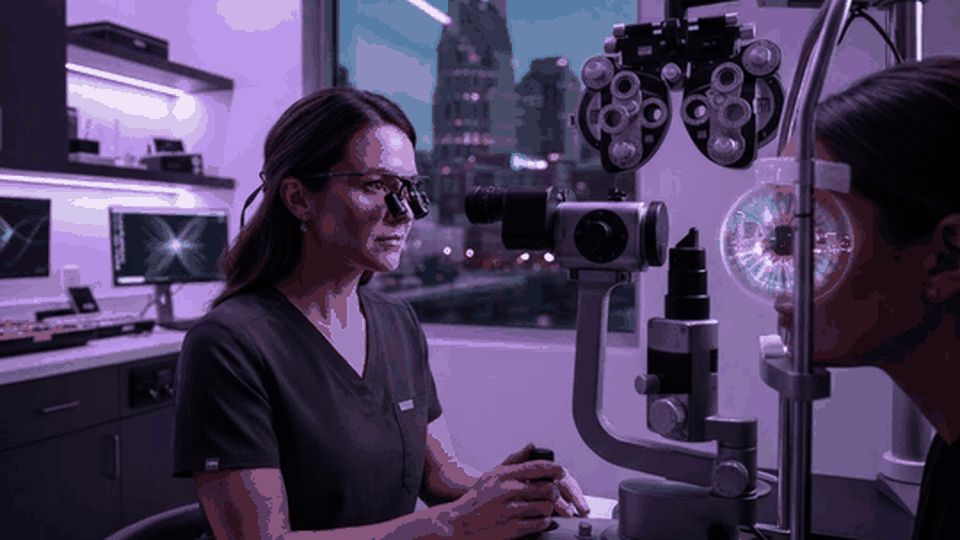
Nashville’s Eye Care Landscape
Eye care ranges from updating a glasses prescription to managing conditions that can permanently affect vision. Nashville offers academic ophthalmology, large multispecialty groups, pediatric specialists, surgical centers, and neighborhood optometry. The right setting depends on symptoms, age, diagnosis, insurance, and whether medical or routine vision benefits apply. Sudden vision loss, eye trauma, flashes with new floaters, or severe pain require urgent professional evaluation. The providers below are notable Nashville-area options and are not ordered as a medical ranking.
1. Vanderbilt Eye Institute
Vanderbilt Eye Institute provides comprehensive and subspecialty ophthalmology within an academic medical center. Its teams address cataracts, glaucoma, retinal disease, corneal disorders, neuro-ophthalmology, ocular inflammation, pediatric conditions, and complex surgery. Access to advanced diagnostics and collaboration with other Vanderbilt specialties can be particularly valuable when an eye problem relates to neurologic, genetic, autoimmune, or systemic disease. Academic referral pathways may involve multiple visits or locations, so patients should confirm scheduling, records transfer, and insurance authorization.
2. Tennessee Retina
Tennessee Retina concentrates on diseases of the retina and vitreous, including macular degeneration, diabetic eye disease, retinal tears, and retinal detachment. Retina care often requires detailed imaging and repeated monitoring or injections, making clinical expertise and reliable scheduling important. The practice’s specialty focus is a differentiator for patients referred after an abnormal dilated exam. Ask what changes warrant an emergency call, how imaging is used to track response, and whether treatments may occur on the first visit.
3. Wang Vision Institute
Wang Vision Institute is widely associated with refractive and cataract procedures in Nashville. Patients exploring laser vision correction, lens-based surgery, or treatment after previous refractive procedures may value a center focused on surgical vision correction. Candidacy should be based on corneal health, prescription stability, age, dry-eye status, lifestyle, and realistic expectations. A thorough consultation should explain alternatives, possible side effects, enhancement policies, and the continuing need for routine eye health exams.
4. Loden Vision Centers
Loden Vision Centers provides cataract, refractive, and general eye services across Middle Tennessee. Multiple locations can make preoperative and postoperative visits more convenient for regional patients. The center is known for surgical technology and a range of lens options, but patients should understand that premium lenses are not automatically best for every eye or lifestyle. Ask how glare, night driving, reading needs, astigmatism, and existing retinal or corneal disease influence the recommendation.
5. Cornea Consultants of Nashville
Cornea Consultants of Nashville focuses on the cornea, external eye disease, and related surgical care. Referrals may involve keratoconus, corneal scars, infections, transplant evaluation, complex dry eye, or complications from previous surgery. Subspecialty training is especially useful when the clear front surface of the eye requires nuanced diagnosis. Patients should bring prior records and contact-lens history, and ask whether lenses must be discontinued before measurements to ensure accuracy.
6. Nashville Vision Associates
Nashville Vision Associates offers ophthalmic care with attention to common adult eye conditions and surgery. A comprehensive practice can be practical for patients who need ongoing glaucoma surveillance, cataract evaluation, diabetic eye exams, or assessment of changing vision. Continuity matters because trends in pressure, optic nerve appearance, and imaging are often more informative than a single measurement. Patients should clarify whether visits are billed through medical insurance or vision benefits.
7. Heritage Medical Associates Eye Care
Heritage Medical Associates includes eye care within a broader multispecialty medical organization. Integration can be convenient for patients managing diabetes, hypertension, or other conditions that influence ocular health. Shared clinical context may improve communication among primary and specialty providers. The exact scope can vary, so patients should confirm whether they need optometry, ophthalmology, or a subspecialty referral. Bringing a current medication list and previous glasses can make an exam more productive.
8. Pediatric Eye Specialists
Pediatric Eye Specialists serves children with conditions such as strabismus, amblyopia, blocked tear ducts, refractive errors, and other developmental eye concerns. Pediatric ophthalmology differs from adult care because clinicians must assess vision before a child can reliably read a chart and account for visual development. Families should ask how dilation works, how long appointments may take, and whether school or pediatrician records are useful. Early evaluation can be crucial when one eye is not developing normally.
9. Ducklo EyeCare
Ducklo EyeCare is a Nashville optometry option for routine vision examinations, contact lenses, eyewear, and screening for eye-health concerns. Optometrists are often the first point of contact for blurred vision, digital eye strain, dry eye, or prescription changes. A comprehensive exam should look beyond refraction to the health of the eye and refer appropriately when medical or surgical treatment is required. Contact-lens wearers should ask about corneal health, replacement schedules, and safe cleaning practices.
10. Optique
Optique combines optometric services with an eyewear-focused experience. This can suit patients who value careful frame selection, lens customization, and design alongside routine eye care. Lens materials, coatings, progressive designs, and fit can significantly affect comfort and visual performance. Patients should ask what is included in quoted prices, how adaptation concerns are handled, and whether outside prescriptions are accepted. Fashion should complement, not substitute for, a complete health assessment.
What Defines Excellent Eye Care?
Look for appropriate credentials, clear explanations, careful history taking, and technology used for a clinical reason rather than spectacle. Confirm emergency access, surgery follow-up, prescription policies, and insurance distinctions. Nashville’s mix of academic and community care supports strong referral options, so a good provider should readily coordinate when a condition falls outside their scope. Protect vision between visits with UV-blocking eyewear, proper contact-lens hygiene, diabetes management, and prompt evaluation of new symptoms.