
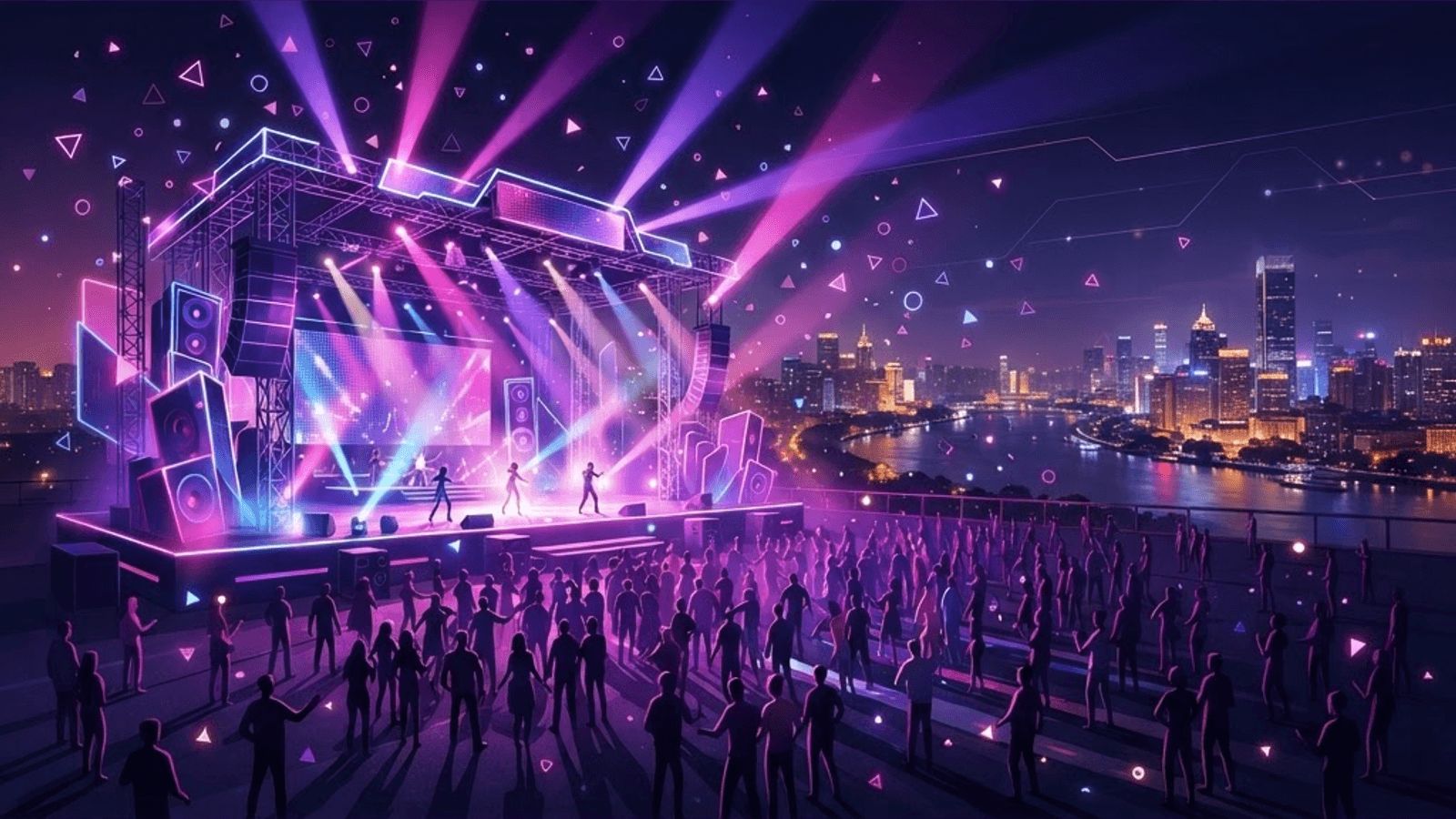
Why Yonkers Has Become an Event Destination
For years, Westchester clients planning significant events looked automatically toward Manhattan. That has changed. Yonkers now offers waterfront venues with genuine Hudson River and Palisades views, restored industrial spaces suited to modern loft-style receptions, large-scale hospitality facilities near the raceway district, and cultural venues along the redeveloped downtown corridor. Combined with easier parking, more flexible load-in windows, and pricing well below Midtown, the city has become a practical choice for weddings, galas, product launches, and community festivals.
That opportunity comes with complexity. Yonkers events often involve historic buildings with power limitations, waterfront wind and weather exposure, municipal permitting for outdoor gatherings, and tight urban loading logistics. Strong event management companies exist to absorb that complexity so clients experience only the finished result.
What Event Management Actually Includes
Full-service event management covers far more than decoration. It includes concept development, venue sourcing and contract negotiation, budget construction and tracking, vendor selection and coordination, production design covering staging, lighting, and audio, floor plan and guest flow design, permitting and insurance compliance, staffing, run-of-show scheduling, day-of execution, and post-event reconciliation. Companies that handle all of it are managing risk, not just aesthetics.
The Top 10 Event Management Companies in Yonkers
1. Hudson Waterfront Events
This company has built its reputation on outdoor and waterfront production, which in Yonkers means mastering the variables most planners fear: wind loading on tenting and staging, sightline management around river views, and credible weather contingency planning. Its proposals typically include a fully costed backup plan rather than a vague promise, which is exactly what clients want when spending significantly on a single date. Weddings and large corporate receptions are its core work.
2. Getty Square Event Collective
Getty Square Event Collective specializes in cultural programming, community festivals, and public events. Its expertise is logistical: street closures, vendor coordination, accessibility planning, crowd flow, and multi-stakeholder communication involving business associations and municipal departments. For any event that involves public space, this operational fluency is far more valuable than design flourish.
3. Riverline Corporate Meetings Group
Corporate clients tend to care about reliability, technology, and documentation, and this group is structured around all three. It handles conferences, sales kickoffs, training sessions, hybrid meetings with live streaming, and executive off-sites. Deliverables include detailed run-of-show documents, technical rider management, registration systems, and post-event reporting on attendance and engagement.
4. Nepperhan Weddings & Celebrations
Focused entirely on weddings and milestone celebrations, this company offers full planning, partial planning, and month-of coordination tiers, which lets couples buy only what they need. Its strongest asset is a genuinely vetted vendor network across Westchester, meaning recommended photographers, florists, and caterers have been tested on real timelines rather than pulled from a directory. Multicultural ceremony experience is a notable strength.
5. Palisade Production Services
Palisade sits on the technical side of the industry, providing staging, lighting design, audio engineering, video walls, and power distribution. Many other planners on this list subcontract to companies like this one. Clients producing awards nights, concerts, or presentation-heavy conferences often engage Palisade directly, then layer a planner on top for hospitality and guest experience.
6. Yonkers Catering & Event Design
Combining culinary production with event styling, this company is a strong fit for clients who consider food the centerpiece. It handles menu development, tastings, service staffing, bar programs, rentals, and table design as a single coordinated package. Consolidating catering and design under one contract reduces the finger-pointing that occurs when two vendors disagree about timing or layout.
7. Saw Mill Nonprofit Gala Partners
Fundraising events have a different success metric: net revenue. This company builds galas, auctions, and donor appreciation events around that reality, managing sponsorship fulfillment, auction technology, donor seating strategy, program pacing, and the appeal moment itself. Clients receive revenue analysis afterward, which allows organizations to improve year over year rather than repeating the same format.
8. Ridge Hill Experiential Marketing
Brand activation is its own discipline, and this firm handles product launches, retail pop-ups, sampling programs, and consumer experiences designed to generate content and data. Its work emphasizes measurable outcomes such as footfall, dwell time, sample conversion, and social sharing. Retail and hospitality clients across the corridor make up most of its portfolio.
9. Hollow Brook Private Events
Serving smaller, high-touch gatherings, this company focuses on private dinners, anniversary celebrations, milestone birthdays, and intimate home-based events. Because guest counts are lower, execution standards are visibly higher: service ratios, custom detailing, and discreet staffing define the offer. Clients who dislike large impersonal productions typically end up here.
10. Bronx River Event Logistics
This company handles the unglamorous but essential layer of event operations: rentals coordination, transportation, load-in and load-out scheduling, staffing, permits, and site management. It frequently supports larger productions as an operational partner, and it is a practical choice for clients who have a clear vision but need professional execution muscle rather than creative direction.
Budgeting Realistically
A useful starting framework allocates roughly forty to fifty percent of an event budget to food, beverage, and service, fifteen to twenty percent to venue, ten to twenty percent to production including staging, lighting, and audio, ten percent to design and florals, and ten to fifteen percent to planning fees and contingency. The contingency line is not optional. Weather, guest count changes, and last-minute technical needs are normal, and events without reserve funds tend to make visible compromises at the worst possible moment.
Questions to Ask Before Signing
Ask who will physically be on site on event day and whether that person is the one you have been meeting. Request references for events of similar scale and format. Confirm liability insurance limits and whether they satisfy your venue's requirements. Clarify how vendor payments flow, whether through the planner or directly from you, and how commissions or markups are disclosed. Finally, ask for a sample run-of-show. A company that cannot produce a detailed timeline for a past event will improvise on yours.
Final Thoughts
Yonkers offers a rare combination of characterful venues, real logistical flexibility, and pricing that still compares favorably to New York City. The ten companies above cover the full spectrum from technical production to intimate private hosting. Match the company to the specific type of event you are producing rather than to the most polished portfolio, and confirm operational details in writing well before the date.