
Equipment Supply as Operational Infrastructure
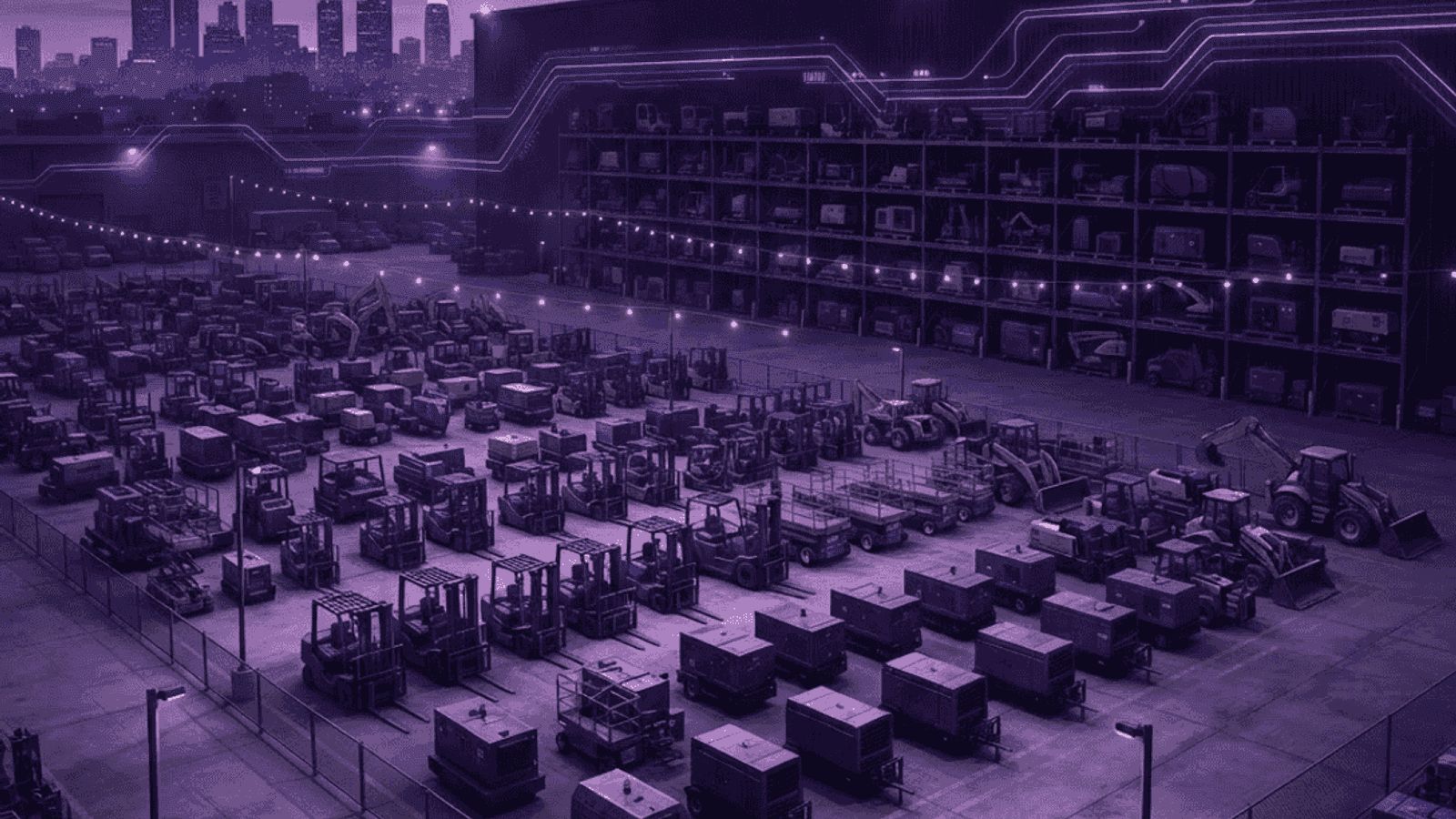
For any business that depends on machinery, the equipment supplier is not merely a vendor but part of the operating infrastructure. A downed excavator on a grading job, a failed forklift in a distribution center, or a compressor outage in a manufacturing plant halts productive work immediately. What separates a good equipment wholesaler from a mediocre one is rarely acquisition price; it is parts availability, technician response time, and honest advice about which machine actually fits the application.
Tulsa is well positioned in this respect. The region's construction activity, industrial base, energy sector, and substantial warehousing and distribution footprint sustain a dense equipment market covering earthmoving, material handling, compressed air, power generation, and specialized industrial machinery, along with the service networks those categories require.
Segments of the Equipment Market
Heavy construction equipment covers excavators, dozers, loaders, and compaction machinery. Material handling includes forklifts, pallet jacks, conveyors, and warehouse racking systems. Compressed air and power generation covers compressors, generators, and air treatment. Aerial and access equipment includes scissor lifts, boom lifts, and telehandlers. Industrial process equipment covers pumps, blowers, mixers, and specialized machinery. Small equipment and tools serve contractors with compactors, saws, and generators. Agricultural equipment serves the region's substantial farming operations. Rental fleets overlap all categories and often lead to eventual purchases.
The Leading Equipment Wholesalers Serving Tulsa
Warren CAT
As the Caterpillar dealer for much of Oklahoma, Warren CAT supplies heavy construction and power systems equipment along with an extensive parts and service network. Contractors choose it largely for uptime support: field service capability, parts availability, and equipment monitoring that flags maintenance needs before failures occur.
Kirby-Smith Machinery
Kirby-Smith serves the region with construction and industrial equipment across multiple manufacturer lines, plus rental and used equipment inventory. Its multi-line approach lets contractors match specific machines to specific applications rather than standardizing on a single manufacturer for everything.
United Rentals
United Rentals operates one of the largest rental fleets in the market, covering aerial work platforms, earthmoving, power, and specialty categories. For contractors managing variable workloads, renting converts a fixed capital commitment into a project cost while eliminating maintenance and storage burden.
Sunbelt Rentals
Sunbelt provides comparable rental breadth with particular strength in specialty categories such as pumping, climate control, and shoring. Industrial plants in the Tulsa area frequently use it for turnaround and shutdown work where large amounts of temporary equipment are needed for a defined window.
H&E Equipment Services
H&E combines rental with new and used equipment sales and service support. Its hybrid model appeals to buyers who want to rent a machine, evaluate it in real conditions, and then apply rental payments toward purchase if it proves suitable for their work.
Toyota Material Handling and Forklift Dealers
Forklift dealers serving Tulsa supply new and used lift trucks, fleet management programs, operator training, and preventive maintenance contracts. For distribution operations, the maintenance program often determines value more than the machine itself, since an unplanned lift truck failure can bottleneck an entire shipping dock.
Compressed Air and Power Equipment Distributors
Compressed air specialists supply rotary screw and reciprocating compressors, dryers, filtration, and piping, along with system audits that frequently uncover significant energy waste. Given that compressed air is among the most expensive utilities in a plant, this analysis often pays for itself quickly.
Industrial Pump and Process Equipment Suppliers
Process equipment distributors serve manufacturing, water treatment, and energy customers with pumps, blowers, mixers, and mechanical seals. Their application engineering matters greatly, because a pump selected without proper attention to system curves and fluid characteristics will fail repeatedly regardless of build quality.
Agricultural Equipment Dealers
Dealers serving the agricultural community around Tulsa supply tractors, implements, hay equipment, and utility vehicles. Seasonal timing is unforgiving in farming, so parts availability and field service during planting and harvest windows are the primary measures of dealer quality.
Used and Auction Equipment Channels
Used equipment dealers and auction operations provide access to machinery at reduced cost. Buyers can find genuine value here, but success depends on thorough inspection, verified maintenance history, and realistic assessment of remaining component life on major systems.
Trends Shaping Equipment Purchasing
Telematics has become standard rather than optional. Machine monitoring provides utilization data, fault codes, location, and maintenance alerts, which helps fleet managers right-size their equipment and shift from reactive to scheduled maintenance.
Emissions regulation continues to influence equipment specification and total cost. Newer engines require specific fluids and maintenance practices, and technicians need training on aftertreatment systems. Dealers who support that transition properly prevent expensive downtime.
Electrification is advancing fastest in material handling and compact equipment. Electric forklifts have largely displaced internal combustion units in indoor applications, and battery-powered compact excavators and loaders are entering the market where noise and emissions constraints apply.
Rental penetration keeps growing. Rather than owning equipment used only occasionally, contractors increasingly own core machines and rent the rest, which improves capital efficiency and reduces exposure to utilization risk.
Technician availability remains the industry's constraint. Skilled equipment technicians are scarce nationally, and dealers who invest in training programs and retention deliver noticeably better service response than those who do not.
How to Evaluate an Equipment Wholesaler
Ask about service before discussing price. Determine how many field technicians serve the area, typical response time, whether service trucks are equipped for on-site repair, and how after-hours calls are handled. This single factor usually determines total cost more than the purchase discount.
Verify parts availability. Confirm what is stocked locally, what ships from a regional distribution center, and what lead times apply to major components. A machine waiting on a part for two weeks is a very expensive asset.
Evaluate total cost of ownership realistically. Combine purchase price, expected fuel or energy consumption, maintenance intervals, parts pricing, and projected resale value. Machines with higher initial cost frequently prove cheaper across a full ownership cycle.
Consider rental as a discovery mechanism. Renting a specific model on a real job reveals operator ergonomics, cycle times, and maintenance access far better than any specification sheet, and rental-purchase options reduce the risk of a poor buying decision.
Confirm training and documentation support. Operator training improves safety and reduces damage, while accessible parts manuals and diagnostic access let in-house maintenance teams handle routine work without a service call.
Final Thoughts
Tulsa's equipment market gives buyers a strong combination of major dealer networks, broad rental fleets, and specialized industrial distributors. The businesses that get the most from it evaluate suppliers primarily on uptime support rather than acquisition cost, use rental strategically to match capacity to workload, and maintain long-term relationships that earn priority when equipment fails at the worst possible moment. In equipment, reliability of the supplier is inseparable from reliability of the machine.