
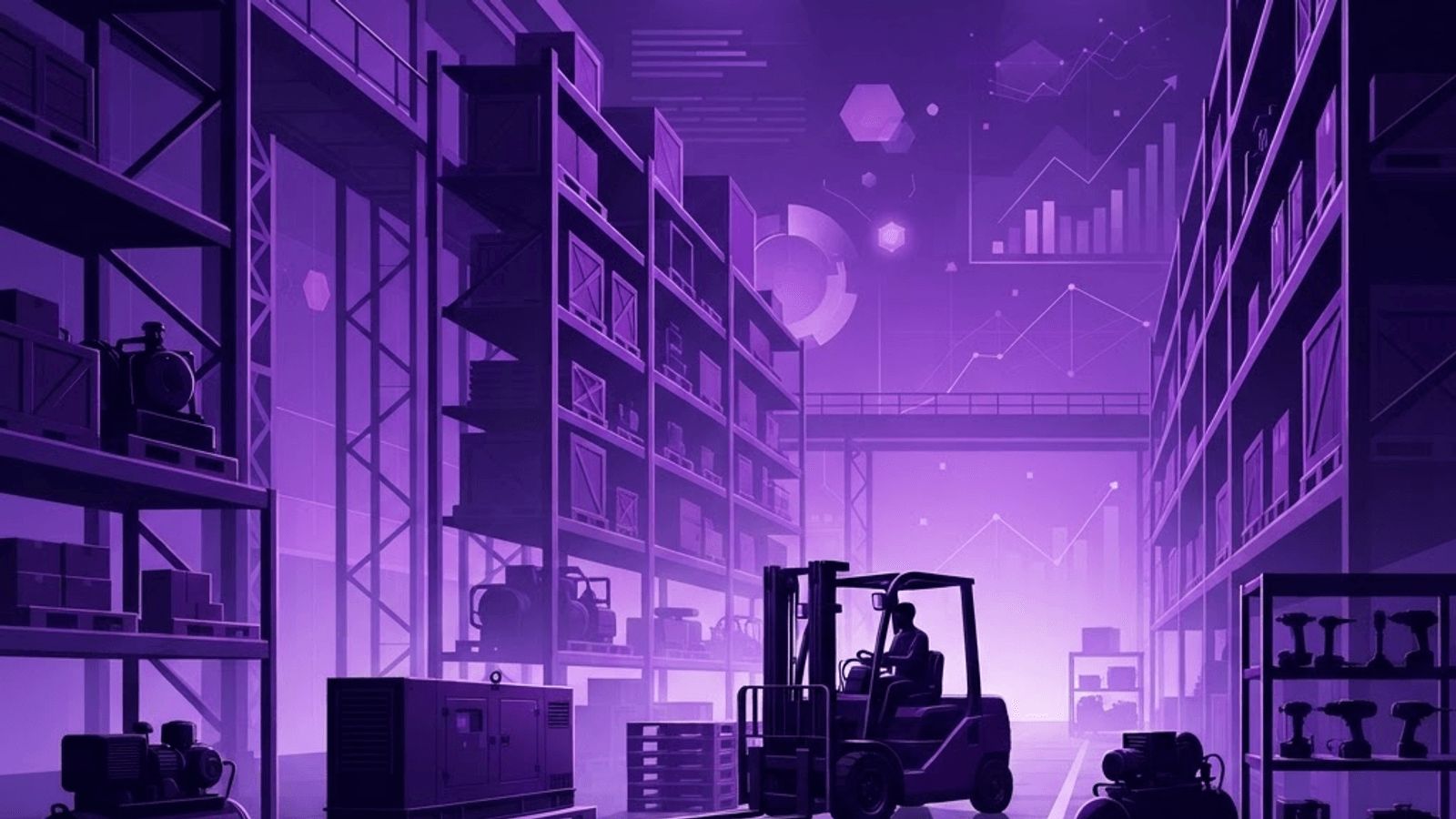
Equipment Supply as a Business Enabler
Equipment is rarely a simple purchase. A compressor, forklift, commercial oven, or generator represents a multi-year commitment where downtime carries a real cost. That is why equipment wholesalers in Ramapo compete on far more than price: parts availability, service technicians, training, and financing options often determine which supplier a business chooses.
The local equipment wholesale sector spans construction machinery, material handling, foodservice equipment, HVAC and mechanical systems, janitorial machines, medical equipment, and power tools. Each category has its own dynamics, but the underlying evaluation criteria are remarkably consistent.
The Real Cost of Equipment
Purchase price is typically a minority of total ownership cost. Energy consumption, consumables, routine maintenance, repair parts, and eventual resale value all contribute. A slightly more expensive machine with better efficiency and readily available parts frequently costs less over five years than a cheaper alternative with scarce components.
Downtime cost deserves explicit calculation. For a commercial kitchen, a failed refrigeration unit can mean spoiled inventory and lost service. For a contractor, an out-of-service lift can halt an entire crew. Wholesalers who stock parts locally and maintain service technicians materially reduce that exposure.
The Top 10 Equipment Wholesalers in Ramapo
1. Ramapo Equipment Supply — A general industrial equipment wholesaler carrying compressors, generators, pumps, and shop machinery with in-house service capability.
2. Monsey Foodservice Equipment — Supplies commercial kitchen equipment including ranges, refrigeration, and warewashing systems, with kitchen design and installation support.
3. Suffern Construction Machinery — Distributes compact excavators, skid steers, lifts, and attachments, offering both sales and rental to contractors.
4. Airmont Material Handling — Focuses on forklifts, pallet jacks, racking, and conveyors, with fleet management programs for warehouse operators.
5. Spring Valley HVAC Equipment Distribution — Wholesales heating, cooling, and ventilation equipment to mechanical contractors, including controls and replacement components.
6. Hillburn Power Tool Wholesale — Supplies professional-grade hand and power tools, batteries, and accessories, with repair service and warranty processing on site.
7. Pomona Cleaning Equipment Supply — Provides floor scrubbers, extractors, and janitorial machines along with chemicals and operator training for facility teams.
8. New Hempstead Medical Equipment Distributors — Serves clinics and care facilities with examination, mobility, and diagnostic equipment, including preventive maintenance contracts.
9. Wesley Hills Landscaping Equipment — Distributes commercial mowers, blowers, and outdoor power equipment, with seasonal servicing programs for landscape contractors.
10. Rockland Used Equipment Exchange — Handles quality inspected pre-owned machinery, a practical option for startups and businesses expanding capacity on a budget.
Buy, Rent, or Lease
The right acquisition method depends on utilization. Equipment used daily generally justifies purchase. Equipment needed occasionally is usually cheaper to rent, since rental pricing includes maintenance and eliminates storage and insurance burdens. Leasing sits in between, preserving capital while providing consistent access and often including service.
Many Ramapo wholesalers offer all three models, and the better ones will advise honestly on which fits. A supplier who pushes a purchase on equipment a customer will use twice a year is optimizing their sale rather than the customer's outcome.
Service, Parts, and Training
Ask specific questions about service before buying. How many technicians does the supplier employ? What is the typical response time for a breakdown? Are common wear parts stocked locally or ordered from a regional warehouse? Is loaner equipment available during extended repairs?
Training is undervalued. Operator error causes a substantial share of equipment failures and workplace injuries. Suppliers who provide hands-on training at delivery, along with documentation and refresher sessions, reduce both risk and repair frequency.
Safety and Compliance
Much equipment carries regulatory obligations. Powered industrial trucks require operator certification, lifting equipment requires periodic inspection, and pressure vessels have their own requirements. Foodservice equipment must meet sanitation standards, and medical equipment requires documented maintenance. Wholesalers familiar with these obligations help customers stay compliant rather than discovering gaps during an inspection.
Making the Decision
Define the duty cycle honestly before shopping. Buying light-duty equipment for heavy-duty use is the most common and expensive mistake in this category. Compare total cost of ownership over a realistic service life, including expected consumables and maintenance intervals.
Request references from customers with similar applications, and ask specifically about service responsiveness rather than sales experience. Confirm warranty terms in writing, including what is covered, for how long, and whether labor is included.
Financing and Capital Planning
Equipment purchases rarely happen in isolation from financing decisions. Many wholesalers in the area work with lenders offering equipment loans, and manufacturers frequently run subsidized rate promotions during slower seasons. Comparing the true cost of a promotional rate against a cash discount is worthwhile, since the discount sometimes outweighs the financing benefit.
Timing matters too. Businesses planning a capital purchase should consider fiscal year positioning, available deductions for equipment investment, and the trade-in value of machinery being replaced. Trading in while a machine still has service life remaining usually recovers far more than running it to failure, and wholesalers will often apply generous trade allowances when it helps close a sale during a slow quarter.
Final Thoughts
Equipment wholesalers in Ramapo cover industrial, construction, foodservice, material handling, HVAC, cleaning, medical, and landscaping categories. The strongest partners pair competitive equipment pricing with local parts inventory, capable technicians, and meaningful training. Businesses that evaluate suppliers on total ownership cost and service capability make purchasing decisions that continue paying off years after the invoice is settled.