
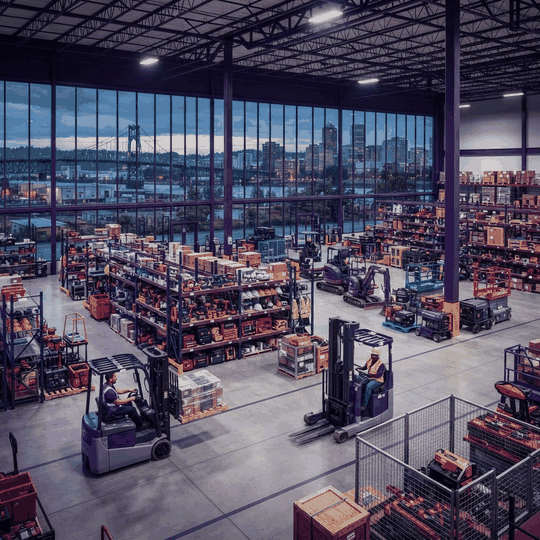
Portland's Equipment Wholesale Market Overview
From construction sites to commercial kitchens and manufacturing floors, Portland businesses depend on equipment wholesalers to supply the tools and machinery that keep operations running. These distributors provide everything from power tools and safety gear to material-handling systems and specialized industrial equipment. In a growing regional economy, reliable equipment supply is essential to meeting project deadlines and maintaining productivity.
Portland's active construction sector, robust small-business community, and industrial base create diverse demand. Wholesalers that can serve multiple industries with quality products and dependable logistics hold a strong position in this competitive market.
What Defines a Leading Equipment Wholesaler
Reliability and product durability are the foundation of a strong equipment wholesaler. Buyers need dependable machinery that withstands demanding use, so distributors who stock reputable, well-built brands earn lasting trust. Availability matters just as much; a delayed part or tool can stall an entire project.
Technical knowledge and after-sales support further distinguish the best wholesalers. Clients value suppliers who can recommend the right equipment, provide maintenance guidance, and facilitate warranty service. Rental options, financing, and bulk pricing add flexibility that helps businesses manage costs.
Leading Equipment Wholesalers Serving Portland
Several distributors stand out across the region. Rose City Equipment Supply offers a broad catalog spanning power tools, safety gear, and jobsite essentials, serving contractors and businesses alike. Cascade Industrial Wholesale specializes in manufacturing and material-handling equipment for larger operations.
Willamette Tool & Equipment is known for professional-grade hand and power tools, while Bridgetown Construction Supply caters to builders with heavy-duty gear and jobsite necessities. Columbia Industrial Distributors serves warehouses and factories with automation and handling systems.
Additional standouts include Northwest Safety & Equipment, focused on protective gear and compliance products; Stumptown Equipment Group, praised for versatile inventory; and Hawthorne Restaurant Equipment, a specialist in commercial kitchen gear. Powell Street Machinery Wholesale supplies compact machinery and shop equipment, and Pearl District Equipment Supply rounds out the list with strong service for urban businesses.
Trends Influencing Equipment Distribution
Sustainability and efficiency are driving equipment choices, with buyers increasingly seeking energy-efficient machinery and battery-powered tools that reduce emissions and operating costs. Automation and smart equipment are also expanding, particularly in warehousing and manufacturing, prompting wholesalers to broaden their technical offerings.
Rental and flexible ownership models continue to grow as businesses aim to control capital expenses. Many wholesalers now blend sales, rentals, and service, giving clients more ways to access the equipment they need without overcommitting resources.
Choosing the Right Equipment Wholesale Partner
When selecting an equipment wholesaler, Portland businesses should weigh inventory range, brand quality, availability, and support services. Confirming warranty terms, delivery capabilities, and maintenance options helps prevent downtime. A wholesaler with technical expertise and flexible purchasing options becomes a valuable long-term partner.
In a market where productivity depends on dependable tools, the right equipment wholesaler can make the difference between meeting and missing deadlines. By partnering with distributors who combine quality, availability, and expert support, Portland businesses can equip their teams for consistent success.
Practical Steps Before Opening an Account
Before placing a first order, create a concise purchasing brief that lists required specifications, acceptable substitutions, target margins, delivery frequency, and expected monthly volume. Share it with shortlisted suppliers and compare their answers on equal terms. Ask for samples or a small trial order whenever possible. This provides a realistic view of product consistency, packing standards, invoicing accuracy, and communication without exposing the business to unnecessary risk.
References from similar Portland businesses can reveal how a supplier performs during busy periods, not merely when courting a new account. Buyers should also review minimum-order requirements, payment terms, damage or return procedures, fuel surcharges, and policies for shortages. Written expectations protect both parties. If sustainability matters to customers, request meaningful evidence about sourcing, packaging, waste reduction, or third-party certifications rather than relying on broad claims.
Planning for Portland Logistics and Seasonality
Portland's location offers access to Interstate 5, regional rail, air freight, and marine shipping, but congestion, winter weather, wildfire disruptions, and seasonal demand can still affect delivery. Strong buyers plan reorder points around realistic lead times and keep sensible safety stock for indispensable items. At the same time, carrying too much inventory ties up cash and increases the chance of damage or obsolescence. A simple inventory review each month helps balance availability with financial discipline.
Seasonality deserves particular attention in the Pacific Northwest. Tourism, holidays, school calendars, construction cycles, harvest windows, and wet-weather demand can create sharp changes in purchasing patterns. Sharing forecasts with a wholesale partner allows that supplier to reserve stock and schedule transport more effectively. Quarterly business reviews are useful for discussing fill rates, returns, upcoming promotions, and opportunities to consolidate deliveries.
Building a Productive Long-Term Relationship
The best wholesale arrangements are collaborative rather than purely transactional. Designate one person to manage communication, document recurring issues, and monitor useful measures such as on-time delivery, order accuracy, defect rate, and response time. Give suppliers prompt, specific feedback and pay according to agreed terms. In return, expect transparency about shortages, price changes, and substitute products.
It is prudent to maintain a qualified backup source for critical goods, yet constantly switching vendors for a minor price difference can undermine service and continuity. Total value includes dependable availability, reduced administrative effort, knowledgeable support, and fewer customer complaints. Portland businesses that combine careful comparison with respectful partnership are better positioned to secure favorable terms, adapt to market changes, and build a supply chain that supports sustainable growth.