
Equipment Buying in a Growth Market
Plano sits inside one of the most sustained construction and commercial expansion corridors in the country. New office fit outs, restaurant openings, warehouse development, and residential building all generate demand for capital equipment. That demand supports a healthy wholesale and distribution network covering construction machinery, food service equipment, material handling, HVAC, and specialized trade tools.
Equipment purchasing differs fundamentally from consumable purchasing. The acquisition price is often the smaller part of total cost. Downtime, parts lead time, technician availability, fuel or power consumption, and eventual resale value together determine whether a machine was a good decision. Buyers who evaluate only the invoice frequently discover the expensive part later.
Purchase, Rent, or Lease
The first decision is not which supplier but which acquisition model. Ownership makes sense when utilization is high and predictable, when the machine is central to daily operations, and when the operator has maintenance capability in house. Rental fits project specific needs, seasonal peaks, and specialized machines used a few times a year. Leasing sits between the two and appeals to businesses that want current equipment without residual value risk.
A useful rule is to compare annual rental spend against roughly one third of purchase price. When rental exceeds that threshold consistently, ownership usually wins. Equally important, ask whether the supplier offers rental to purchase conversion, which allows a trial period before committing capital.
Ten Equipment Wholesalers Serving Plano
Plano Industrial Equipment Supply operates broadly across compaction, concrete, and general construction equipment. Its in house service department is the primary reason contractors consolidate purchases there rather than chasing the lowest quote.
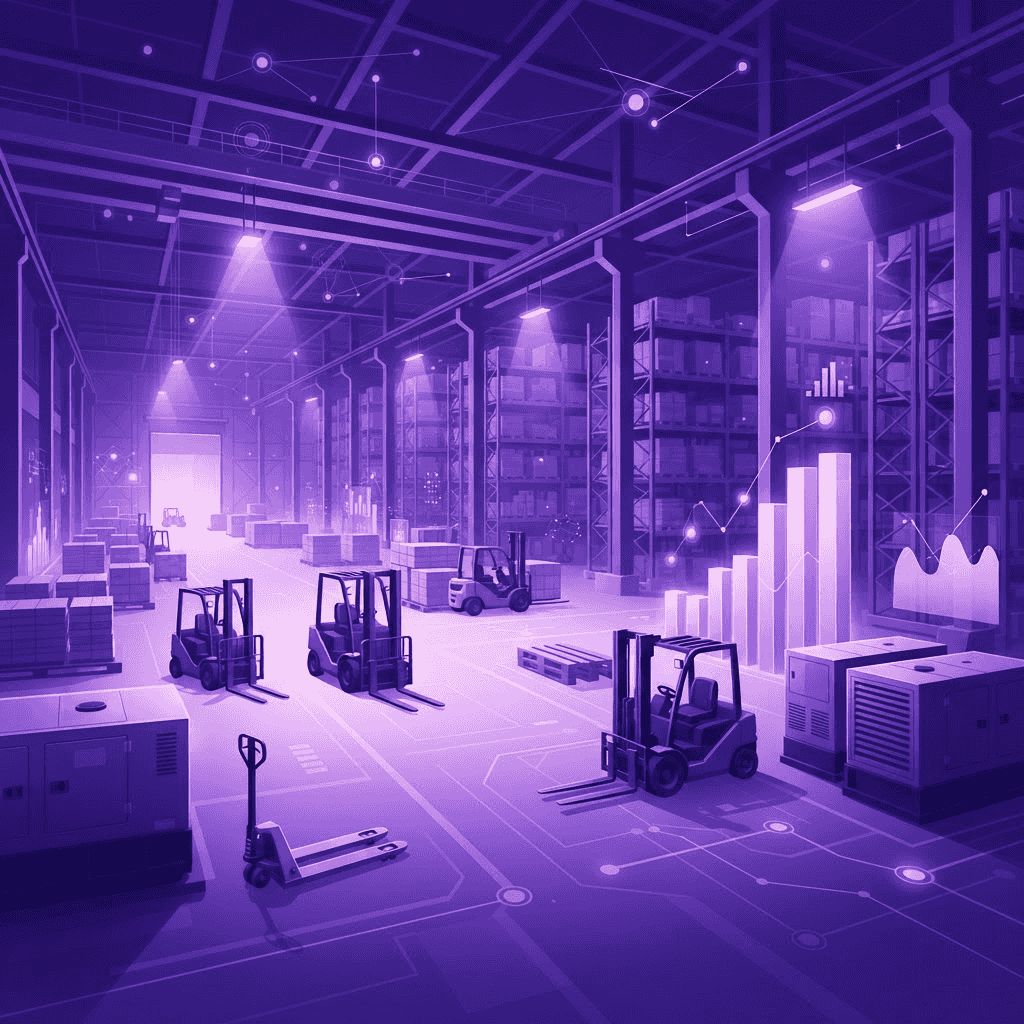
North Texas Material Handling focuses on forklifts, pallet jacks, conveyors, and warehouse racking. With regional distribution growth, this category has expanded quickly, and the supplier offers operator training alongside equipment.
Metroplex Restaurant Equipment Wholesale supplies commercial kitchens with ranges, refrigeration, ventilation, and prep equipment. Restaurant openings run on tight timelines, and coordinated delivery with installation scheduling is the differentiating capability.
Lone Star Landscape and Turf Equipment serves commercial grounds crews with mowers, trimmers, aerators, and irrigation tools. Fleet maintenance programs keep seasonal crews productive during peak months.
Collin County HVAC Equipment Distributors handles condensing units, air handlers, ductwork, and controls. Contractors value technical sizing support, since undersized or oversized systems generate callbacks and comfort complaints.
Precision Machine Tool Supply covers metalworking and fabrication equipment including lathes, mills, press brakes, and welding systems. Tooling availability and calibration service round out the offering for job shops.
Star Power and Generator Wholesale distributes portable and standby generators, transfer switches, and load bank testing. Storm resilience and data dependent operations have made backup power a routine rather than exceptional purchase.
Texas Medical and Lab Equipment Supply serves clinics and diagnostic facilities with exam room, imaging support, and laboratory equipment. Certification documentation and preventive maintenance contracts are central to this category.
Preston Fitness Equipment Distribution supplies gyms, corporate wellness rooms, and multifamily amenity spaces with cardio and strength equipment. Commercial warranty terms differ substantially from consumer grade, and this distinction is where buyers most often err.
Heritage Farm and Ranch Equipment completes the list with compact tractors, implements, utility vehicles, and fencing equipment serving properties on the northern edge of the metroplex.
Trends Shaping Equipment Selection
Electrification is expanding beyond passenger vehicles into compact construction equipment, material handling, and lawn care. Battery machines eliminate emissions concerns for indoor and noise sensitive work, and total cost of ownership is increasingly competitive once fuel and maintenance are counted. Buyers should still evaluate charging infrastructure honestly, since a machine that cannot be recharged during a shift may not fit the workflow.
Telematics has become standard on mid and large equipment. Usage tracking, fault code reporting, and geofencing reduce theft and improve maintenance scheduling. For fleets above roughly ten units, telematics data typically pays for itself through better utilization visibility alone.
Parts supply has also become a competitive battleground. Manufacturers with regional parts depots dramatically outperform those shipping from a single national warehouse when a machine is down and a crew is idle.
Evaluating a Supplier Properly
Ask about average parts lead time for the specific models you are considering, not the brand in general. Confirm how many factory trained technicians serve the area and what the typical response window is for an on site service call. Request the preventive maintenance schedule and its cost, since that recurring expense belongs in your total cost calculation.
Verify warranty scope carefully, particularly which components are excluded and whether commercial use changes coverage. Ask for utilization data or hour meter readings on any used equipment, and insist on an independent inspection for high value purchases.
Finally, discuss resale. Suppliers who actively trade used equipment can often estimate residual value, which materially affects the true cost of ownership over a five year horizon.
Final Thoughts
The strongest equipment supplier in Plano is rarely the one with the lowest quote. It is the one whose parts inventory, service technicians, and training support keep your equipment producing revenue. Decide the acquisition model first, match the equipment grade honestly to your duty cycle, and evaluate suppliers on downtime performance. Equipment that runs reliably for a decade is far cheaper than equipment that was inexpensive to buy and difficult to keep working.