
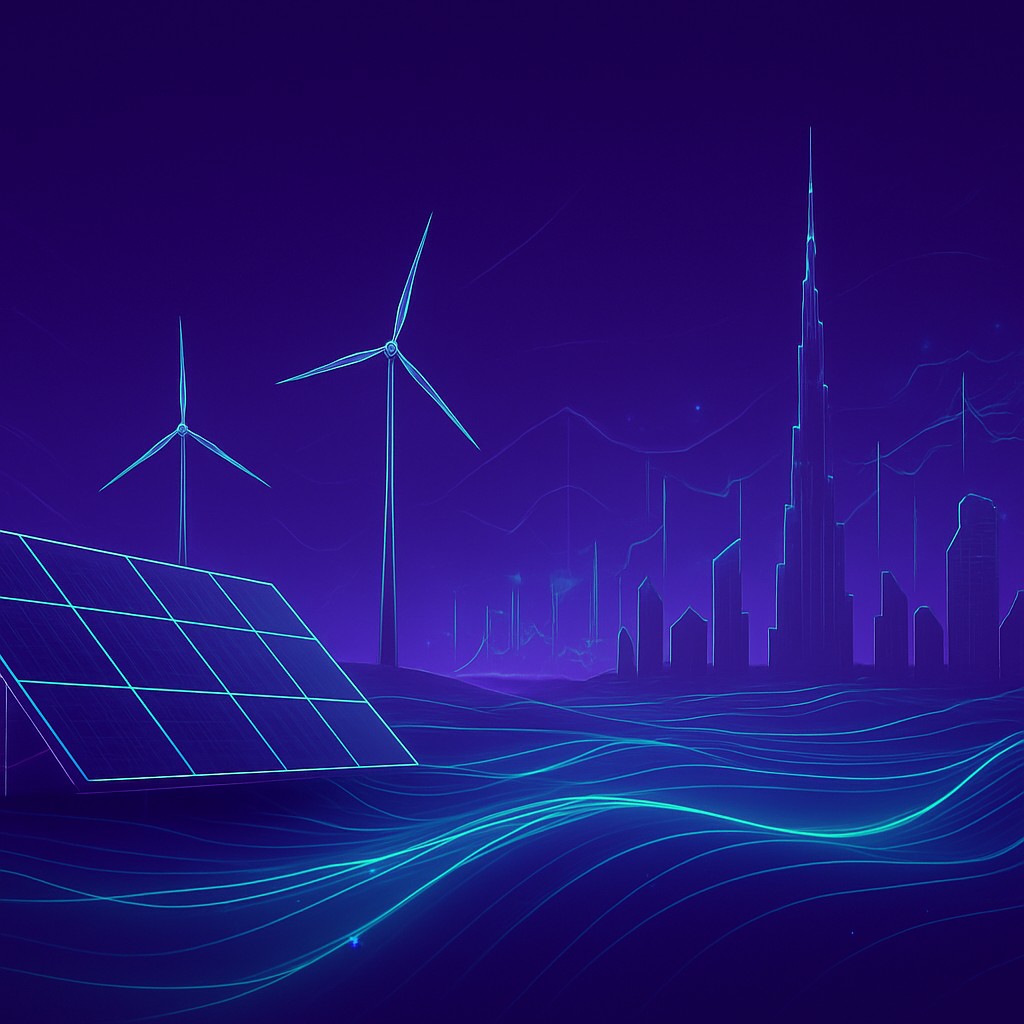
The Evolving Energy Landscape of the UAE
The United Arab Emirates has long been synonymous with energy. As one of the world's most significant producers of crude oil and natural gas, the nation has built its modern prosperity on a foundation of robust energy infrastructure. Yet the story of energy in the UAE is no longer just about hydrocarbons. Over the past decade, the country has emerged as a regional leader in solar power, nuclear generation, and clean energy innovation, driven by ambitious national strategies such as the UAE Energy Strategy 2050. This dual identity, balancing world-class fossil fuel production with aggressive diversification, makes the UAE energy market one of the most dynamic in the world.
For businesses, investors, and households alike, understanding the leading energy suppliers is essential. These organizations not only keep the lights on across Dubai, Abu Dhabi, and the northern emirates, but they also fund research, develop infrastructure, and set the standards for reliability and sustainability across the Gulf region.
What Defines a Leading Energy Supplier
Quality energy suppliers in the UAE are distinguished by several key factors. Reliability of supply is paramount in a country where extreme temperatures place enormous demands on the grid. Equally important is the move toward sustainability, with the strongest players investing heavily in renewable capacity and carbon reduction. Customer service, transparent billing, infrastructure investment, and the ability to support large industrial clients also separate the best from the rest.
The Top Energy Suppliers Shaping the Nation
Abu Dhabi National Oil Company (ADNOC) stands as the cornerstone of the UAE's energy identity. As a fully integrated energy group, ADNOC manages exploration, production, refining, and distribution at a scale few global companies can match. Its commitment to responsible production and decarbonization initiatives has positioned it as a forward-looking leader rather than a purely traditional producer.
Dubai Electricity and Water Authority (DEWA) is the backbone of Dubai's remarkable growth. DEWA has earned international recognition for the Mohammed bin Rashid Al Maktoum Solar Park, one of the largest single-site solar projects on the planet. Its smart-grid technologies and digital customer services have set benchmarks for utility modernization in the region.
Emirates Water and Electricity Company (EWEC) plays a central role in Abu Dhabi, overseeing the planning and procurement of water and electricity. EWEC has championed record-breaking solar tariffs and integrated clean energy sources, demonstrating that sustainability and affordability can advance together.
Emirates Nuclear Energy Corporation (ENEC) represents a milestone for the entire Arab world through the Barakah Nuclear Energy Plant. By delivering clean, baseload electricity at scale, ENEC has fundamentally reshaped the UAE's generation mix and reduced its carbon footprint significantly.
Masdar (Abu Dhabi Future Energy Company) is the nation's flagship clean energy pioneer. With renewable projects spanning dozens of countries, Masdar has become a globally respected developer of solar and wind power, exporting Emirati expertise far beyond national borders.
TAQA (Abu Dhabi National Energy Company) operates across power generation, water desalination, and oil and gas. Its diversified portfolio and growing emphasis on low-carbon assets make it a vital pillar of the country's utility ecosystem.
Sharjah Electricity, Water and Gas Authority (SEWA) serves the emirate of Sharjah with comprehensive utility services, steadily modernizing its infrastructure and expanding capacity to meet rising demand.
Federal Electricity and Water Authority (FEWA) ensures that the northern emirates, including Ras Al Khaimah, Fujairah, and Umm Al Quwain, receive dependable power and water, supporting balanced national development.
ENOC (Emirates National Oil Company) complements the energy chain through refining, retail fuel networks, and aviation services, ensuring smooth distribution of refined products across the country.
Dubai Supply Authority (DUSUP) manages the strategic supply of natural gas to power and industrial sectors in Dubai, playing a quiet but indispensable role in keeping the emirate's economy running.
Industry Trends and the Road Ahead
Several trends define the future of energy supply in the UAE. The accelerating shift toward renewables is perhaps the most visible, with solar capacity expanding year after year and green hydrogen emerging as a promising frontier. Digitalization is transforming how suppliers manage grids, predict demand, and engage customers, while energy efficiency programs encourage both businesses and residents to reduce consumption.
Decarbonization commitments, including the nation's pledge to achieve net zero by 2050, are reshaping investment priorities across every supplier. This means that even traditional producers are channeling resources into carbon capture, cleaner fuels, and renewable partnerships.
Choosing the Right Energy Partner
For industrial and commercial clients, selecting an energy partner involves weighing reliability, pricing structures, sustainability credentials, and the supplier's capacity to scale alongside growing operations. Households, meanwhile, benefit most from suppliers offering transparent billing, responsive service, and digital tools that make managing consumption simple.
The UAE's energy suppliers collectively represent a remarkable blend of heritage and innovation. From the vast hydrocarbon reserves managed by ADNOC to the futuristic clean energy ambitions of Masdar and ENEC, these organizations are not merely keeping pace with global change, they are helping to lead it. As the nation continues its journey toward a diversified and sustainable energy future, these suppliers will remain at the heart of the UAE's economic and environmental story.