
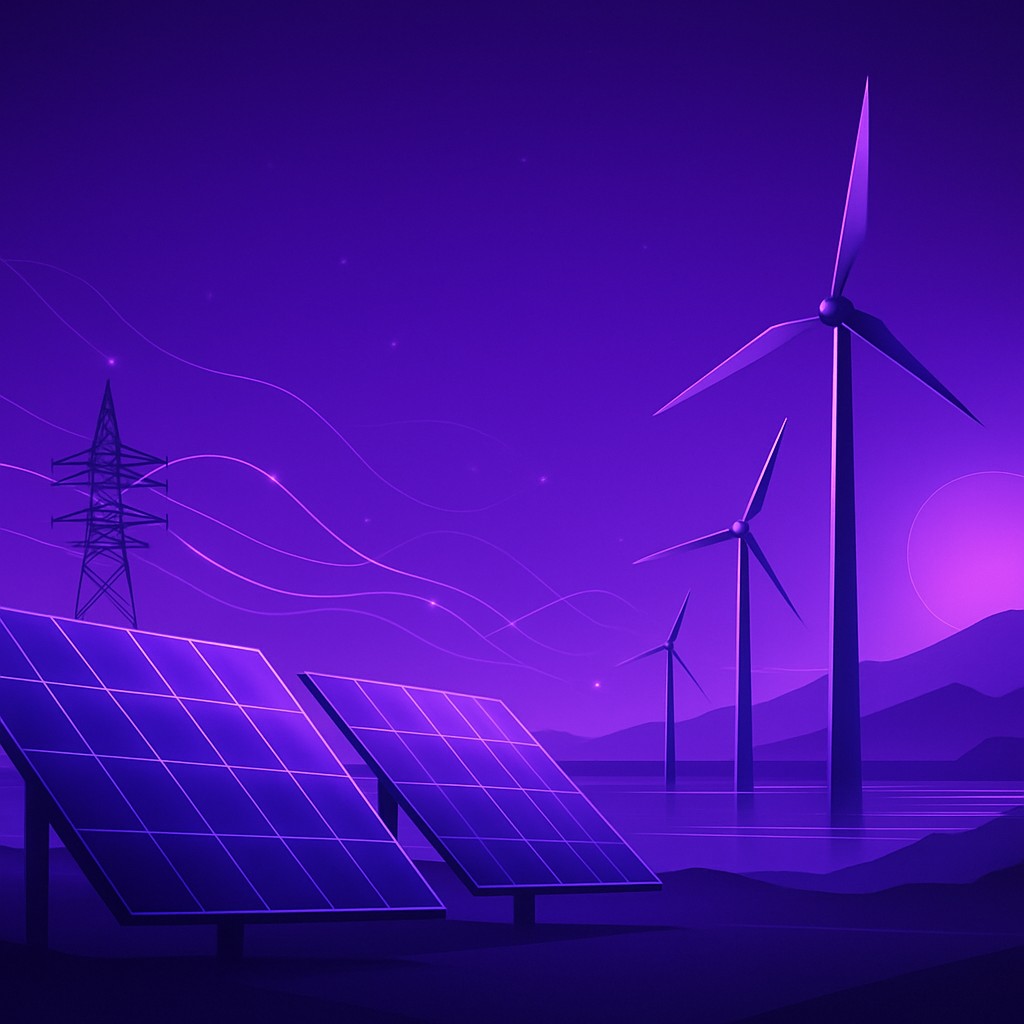
The Energy Sector in Tunisia: An Overview
Tunisia occupies a strategic position in the North African energy map, sitting between major hydrocarbon producers and the fast-growing markets of Europe. For decades the country has relied on natural gas and oil to power its homes, factories, and growing service economy. Today, however, the national conversation is shifting decisively toward energy security, diversification, and sustainability. Rising domestic demand, the need to reduce import dependence, and global decarbonization commitments have all combined to reshape how energy is produced and delivered across the country.
The suppliers leading this transformation range from large state-backed institutions to nimble private developers specializing in solar and wind. Understanding who these players are, and what differentiates them, offers valuable insight into where Tunisian energy is heading over the next decade.
What Makes a Leading Energy Supplier
The best energy suppliers in Tunisia share several common traits. They maintain reliable infrastructure capable of delivering consistent power to industrial and residential customers alike. They invest in modern grid technology and metering to reduce losses and improve transparency. Increasingly, they also demonstrate a clear commitment to renewable integration, recognizing that Tunisia's abundant sunshine and coastal wind corridors represent enormous untapped potential. Strong governance, transparent pricing, and a track record of project delivery round out the qualities that separate market leaders from the rest.
The Top 10 Energy Suppliers
1. Société Tunisienne de l'Électricité et du Gaz (STEG) remains the cornerstone of the national energy system. As the public utility responsible for the generation, transmission, and distribution of electricity and gas, STEG serves millions of customers and continues to modernize its network while expanding renewable capacity.
2. Entreprise Tunisienne d'Activités Pétrolières (ETAP) is the national oil company overseeing exploration and production partnerships. Its role in managing upstream resources makes it a central pillar of the country's hydrocarbon supply chain.
3. STEG Énergies Renouvelables (STEG ER) is the dedicated renewable subsidiary advancing solar and wind projects in line with Tunisia's clean energy roadmap, helping translate national targets into operational capacity.
4. TuNur has gained recognition for its ambitious large-scale solar vision, focusing on harnessing the high irradiation of southern Tunisia to deliver clean power with export potential to Europe.
5. Qair Tunisia, part of an established independent renewable energy producer, has been active in developing wind and solar assets, contributing fresh private investment and technical expertise to the market.
6. Scatec brings international solar development experience to Tunisia, participating in utility-scale photovoltaic projects that strengthen the country's generation mix.
7. ENGIE operates across multiple energy segments and has explored opportunities in Tunisian renewables and energy services, drawing on its global engineering and project-finance capabilities.
8. AMEA Power is a regional developer with a growing footprint in North Africa, focusing on competitive renewable projects that support grid expansion and decarbonization goals.
9. Société de Recherches et d'Exploitation des Pétroles en Tunisie (SEREPT) contributes to the upstream sector through oil and gas exploration and production, supporting domestic supply stability.
10. Voltalia rounds out the list as an internationally active renewable energy company engaged in solar and wind development, reflecting the rising tide of clean-energy investment flowing into the country.
Renewable Energy Momentum
Perhaps the most striking trend in Tunisia's energy sector is the accelerating commitment to renewables. The country enjoys some of the highest solar irradiation levels in the Mediterranean basin, alongside favorable wind conditions along its coast and interior plateaus. Policymakers have set ambitious targets to raise the share of renewables in the electricity mix, and the suppliers above are central to achieving them. Independent power producers, competitive auctions, and public-private partnerships have all become more common, signaling a maturing and increasingly open market.
Challenges and Opportunities
Despite clear progress, the sector faces real challenges. Grid modernization is essential to absorb variable renewable generation, and financing remains a key consideration for large infrastructure projects. Subsidy reform, regulatory clarity, and workforce training are ongoing priorities. Yet the opportunities are substantial. Tunisia's geographic proximity to Europe positions it as a potential clean-energy exporter, while domestic industrial growth ensures steady demand. Suppliers that combine reliability with innovation are well placed to thrive.
The Role of Natural Gas and Hydrocarbons
Even as renewables expand, natural gas continues to play a pivotal role in Tunisia's energy balance. Gas-fired power plants provide flexible, dispatchable electricity that complements intermittent solar and wind generation, helping stabilize the grid during periods of high demand. Companies engaged in exploration, production, and distribution ensure that this transitional fuel remains available and affordable. The interplay between hydrocarbons and renewables defines the current phase of Tunisia's energy evolution, with gas serving as a bridge toward a cleaner long-term mix.
Energy Efficiency and Demand Management
Beyond generation, leading suppliers are increasingly focused on the demand side of the equation. Energy efficiency programs, smart metering, and demand management initiatives help reduce waste and lower costs for consumers and businesses alike. Industrial customers, in particular, benefit from energy audits and tailored solutions that improve productivity while reducing consumption. As awareness of sustainability grows, these services are becoming an integral part of what the best energy suppliers offer, reflecting a more holistic approach to energy management across the country.
Conclusion
The energy suppliers profiled here represent the backbone of Tunisia's present and future power systems. From the established reach of STEG and ETAP to the renewable ambitions of TuNur, Scatec, and Voltalia, the market reflects a healthy balance of stability and transformation. As the country continues to diversify its energy mix and embrace sustainability, these companies will play a defining role in delivering secure, affordable, and increasingly clean energy to Tunisian homes and businesses.