
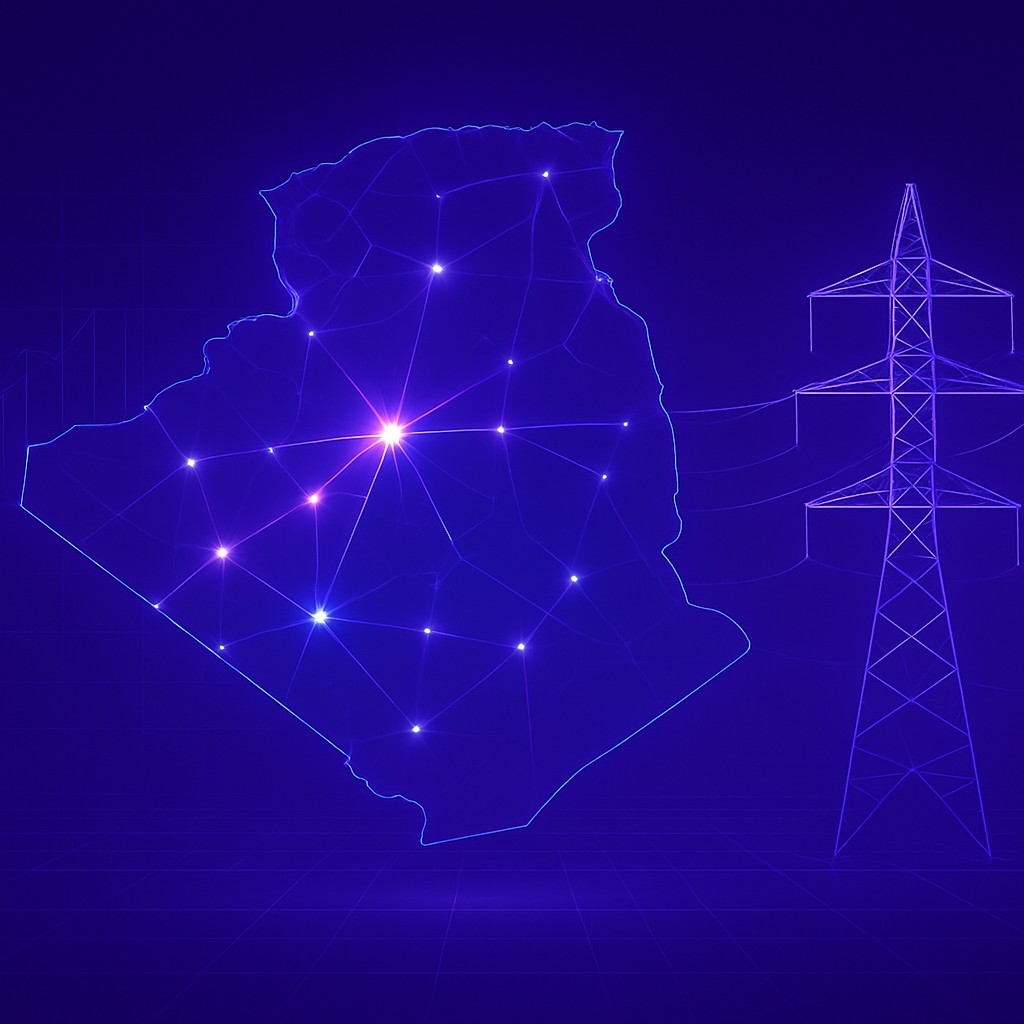
Powering a Nation in Transition
Energy supply in Algeria is a vast and intricate undertaking, spanning electricity generation, natural gas distribution, and the delivery of refined fuels to homes, businesses, and industries. With a growing population and an expanding industrial base, demand for dependable energy continues to rise. The companies that meet this demand form the backbone of national infrastructure and economic stability.
Algeria's energy suppliers operate across a wide geography, from densely populated coastal cities to remote southern communities. Serving such diverse regions requires extensive networks, robust generation capacity, and the logistical capability to reach even the most isolated areas. The best suppliers combine scale with reliability, ensuring that power and fuel are available consistently and affordably.
The Components of Energy Supply
Energy supply encompasses several interconnected activities. Electricity must be generated, transmitted across high-voltage lines, and distributed to end users. Natural gas, abundant in Algeria, is piped to households and industries for heating, cooking, and power generation. Refined fuels are distributed through networks of stations and depots. Each of these functions demands specialized expertise and significant investment.
Leading suppliers excel at coordinating these activities, balancing supply and demand while maintaining the infrastructure that keeps energy flowing. Their performance directly affects everything from industrial productivity to the comfort of ordinary households.
The Leading Energy Suppliers
Sonelgaz is the dominant force in electricity and gas distribution, operating an extensive network that reaches the vast majority of the population. As the national utility, it plays a central role in ensuring energy security.
Sonatrach, beyond its upstream activities, is a major supplier of natural gas and feedstock that powers much of the country's generation and industry.
Naftal handles the distribution and retail of petroleum products, maintaining a widespread network of fuel stations and depots across the country.
SKTM (Shariket Kahraba wa Taket Moutadjadida) focuses on renewable and decentralized generation, supplying clean power to communities and supporting the diversification of the energy mix.
SPE (Société de Production de l'Electricité), a Sonelgaz subsidiary, manages major power generation assets that feed the national grid.
GRTE (Gestionnaire du Réseau de Transport de l'Electricité) oversees the high-voltage transmission network, ensuring electricity moves reliably from generation sites to distribution zones.
GRTG (Gestionnaire du Réseau de Transport du Gaz) manages the gas transmission system, a critical link in delivering natural gas across the country.
Amimer Energie provides generation equipment and distributed power solutions, particularly valuable for industrial sites and remote locations.
Cegelec Algérie supports the sector with electrical engineering, installation, and maintenance services that keep supply infrastructure operating smoothly.
Kanaghaz contributes gas infrastructure construction and pipeline expertise that expands the reach of the distribution network.
Trends Reshaping Energy Supply
The energy supply landscape in Algeria is evolving. Investment in renewable generation is growing, driven by abundant solar resources and increasing wind activity. This shift is gradually changing the composition of the supply mix and creating opportunities for suppliers that can integrate variable renewable output into the grid.
Digitalization is another important trend. Smart metering, grid monitoring, and demand management systems are being introduced to improve efficiency and reduce losses. These technologies help suppliers anticipate demand, respond to outages quickly, and optimize the use of generation assets.
Why Reliability Defines the Best Suppliers
For consumers and industries alike, reliability is the single most important quality of an energy supplier. Interruptions in electricity or gas can halt production, disrupt services, and affect daily life. The leading suppliers invest heavily in maintenance, redundancy, and rapid response capabilities to minimize disruptions.
Affordability and transparency also matter. The best suppliers manage costs effectively and provide clear, predictable service to their customers. Their scale allows them to spread investments across large networks, delivering value while maintaining the infrastructure required for long-term stability.
Supporting Industrial Growth
Algeria's ambitions for industrial diversification depend on dependable energy. Manufacturing, processing, and emerging high-tech sectors all require stable power and fuel. The suppliers profiled here provide the foundation that makes industrial expansion possible, enabling factories to operate efficiently and businesses to plan with confidence.
Conclusion
Energy supply is the lifeblood of modern Algeria, and the companies that deliver it carry enormous responsibility. From the national utility to specialized infrastructure firms, these suppliers ensure that power and fuel reach every corner of the country. As Algeria pursues a more diversified and sustainable energy future, these organizations will remain essential partners in driving growth, supporting communities, and securing the nation's energy independence.