
Why Distribution Concentrates in Tacoma
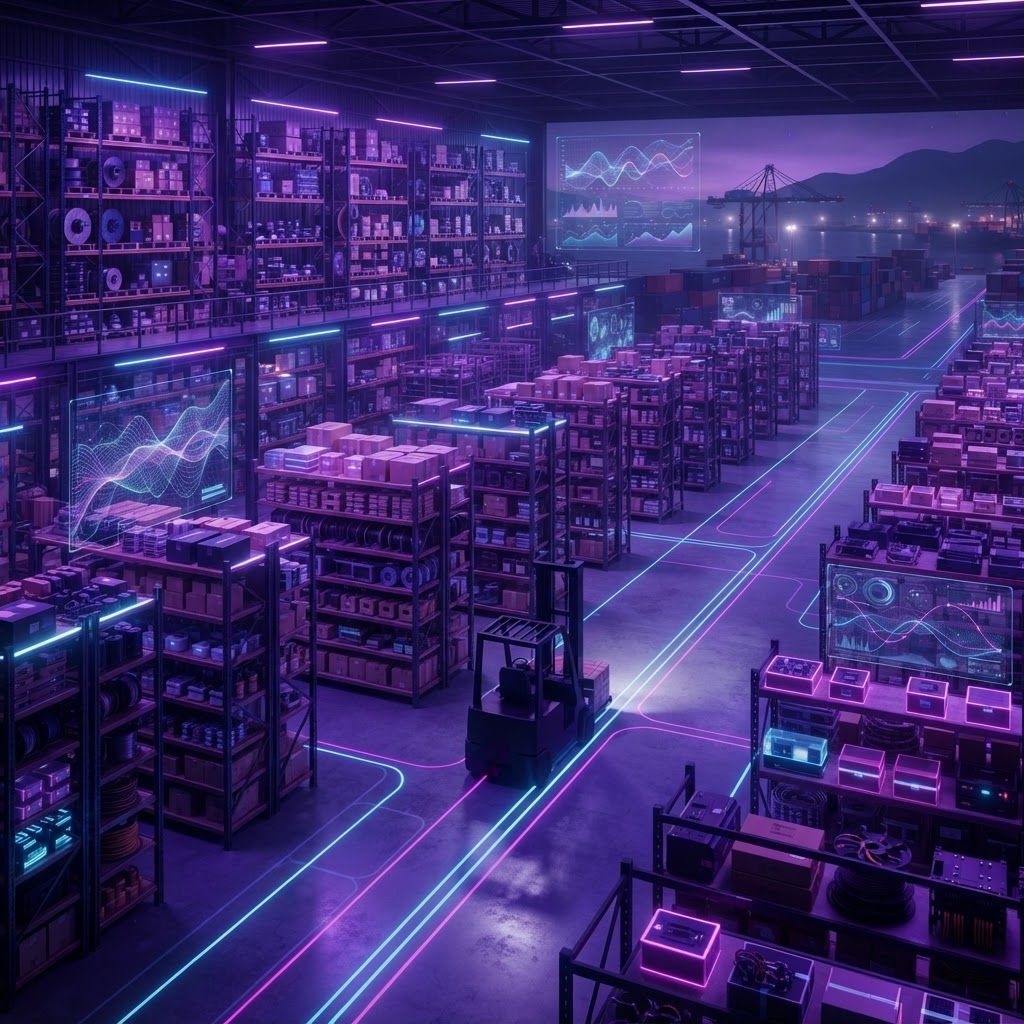
Electronics distribution is a logistics business as much as a technology business, and Tacoma's geography suits it well. The Port of Tacoma handles substantial container volume from Asian manufacturing centers, the I-5 corridor connects Portland to the Canadian border, rail intermodal facilities sit within the industrial core, and warehouse space has historically been more attainable here than in Seattle or the Eastside. Distributors that stock inventory need exactly that combination of import access, highway reach, and affordable square footage.
Demand is equally well matched. The surrounding region hosts aerospace suppliers, medical device firms, marine electronics installers, industrial automation integrators, commercial security and low-voltage contractors, broadcast and audiovisual companies, military installations, utilities, and a long tail of independent repair shops and resellers. Each buys electronics through wholesale channels rather than retail.
The Distinct Types of Electronics Wholesaler
Component distributors supply semiconductors, passives, connectors, relays, and electromechanical parts to engineers and contract manufacturers. Success here depends on breadth of catalog, datasheet access, and lot traceability. Industrial and automation distributors carry PLCs, drives, sensors, motor controls, enclosures, wire, and cable, and typically provide meaningful application engineering support. Low-voltage and security distributors serve installers with cameras, access control, structured cabling, network switches, intercom, and fire alarm devices. Audiovisual and broadcast distributors supply displays, projectors, mounts, audio equipment, and signal management to integrators. Consumer electronics wholesalers move phones, accessories, computers, and peripherals to retailers and repair shops. Electronic surplus and excess inventory dealers handle obsolete, end-of-life, and hard-to-find parts, an important niche when a production line depends on a discontinued component.
These categories rarely overlap much. A security installer and a design engineer will use entirely different suppliers even though both are buying electronics.
Counterfeit Risk and Authorized Sourcing
No topic matters more in electronics distribution. Counterfeit and substandard components are a persistent global problem, and the consequences range from field failures to safety hazards. The most important question a buyer can ask is whether the distributor is franchised or authorized by the manufacturers whose products it sells. Authorized distributors receive product directly from the manufacturer with unbroken chain of custody and full warranty support.
Independent distributors serve a legitimate and often essential role, particularly for obsolete parts and allocation shortages, but they require greater diligence. Reputable independents maintain documented inspection processes, in-house testing, decapsulation or X-ray capability for high-risk parts, and quality certifications such as AS6081 or AS9120 that specifically address counterfeit avoidance. Ask what testing is performed, whether reports are provided, and what the return policy is if parts fail incoming inspection.
For any safety-critical or regulated application, insist on traceability documentation back to the original manufacturer. A distributor unwilling or unable to provide it should be avoided for that class of work.
What Strong Distributors Actually Provide
Inventory availability is the baseline expectation, but the real value is in the surrounding services. Technical support from staff who can help select a sensor, size a drive, or recommend a connector series saves engineering hours. Value-added services such as cable assembly, wire cutting and stripping, kitting, enclosure modification, panel building, and programming turn a parts supplier into a subassembly partner. Inventory programs including consignment, bonded stock, scheduled releases, and vendor-managed inventory reduce customer working capital and stockout risk.
Local stock and will-call counters carry disproportionate value in this business. A security contractor who can pick up a replacement camera the same morning avoids a return trip and a frustrated client. Distributors maintaining genuine local inventory rather than drop-shipping from distant warehouses win repeat business for exactly this reason.
Digital capability now separates leaders as well. Real-time inventory visibility, parametric search, order tracking, purchase history, quoting tools, and integration with customer purchasing systems have become expectations rather than differentiators.
Supply Chain Lessons the Industry Absorbed
The component shortages of recent years changed purchasing behavior permanently. Buyers learned to look beyond unit price toward supply assurance. Distributors responded by holding deeper safety stock on critical items, offering longer-horizon scheduled orders, providing lifecycle and obsolescence alerts, and helping customers qualify alternate parts before a crisis forces the decision.
For buyers, the practical lesson is to build relationships before they are needed. Distributors allocate scarce inventory to established customers with predictable forecasts, not to spot buyers. Sharing a realistic forecast, even an imperfect one, materially improves service levels.
Evaluating a Wholesaler
Start with authorization status for the lines that matter. Then assess local inventory: ask what percentage of typical orders ship from regional stock and what the cutoff time is for same-day shipment. Confirm whether will-call pickup is available and during what hours.
Evaluate the people. Electronics distribution runs on inside sales and application engineering relationships. A distributor that assigns a knowledgeable account representative who understands the customer's products will outperform a faceless portal, particularly when something goes wrong.
Understand pricing structure. Volume tiers, contract pricing, registered project pricing, and freight policies vary widely. For installers, project registration can be the difference between winning and losing a bid.
Review returns and warranty handling explicitly. Defective electronics are inevitable. A distributor that processes advance replacements quickly saves its customers far more than a small price advantage.
Finally, check financial and operational stability. Distributors carry substantial inventory and extend credit. A supplier under financial strain reduces stock and lengthens lead times, often without warning.
The Outlook for South Sound Distribution
Several forces favor the Tacoma distribution base. Continued industrial automation investment drives controls demand. Building electrification and energy management expand sensor and control markets. Security and networked video keep growing across commercial and municipal facilities. Regional aerospace and medical manufacturing sustain component demand with high documentation requirements that reward capable distributors.
Consolidation will continue at the national level, but regional distributors with genuine technical expertise, real local inventory, and value-added services remain difficult to displace. For buyers throughout Pierce County, the most effective approach is to concentrate purchasing with a small number of well-chosen partners, share forecasts honestly, and evaluate suppliers on total delivered performance rather than on the lowest quoted price for a single line item.