
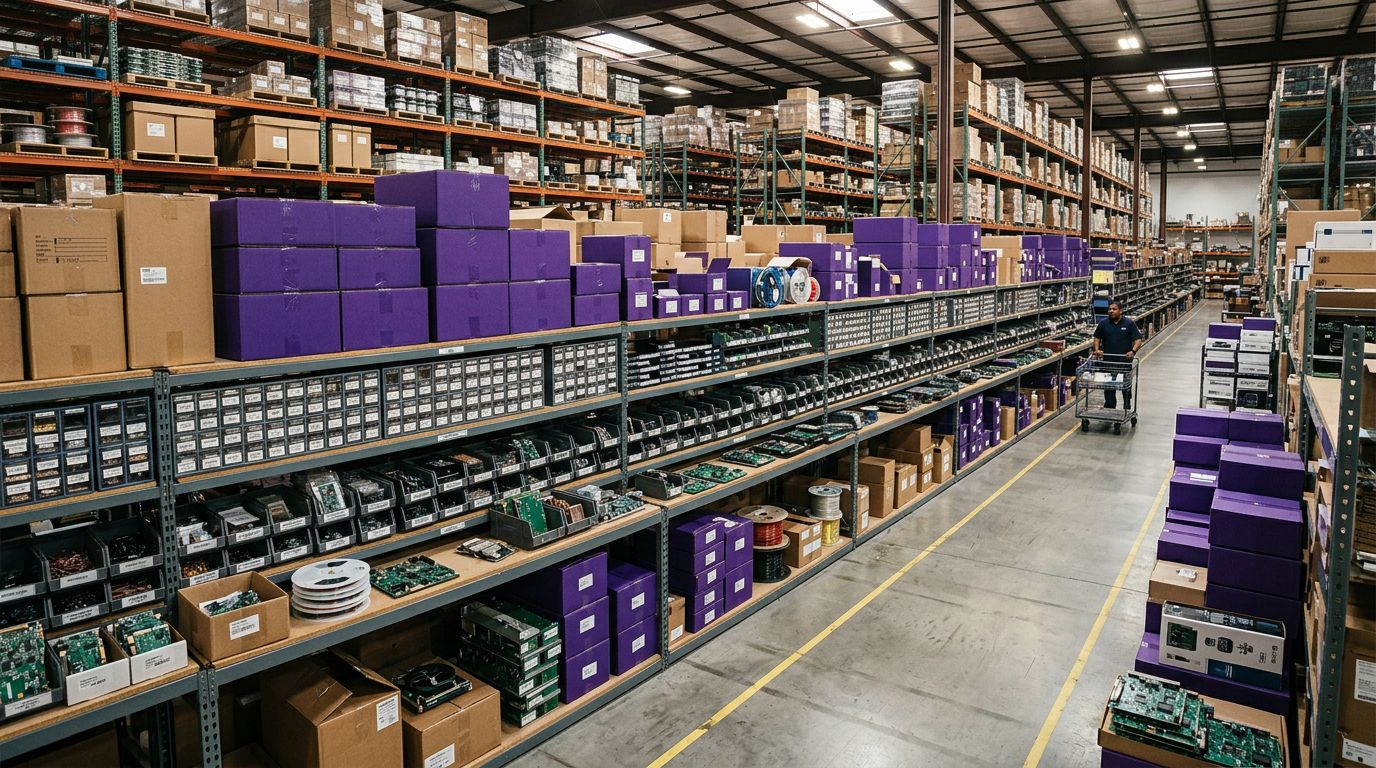
Wholesale electronics for the Dayton market
Engineers, repair shops, schools, and manufacturers need dependable access to semiconductors, connectors, passives, power supplies, cables, and tools. A wholesaler may offer local pickup and hands-on service, while a global distributor can provide broader inventory, traceability, and logistics. The right supplier depends on whether the purchase is a one-off prototype, a maintenance replacement, or a production program with strict change-control requirements.
Distributors to compare
Dayton-area buyers may evaluate Mouser Electronics, DigiKey, Newark, Arrow Electronics, Avnet, TTI, RS, Sager Electronics, Future Electronics, and Allied Electronics & Automation. These are primarily broad or specialist distributors rather than a claim that every company has a Dayton storefront. Check shipping options and service availability for your location. For immediate needs, local electronics and industrial-supply shops can be useful, but confirm whether components are sourced through authorized channels and whether documentation accompanies the parts.
Protect quality and production continuity
For critical components, request manufacturer traceability, lot codes, certificates where available, and clear return procedures. Counterfeit or mishandled parts can create failures that are expensive to diagnose. Ask whether inventory is in stock, allocated, backordered, or available through a marketplace seller. Review moisture-sensitive packaging, date codes, storage conditions, and handling requirements for sensitive devices. Production buyers should confirm lifecycle status, approved alternates, minimum order quantities, and whether the supplier can support scheduled releases against a forecast.
Compare the full purchasing experience
Price matters, but so do search tools, technical documentation, customer support, delivery accuracy, and export controls. A local relationship can help with urgent replacement parts and practical troubleshooting, while a national distributor may offer volume pricing and deeper supply-chain visibility. Dayton companies should consolidate approved suppliers where doing so improves traceability without creating single-source risk. Keep records of part numbers and approved substitutions. This guide is a comparison starting point, not a verified local ranking. Confirm current availability, authorized status, and delivery terms before placing an order.
Understanding the local market
Dayton’s regional economy rewards providers that understand both the local operating environment and the requirements of the work. Electronics distribution supports manufacturers, repair teams, integrators, and institutional buyers. Buyers should look for practical familiarity with regional customers, suppliers, regulations, and delivery patterns rather than assume that a broad service list proves local fit. A thoughtful shortlist begins with the intended outcome, the constraints that cannot change, and the areas where flexibility is possible. This context helps make comparisons more meaningful and keeps a search focused on relevant capabilities.
Matching the provider to the need
Before comparing names, define the assignment in enough detail that each candidate can respond to the same requirements. A wholesaler’s value can include authorized sourcing, inventory access, technical help, and consolidated fulfillment. Ask candidates to explain the people, process, and resources they would assign, including how they handle unusual requests or schedule changes. Strong providers make tradeoffs visible and distinguish what is confirmed from what still needs investigation. That clarity is useful whether the buyer is an individual, a growing company, or an established organization with several stakeholders.
How to compare quality and capability
Capability is best assessed through evidence tied to the work, not polished general claims. Compare product authenticity controls, traceability, stock accuracy, order flexibility, and return handling. Request examples of comparable work, sample documentation where appropriate, and an explanation of how quality is checked at each important handoff. References and case examples should illuminate the provider’s role and approach without disclosing another customer’s confidential information. Consistent methods, clear accountability, and a willingness to discuss limitations are meaningful signals of dependable performance.
Looking beyond the quoted price
The lowest initial quote does not always represent the best long-term value. Assess landed price alongside minimums, freight, lead times, warranty support, and shortage alternatives. Ask each provider to separate included work from optional services, assumptions, pass-through expenses, and conditions that could change the estimate. A useful comparison considers the cost of rework, delays, administration, and ongoing support as well as the direct purchase price. When scope is uncertain, staged commitments and written decision points can reduce surprises while preserving room to adapt as new facts emerge.
Technology and changing expectations
Industry changes are creating new ways to improve efficiency, consistency, and customer experience, but tools alone do not guarantee better results. Supply-chain visibility and lifecycle data help buyers plan around component changes and allocation. Evaluate whether proposed technology or process improvements solve a demonstrated need, fit existing systems, and can be supported by the people who will use them. Ask how data is protected, how exceptions are handled, and what happens when a system or supplier is unavailable. Practical innovation should make outcomes easier to measure, not make the underlying process harder to understand.
Managing risk and continuity
A strong selection process also considers what could interrupt service or create an unexpected obligation. Counterfeit parts, obsolete stock, uncertain substitutions, and inaccurate availability can create costly interruptions. Identify the most consequential risks early, then ask how the provider detects issues, communicates changes, and restores normal operations. Written terms should clarify responsibilities, insurance or warranty coverage where relevant, escalation paths, records, and exit options. Contingency planning is not pessimism; it helps both sides respond calmly when schedules, demand, regulations, or operating conditions change.
A practical decision process
Use a consistent final review before making a commitment. Ask for chain-of-custody documentation, date-code policies, and approval before any alternate component is shipped. Summarize the required outcome, compare each candidate against the same criteria, verify any licenses or credentials that apply, and read the final scope carefully. Record open questions and resolve them in writing rather than relying on assumptions made during an introductory conversation. A clear decision should explain why the selected provider fits the work, how success will be assessed, and what the next review point will be. The best choice is the one supported by evidence and a workable relationship.