
Why Local Electronics Retail Still Matters
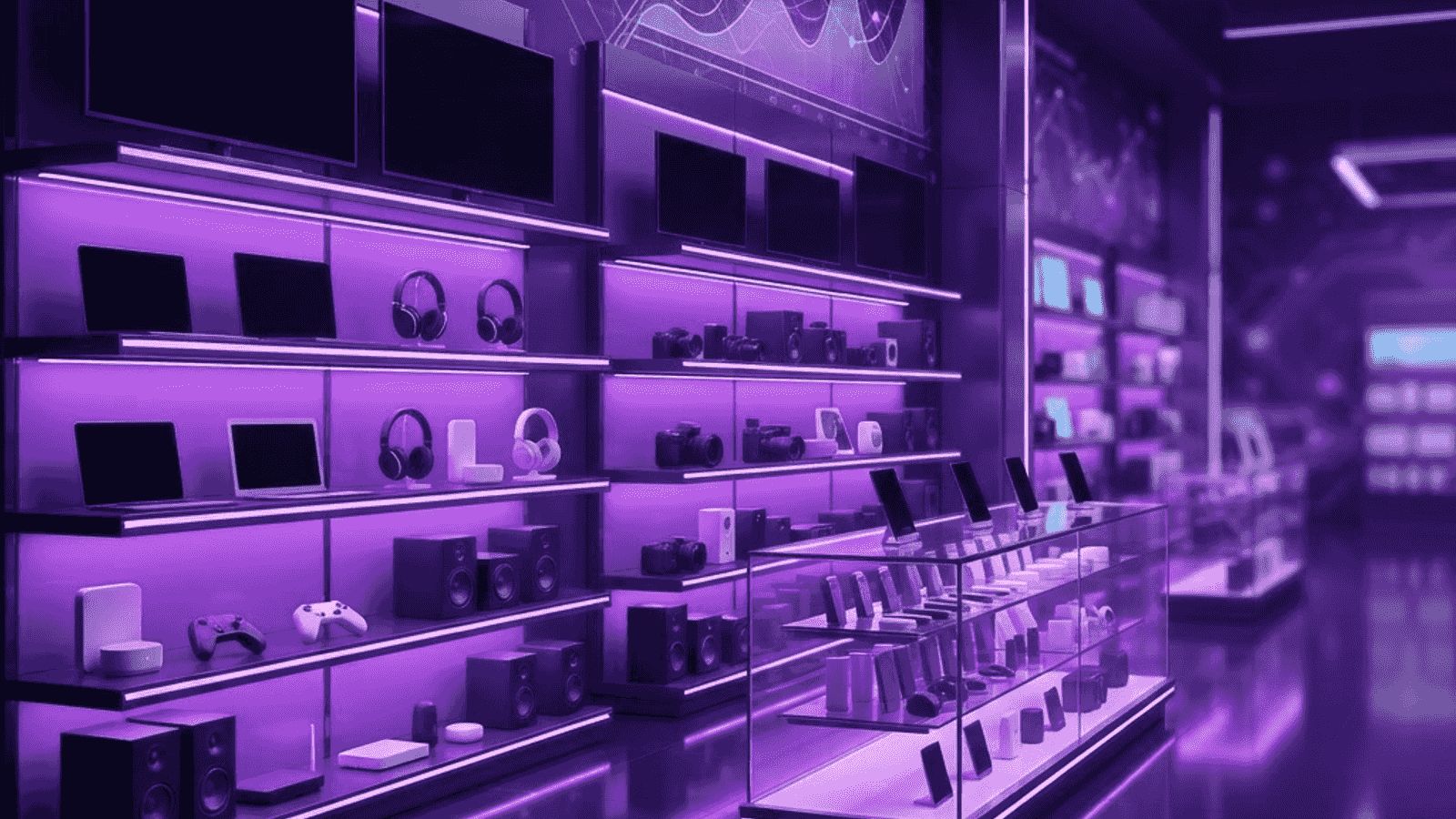
Online shopping captured an enormous share of electronics sales, yet local retail in Cincinnati remains genuinely useful for specific purchases. Anything where you need to see, hear or handle the product benefits from in-person evaluation, and televisions, speakers, headphones, keyboards, cameras and monitors all fall into that category. Local buying also solves the problems online cannot: immediate availability, straightforward returns, professional installation and someone accountable when something fails.
Cincinnati supports a diverse electronics retail landscape. National big-box chains provide breadth, specialty audio and video dealers provide expertise and calibration, computer builders provide custom configuration, repair shops extend device life, and secondhand outlets serve budget buyers and vintage enthusiasts. Understanding which type suits your purchase saves both money and frustration.
The Top 10 Electronics Stores in Cincinnati
1. National Big Box Electronics Retailers
Large chain retailers offer the widest general assortment across televisions, laptops, appliances, audio, gaming and accessories, with the advantage of immediate availability and in-store returns. Price matching policies often close the gap with online sellers. They also provide installation and technical service programs, which appeal to buyers who prefer not to self-install.
2. Specialty Home Audio and Video Dealers
Specialty dealers sell higher-end audio and video equipment with demonstration rooms where products can actually be evaluated by ear and eye. Their expertise covers room acoustics, speaker matching, amplification and display calibration. For serious audio purchases, listening before buying is not optional, and no online spec sheet substitutes for it.
3. Custom Computer Builders and Component Retailers
These stores sell components and assemble custom desktops for gaming, content creation and professional workstations. Buyers gain component-level control and a local relationship for upgrades and troubleshooting. Build quality including cable management and thermal design directly affects longevity and noise.
4. Camera and Photography Equipment Stores
Photography retailers stock cameras, lenses, lighting and support gear, with staff able to explain practical differences between systems. Handling a camera body before purchase reveals ergonomic factors that specifications never convey. Many also rent equipment, which lets buyers test expensive lenses before committing.
5. Device Repair Specialists
Repair shops handling phones, tablets, laptops and game consoles keep devices working long past the point manufacturers encourage replacement. Screen replacement, battery service, port repair and data recovery are common services. Repair quality varies significantly, so ask about part sourcing and warranty on the work performed.
6. Musical Instrument and Pro Audio Retailers
Serving musicians, podcasters and content creators, these stores sell audio interfaces, microphones, monitors, mixers and instruments. Staff typically have practical production experience, which produces better recommendations than generic retail. Testing microphones and monitors in person is particularly valuable given how differently they behave in practice.
7. Refurbished and Open Box Electronics Outlets
Refurbished retail offers significant savings on laptops, phones, televisions and peripherals that have been tested and restored. Value depends entirely on the refurbisher's standards and warranty terms. For business buyers needing multiple machines, quality refurbished enterprise hardware often outperforms new consumer equipment at the same price.
8. Secondhand and Vintage Electronics Shops
Vintage audio has a devoted following, and shops in this space sell restored receivers, turntables, speakers and tape equipment. Build quality in classic gear frequently exceeds modern equivalents at comparable prices. Buyers should confirm what has been serviced, particularly capacitor replacement in older amplifiers.
9. Smart Home and Security Technology Dealers
Specialists in this category sell and install smart lighting, thermostats, doorbells, cameras, network infrastructure and whole-home automation. Integration expertise matters because consumer smart devices interoperate inconsistently. Professional network design prevents the reliability problems that undermine most self-installed systems.
10. Electronics Parts and Hobbyist Supply Stores
Serving makers, repair technicians and engineering students, these stores stock components, tools, connectors, soldering supplies and prototyping boards. Immediate availability of a single needed part is genuinely valuable when a project or repair is stalled. Staff knowledge often extends to practical troubleshooting advice.
Warranty, Returns and Protection Plans
Understand the difference between manufacturer warranty and retailer protection plans. Manufacturer warranties cover defects for a defined period and typically require shipping the product. Retailer plans may add accidental damage coverage, in-store service or advance replacement, which has genuine value for portable devices but often less for stationary equipment.
Read the exclusions rather than the marketing summary. Many plans exclude the failure modes most likely to occur, or require deductibles that erode the benefit. Also check return windows carefully, since electronics return periods are frequently shorter than general merchandise and may carry restocking fees on opened items.
When Local Beats Online
Buy locally when you need to evaluate the product with your own senses, as with speakers, headphones, displays and cameras. Buy locally when you need the item immediately, when installation is involved, when returns are likely, or when the purchase is large enough that a hassle-free exchange has real value. Buy locally when ongoing support matters, as with custom computers or smart home systems.
Online purchasing makes sense for commodity accessories, well-understood replacement parts and items where price is the only meaningful variable. A practical hybrid approach is to evaluate in person, ask about price matching and buy from the store that will actually support you afterward.
Evaluating Refurbished Equipment
Ask who performed the refurbishment, since manufacturer-refurbished units typically meet stricter standards than third-party operations. Confirm what was tested and replaced, particularly batteries in laptops and phones, which degrade regardless of cosmetic condition. Establish warranty length and whether it covers parts and labor. Verify cosmetic grading definitions, since terminology varies widely between sellers.
For laptops specifically, check battery health status, verify that the operating system is properly licensed, confirm all ports function and ensure the previous owner's accounts and locks have been fully cleared. These simple checks eliminate the majority of refurbished purchase problems.
Trends in Electronics Retail
Repairability has gained legislative and consumer momentum, improving parts and manual availability. Refurbished and trade-in programs have grown into mainstream channels rather than clearance outlets. Specialty retail has strengthened by competing on expertise and experience rather than price. Meanwhile, smart home and networking equipment have become the fastest growing installed-service category as households add more connected devices than consumer routers were designed to handle.
Final Thoughts
Cincinnati's electronics retail landscape rewards matching the store type to the purchase. Evaluate audio and video in person, use specialty dealers when expertise matters, consider quality refurbished hardware for value, and read protection plan exclusions before buying one. The store that will help you six months from now is usually worth a small premium today.