
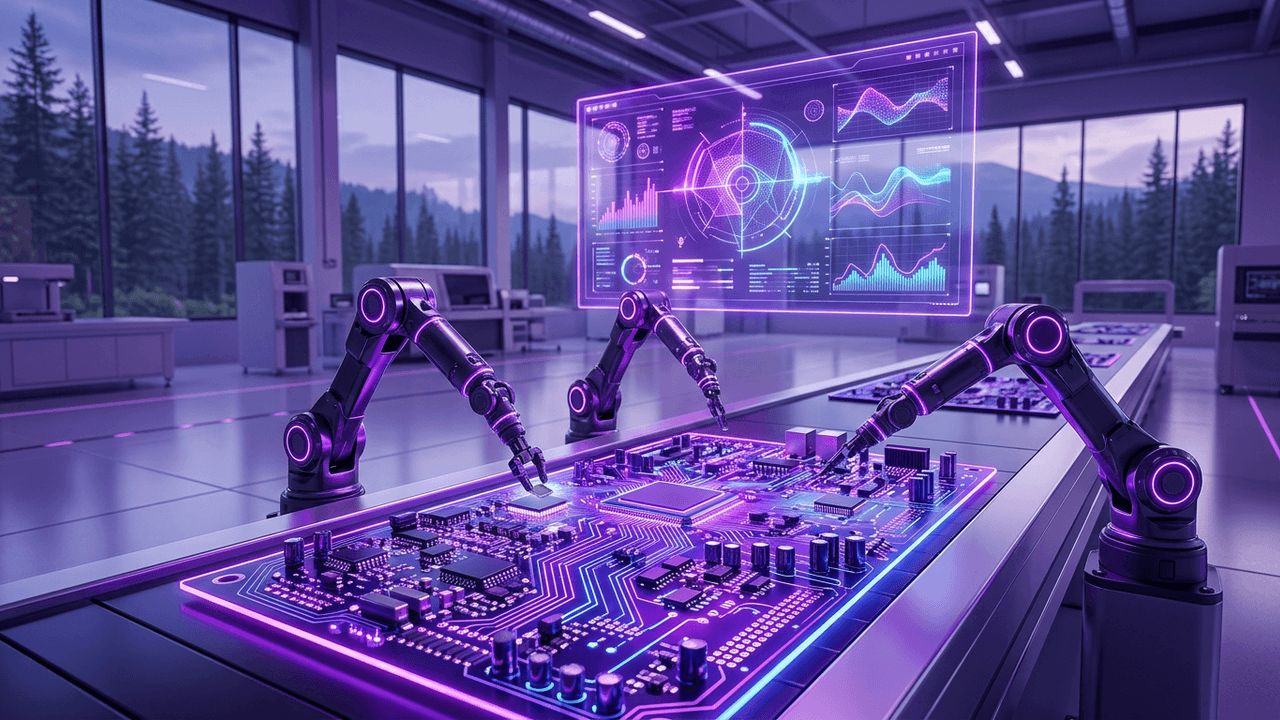
Electronics Manufacturing in Texas and Tyler
Texas has become one of the most important electronics and semiconductor manufacturing states in the country. From chip fabrication plants in Central and North Texas to contract electronics manufacturers serving aerospace, medical, and industrial markets, the state plays a vital role in the global technology supply chain. Tyler participates in this ecosystem through its industrial base, including major HVAC manufacturing that relies heavily on electronic controls and components.
Electronics manufacturing creates high-skill jobs and drives innovation in products ranging from smartphones to medical devices to smart home systems. Here are ten electronics manufacturers with significant influence in Tyler and throughout Texas.
The Top 10 Electronics Manufacturers in Tyler and Texas
1. Trane Technologies
Trane Technologies operates a major manufacturing facility in Tyler that produces residential heating and air conditioning systems. Modern HVAC equipment depends on advanced electronic controls, sensors, and smart thermostats, making this operation an important part of Tyler's technology-related manufacturing.
2. Texas Instruments
Texas Instruments, headquartered in Dallas, is one of the world's leading semiconductor companies. It designs and manufactures analog and embedded processing chips used in industrial, automotive, and consumer electronics, and it continues to expand chip manufacturing in Texas.
3. Samsung Austin Semiconductor
Samsung's semiconductor operations in Texas produce advanced chips and represent one of the largest manufacturing investments in the state. Its expansion strengthens Texas's position in the global semiconductor industry.
4. Diodes Incorporated
Diodes Incorporated, headquartered in Plano, manufactures discrete, analog, and mixed-signal semiconductors. Its components are used in computing, automotive, industrial, and consumer electronics.
5. GlobalWafers
GlobalWafers has built a silicon wafer manufacturing facility in Sherman, Texas. Silicon wafers are the foundation of semiconductor production, making this operation a key part of the domestic chip supply chain.
6. Jabil
Jabil is a global contract electronics manufacturer that produces components and products for healthcare, automotive, and consumer markets. Its Texas operations support complex manufacturing and supply chain services.
7. Flex
Flex provides design, manufacturing, and supply chain solutions for electronics across many industries. Its Texas facilities serve customers in data centers, healthcare, and industrial technology.
8. Sanmina
Sanmina manufactures complex electronic systems for communications, medical, defense, and industrial markets. Its precision manufacturing capabilities support high-reliability products.
9. Benchmark Electronics
Benchmark Electronics offers engineering, design, and manufacturing services for industries including aerospace, medical, and semiconductor capital equipment. Its focus on high-reliability products aligns with demanding applications.
10. Plexus
Plexus provides product design, manufacturing, and aftermarket services for healthcare, industrial, and aerospace customers. It is known for complex, low-volume, high-mix electronics manufacturing.
Electronics Manufacturing Trends
Semiconductor reshoring has become a national priority, and Texas has attracted substantial investment in new chip and wafer facilities. Automation, robotics, and artificial intelligence are transforming factory floors, improving quality and productivity. Smart products, including connected HVAC systems and home automation devices, are increasing demand for embedded electronics.
Workforce development is critical to sustaining this growth. Community colleges and universities across Texas, including institutions in the Tyler area, are expanding programs in engineering, industrial technology, and advanced manufacturing to prepare workers for these careers.
Opportunities for Tyler
Tyler's central location, access to Interstate 20, and growing workforce make it attractive for manufacturing investment. Suppliers, distributors, and service companies that support electronics and industrial manufacturers can find opportunities in the region. Local economic development organizations actively work to attract advanced manufacturing projects.
How to Evaluate Electronics Manufacturers
- Capabilities: Consider design, prototyping, production volume, and testing services.
- Quality certifications: Look for industry certifications relevant to medical, aerospace, or automotive products.
- Supply chain strength: Reliable sourcing reduces delays and component shortages.
- Technology: Advanced automation and inspection tools improve consistency.
- Location: Domestic and regional manufacturing can shorten lead times.
Frequently Asked Questions
Why is Texas attracting so much semiconductor investment?
Texas offers a large skilled workforce, established semiconductor companies, available land, business-friendly policies, and strong university engineering programs. Federal incentives for domestic chip production have further accelerated investment.
What skills are needed for electronics manufacturing careers?
Employers seek technicians with skills in electronics, automation, robotics, and quality control, along with engineers in electrical, mechanical, and industrial disciplines. Many roles are accessible through community college certificates and associate degrees.
How do HVAC systems relate to electronics manufacturing?
Modern heating and cooling systems rely on circuit boards, variable-speed motor controls, sensors, and connected thermostats. Manufacturing these systems requires close integration of mechanical and electronic components.
What is contract electronics manufacturing?
Contract manufacturers build electronic products and assemblies on behalf of other companies. They provide design support, component sourcing, assembly, and testing, allowing brands to scale without building their own factories.
Can small Tyler companies partner with electronics manufacturers?
Yes. Local machine shops, logistics firms, packaging suppliers, and engineering services can become valuable partners in the manufacturing supply chain, especially as regional manufacturing continues to grow.
Final Thoughts
Electronics manufacturing is a driving force in the Texas economy, and Tyler is connected to this growth through its industrial base and workforce. The companies on this list represent the innovation, scale, and expertise that make Texas a technology manufacturing leader. As investment continues, Tyler is well positioned to benefit from the expanding electronics industry.