
Electronics and the Tuscaloosa Economy
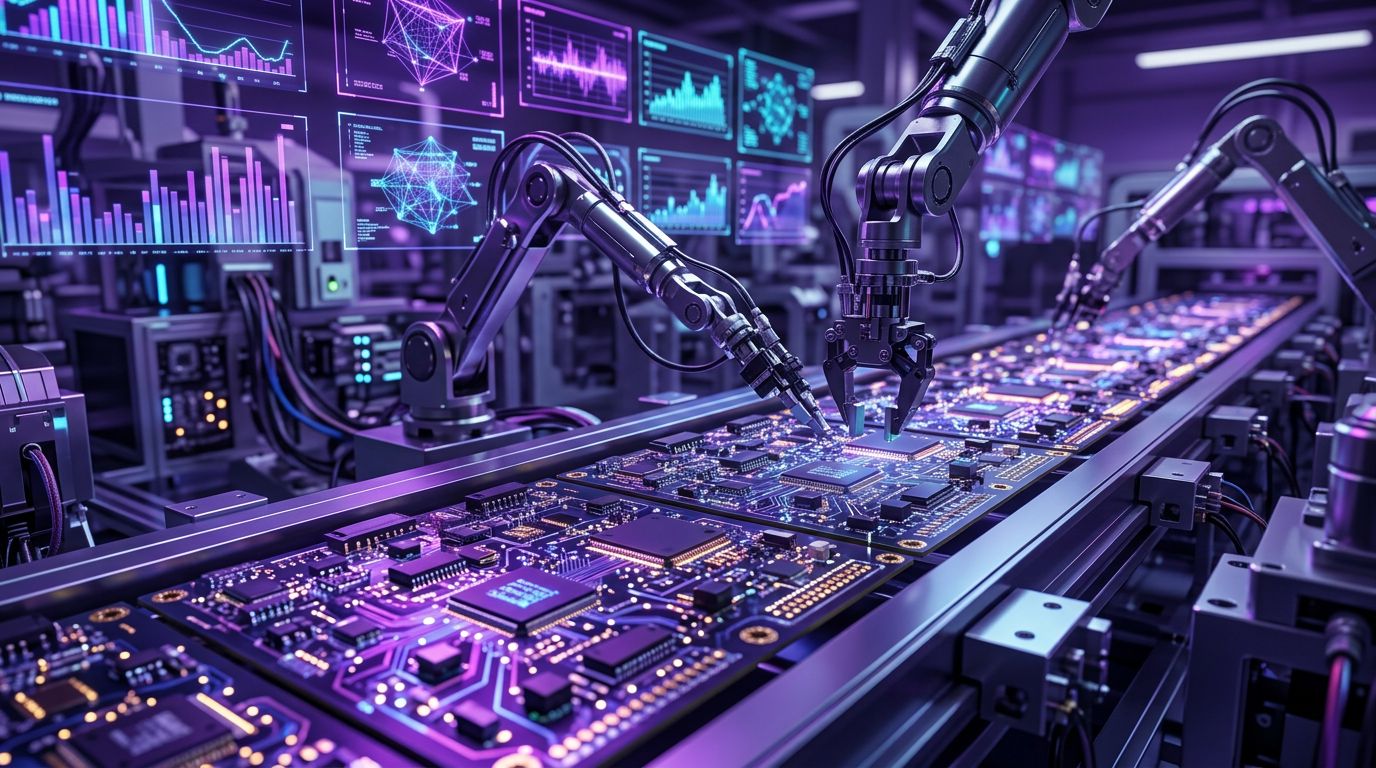
When people think of Tuscaloosa industry, they usually picture vehicle assembly lines and steel mills. Yet modern vehicles and factories are as dependent on electronics as they are on metal. Every SUV built in the region carries dozens of electronic control units, sensors, displays, and wiring systems. Smart factories use programmable controllers, vision systems, and connected machines. As a result, electronics manufacturers have become essential partners for the West Alabama economy.
Alabama also benefits from a strong electronics and aerospace cluster centered in Huntsville, which supplies engineering talent and contract manufacturing capacity to the rest of the state. The University of Alabama's engineering programs add research in sensors, embedded systems, and advanced materials. Below are ten electronics manufacturers that play an important role for Tuscaloosa businesses.
1. ADTRAN
ADTRAN is headquartered in Huntsville and designs networking and telecommunications equipment, including fiber broadband access platforms. As internet providers expand fiber service in Tuscaloosa neighborhoods and rural areas, ADTRAN equipment often forms part of the network backbone. The company is known for strong engineering and a long history in Alabama.
2. Sanmina
Sanmina is a global electronics manufacturing services provider with significant operations in Huntsville. It builds complex printed circuit board assemblies and systems for industries including automotive, medical, communications, and defense. Its in-state presence allows Alabama companies to work with a world-class contract manufacturer close to home.
3. Benchmark Electronics
Benchmark Electronics offers design, engineering, and manufacturing services for high-reliability electronics. Its Alabama operations serve aerospace, defense, and industrial customers. Companies developing new products appreciate Benchmark's ability to support everything from prototypes to full-scale production.
4. Continental
Continental is a leading global automotive technology supplier producing sensors, braking electronics, and vehicle connectivity systems. Its components are integral to modern safety features such as adaptive cruise control and electronic stability control, technologies built into vehicles assembled near Tuscaloosa.
5. Bosch
Bosch develops and manufactures automotive electronics, industrial automation equipment, and power tools. Its driver assistance systems, electronic control units, and sensors appear in many vehicles produced in the Southeast. Bosch is also a major supplier of factory automation solutions used by regional manufacturers.
6. Lear Corporation
Lear is widely known for automotive seating, but its E-Systems division produces wiring harnesses, connection systems, and electronic modules. These components are essential for power distribution in modern vehicles, including electric and hybrid models. Lear has a long-standing presence in Alabama's automotive supply chain.
7. Hyundai Mobis
Hyundai Mobis produces cockpit modules, chassis modules, and electronic components for Hyundai and Kia vehicles. Its Alabama operations near Montgomery make it one of the state's notable automotive electronics producers, contributing to the dense supplier network that connects Tuscaloosa, Montgomery, and other assembly centers.
8. Teledyne Brown Engineering
Teledyne Brown Engineering, based in Huntsville, provides engineering and manufacturing for space, defense, and energy applications. Its work in precision electronics and systems integration demonstrates the advanced capabilities available within Alabama, and it often partners with universities and research institutions in the state.
9. Collins Aerospace
Collins Aerospace manufactures avionics, communication systems, and electronic controls for aircraft and defense platforms. Its Alabama facilities contribute to the state's aerospace electronics base, offering skilled careers for engineering graduates from Tuscaloosa and beyond.
10. Siemens
Siemens supplies programmable logic controllers, drives, industrial software, and electrical distribution equipment to factories across the region. Automotive suppliers and process plants in Tuscaloosa use Siemens automation platforms to monitor production, improve quality, and connect machines to data systems.
How to Evaluate an Electronics Manufacturer
Companies sourcing electronics should consider quality certifications such as automotive and aerospace standards, traceability of components, and testing capabilities including in-circuit and functional testing. Supply chain resilience has become a major concern since the semiconductor shortages of recent years, so buyers should ask about component sourcing strategies and inventory buffers. Engineering support, design for manufacturability reviews, and responsiveness to engineering changes are also key differentiators.
Trends Driving Electronics Demand
Vehicle electrification is the biggest driver of electronics growth in the region. Battery management systems, power electronics, and charging hardware require new manufacturing capacity. Industrial automation is also expanding as factories adopt robotics, machine vision, and predictive maintenance sensors. Rural broadband expansion across West Alabama increases demand for networking hardware. Together, these trends position electronics as one of the most important supporting industries for Tuscaloosa's future.
Building a Local Electronics Talent Pipeline
One of the biggest advantages for electronics manufacturers working with Tuscaloosa companies is access to a growing talent pool. The University of Alabama graduates electrical, computer, and mechanical engineers every semester, many of whom prefer to stay in the state. Shelton State Community College and statewide workforce programs train technicians in mechatronics, industrial maintenance, and soldering. Manufacturers that partner with these institutions through internships, co-op programs, and sponsored research gain early access to skilled workers and fresh ideas. For buyers, this means suppliers with strong regional workforce ties are more likely to maintain quality and responsiveness over the long term, even as competition for engineering talent intensifies across the Southeast.
Conclusion
Electronics manufacturing connects nearly every major industry in Tuscaloosa, from vehicle assembly to fiber internet. Alabama-based firms such as ADTRAN, Sanmina, and Benchmark provide local capability, while global suppliers like Continental, Bosch, and Siemens bring advanced technology to regional factories. Businesses that understand this landscape can build stronger supply chains and take full advantage of the state's growing technology ecosystem.